
You are currently browsing the tag archive for the ‘1963’ tag.
Director: Vladimír Šilhan
Release date: 1963
Rating: ★★★★
Review:
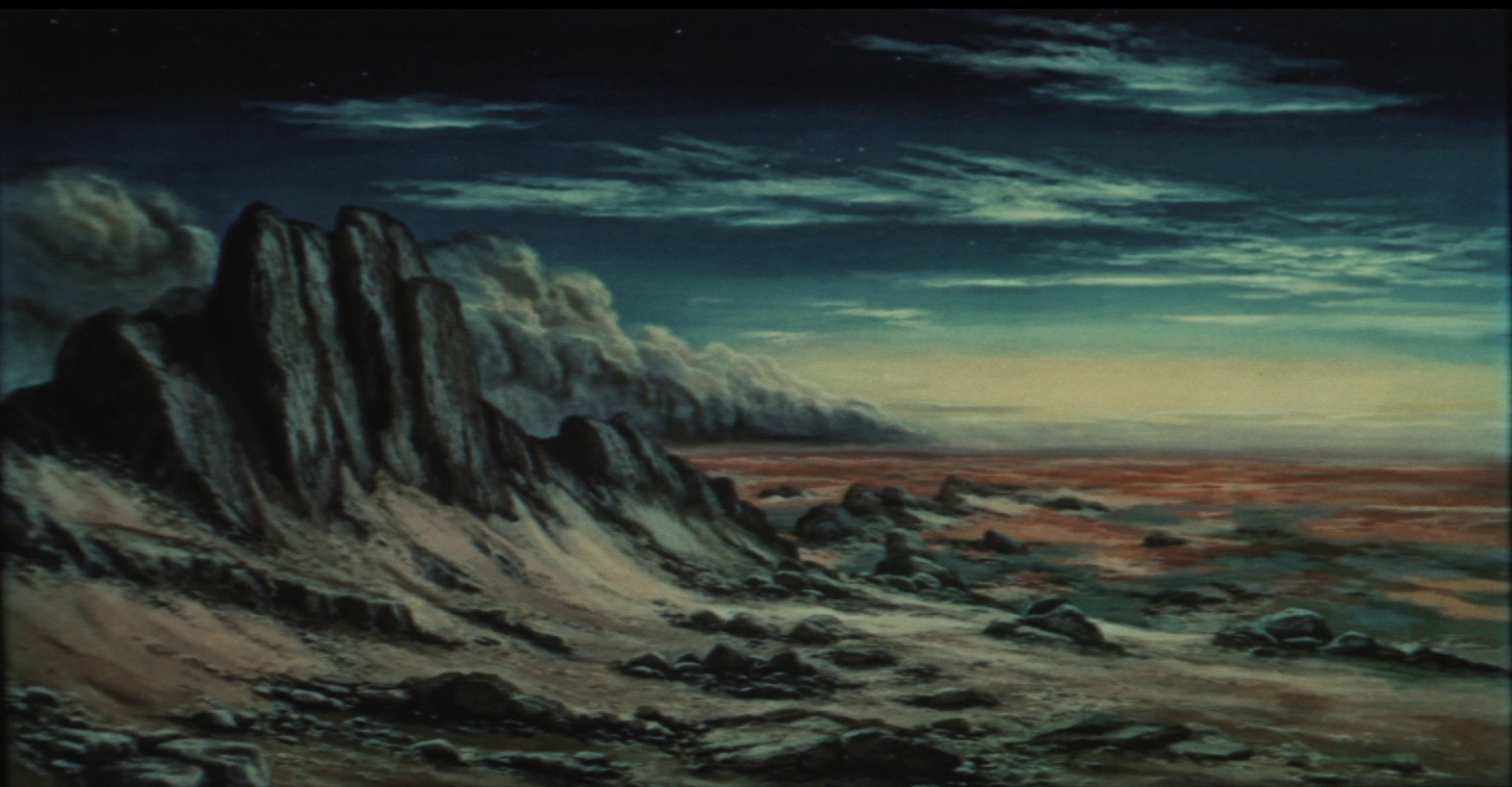
‘Hypotézy’ is a film on how landscapes would look like if we were on other planets.
We watch beautiful paintings of a hypothesized Mercury, Venus, Moon, Mars, Jupiter and Ganymede, Saturn and Titan, Uranus, Neptune and Pluto. Mars is shown as a planet with a possibility of life, while the moon sequence uses a little animation. The whole film is rather poetic and thoroughly enjoyable despite consisting of still images mostly.
Watch ‘Hypotézy’ (unfortunately Czech only) yourself and tell me what you think:
‘Hypotézy’ is available on the Blu-Ray of ‘Ikarie XB-1’
Director: Chuck Jones
Release date: December 28, 1963
Stars: Road Runner & Wile E. Coyote
Rating: ★★★★
Review:
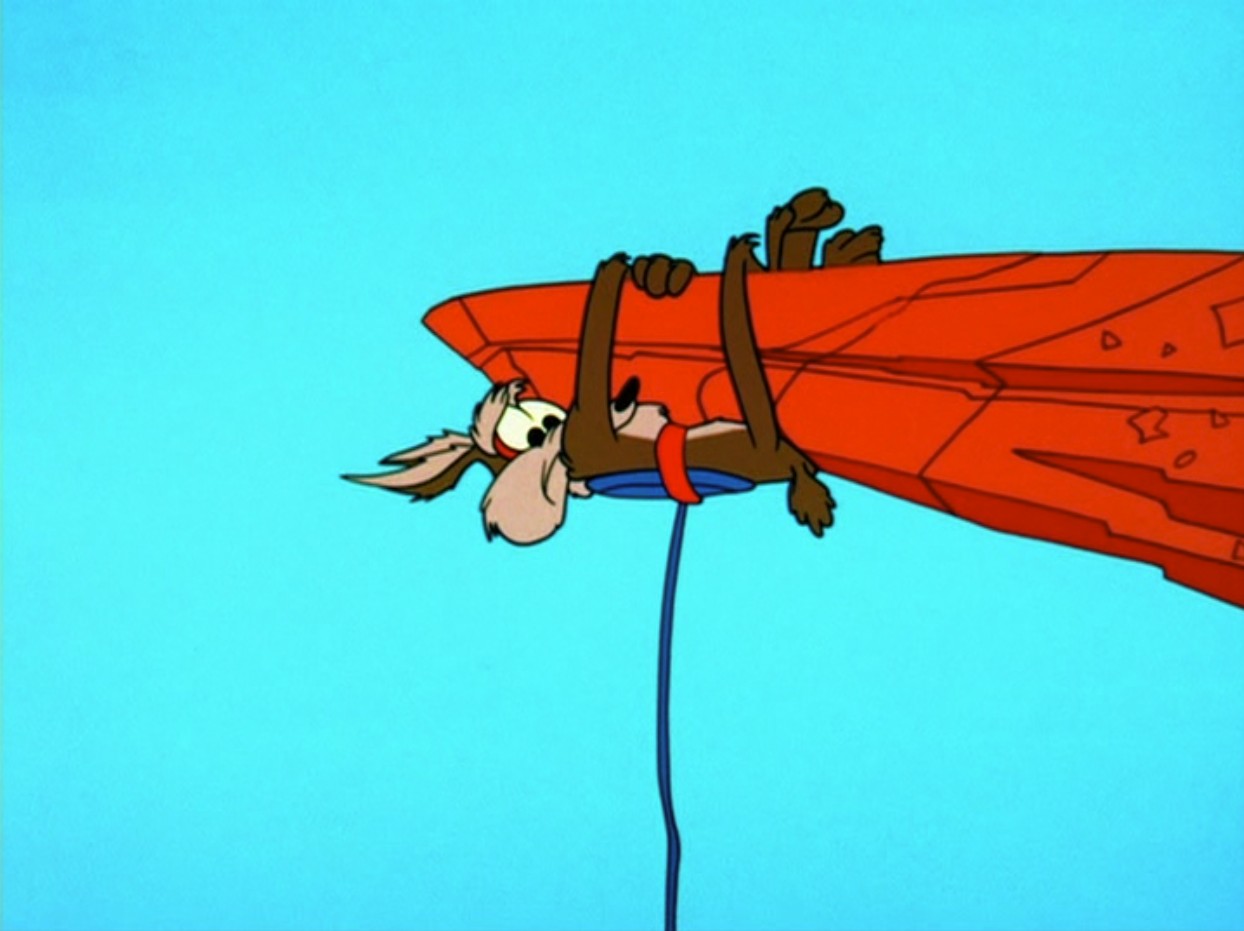
‘To Beep or not to Beep’ is a late, but fine entry in the Road Runner series, exemplifying Chuck Jones’ late, rather deft style.
The short is noteworthy for a string of gags that all use a large catapult, which of course, fails the coyote repeatedly. Apart from the catapult gags, the giant spring gag is a nice one. Note the extreme deformation of the coyote’s body when it gets caught in a telephone wire: the coyote’s eyes and feet stretch for several meters at that point.
The animation and background art are gorgeous throughout, and even Bill Lava’s music is apt.
Watch an excerpt from ‘To Beep or not to Beep’ yourself and tell me what you think:
‘To Beep or not to Beep’ is available on the DVD-set ‘Looney Tunes Golden Collection Volume Three’
Director: Chuck Jones
Release date: April 27, 1963
Rating: ★★★★
Review:
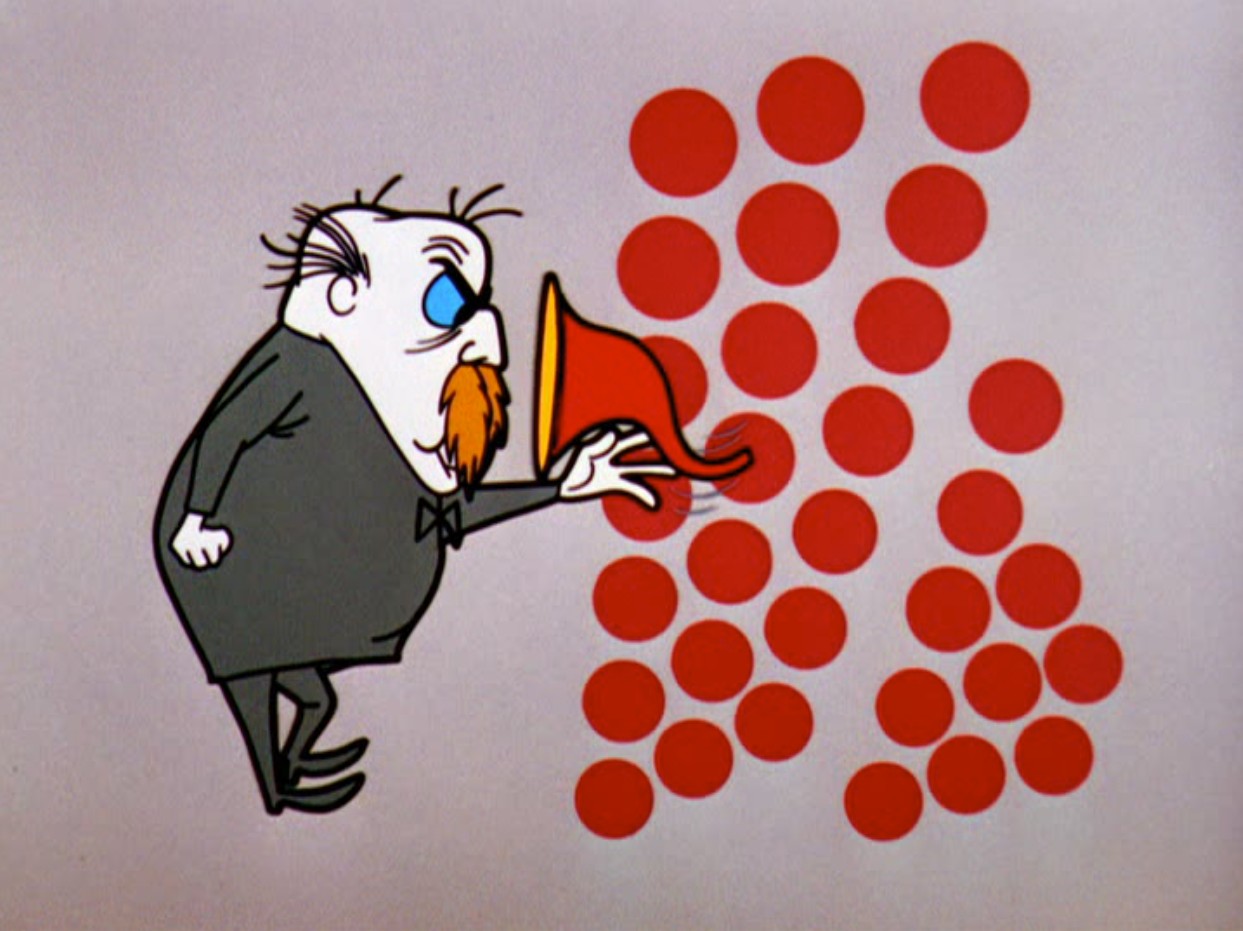
‘Now Hear This’ is a cartoon on sound. The film is one of the most original cartoons by a major studio of the 1960s, for its ultra-modern designs and idiosyncratic narrative. The film knows a stream-of-consciousness-like way of storytelling, exploiting an inner logic, but with only a dreamlike coherence.
In the film Chuck Jones and his crew only use monochrome backgrounds, with shapes, lines and typography emphasizing both the action and the emotional response. Only the three main characters (a devil, a deaf Briton and a small character dressed in pink) are drawn and animated traditionally, with the Briton being the audience’s connection to what happens on the screen.
Being a film on sound, sound effect man Tregg Brown goes berzerk in creating and combining the craziest sounds, from the decades-old ‘rubber band’ sound snippet to bizarre new sound effects accompanying lines, shapes and words. The result is as mesmerizing as it is rewarding in its originality. It’s striking that the studio could produce such an avant-garde film in its final days, which were mostly populated with much less inspired products.
Watch excerpts from ‘Now Hear This’ yourself and tell me what you think:
‘Now Hear This’ is available on the DVD-set ‘Looney Tunes Golden Collection Volume Six’
Director: Walerian Borowczyk
Release date: December 1963
Rating: ★★★★★ ♕
Review:
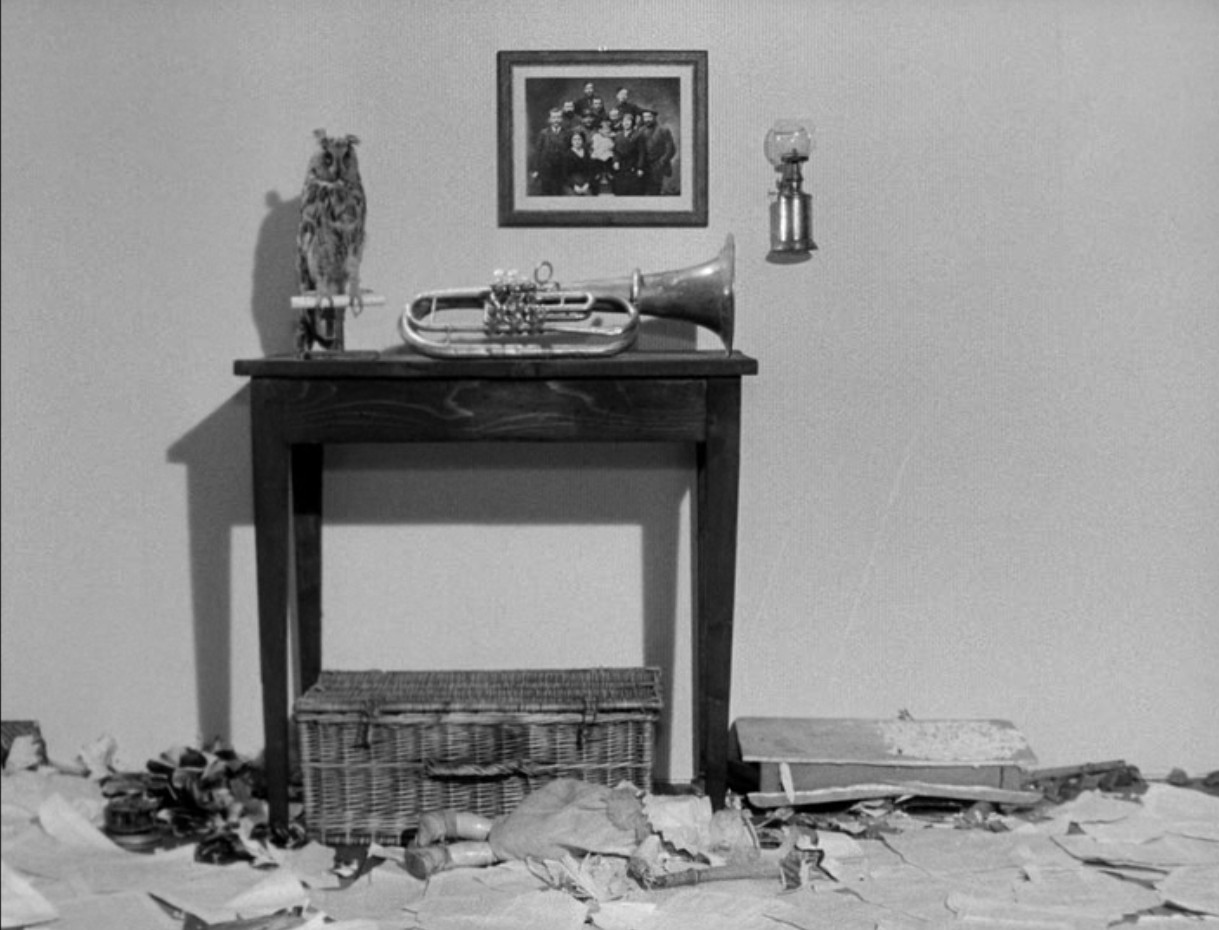
‘Renaissance’ must be counted among Walerian Borowczyk’s best and most powerful works. Instead of the silliness of ‘Les Astronautes‘ and ‘Encyclopédie de Grand-Maman‘, ‘Renaissance’ is a powerful stop-motion film on destruction.
The short starts bleak enough with the scene of a completely destroyed chamber. But then the objects in the room start to reassemble themselves…
Borowczyk’s command of stop-motion and reverse film making is astonishing, and although the tricks used are as old as cinema itself, these are used to an impressive effect, greatly enhanced by the soundtrack with all its crystal clear sounds. The whole surreal atmosphere looks forward to Jan Švankmajer’s stop-motion works, as does the morbid atmosphere.
Watch ‘Renaissance’ yourself and tell me what you think:
‘Renaissance’ is available on the Blu-Ray/DVD set ‘Walerian Borowczyk: Short Films and Animation’
Director: Walerian Borowczyk
Release date: June 1963
Rating: ★★★★
Review:
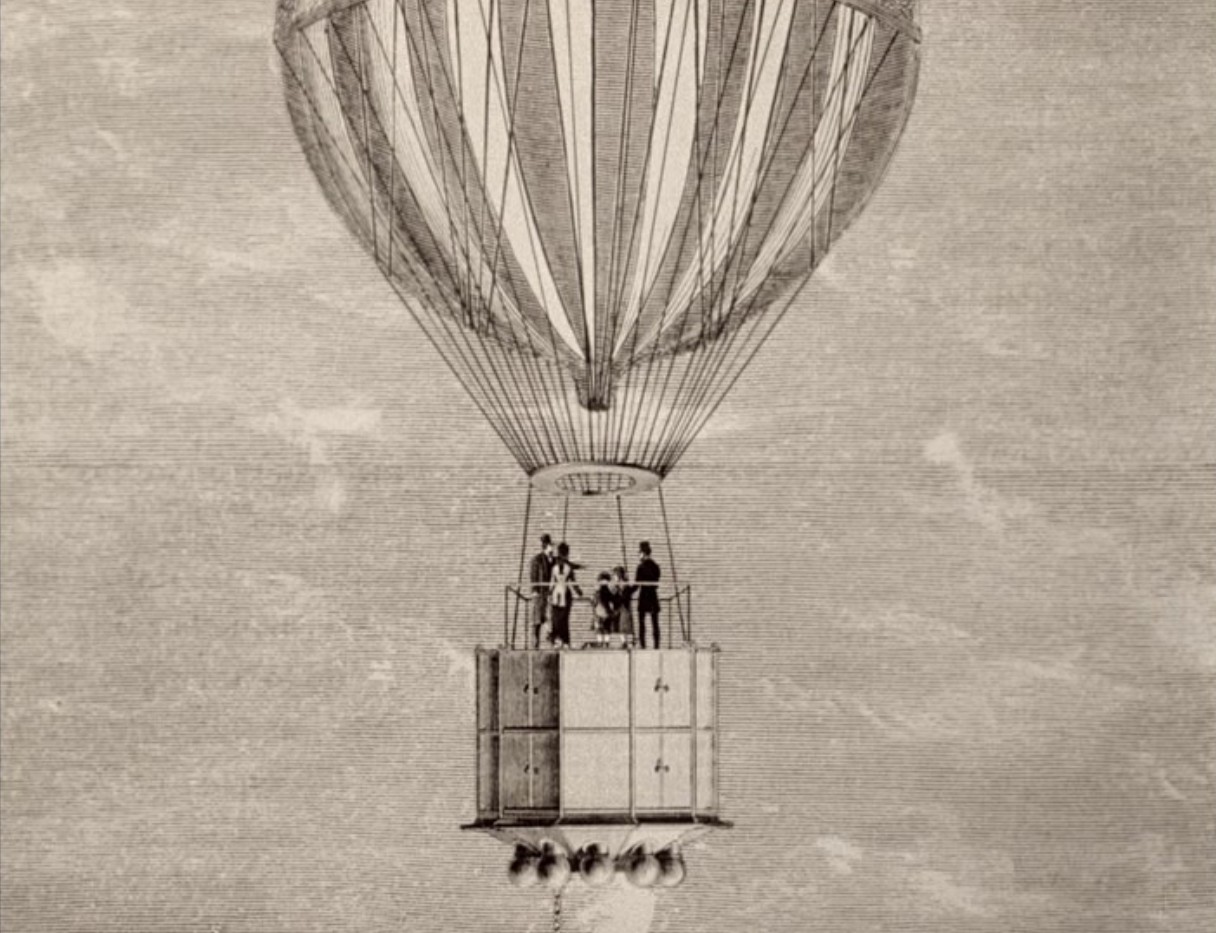
With ‘Encyclopédie de Grand-Maman’ Borowczyk continues the silly surrealism of ‘Les Astronautes‘ from 1959. Although we are promised 13 volumes, we only watch three words from the Encyclopédie: A is for automobiles, B for Balloons and C for Chemin de fer (Railways).
The film uses 19th century engravings to a great effect, especially the car race in ‘Automobiles’ is as inventive as it is entertaining. Borowczyk makes clever use of his source material, and the animation is greatly helped by the stark sound effects. These aspects make ‘Encyclopédie de Grand-Maman’ a fun film, if not more than that.
Watch ‘Encyclopédie de Grand-Maman en 13 Volumes’ yourself and tell me what you think:
‘Encyclopédie de Grand-Maman en 13 Volumes’ is available on the Blu-Ray/DVD set ‘Walerian Borowczyk: Short Films and Animation’
Director: Roman Davidov
Release date: 1963
Rating: ★★★
Review:
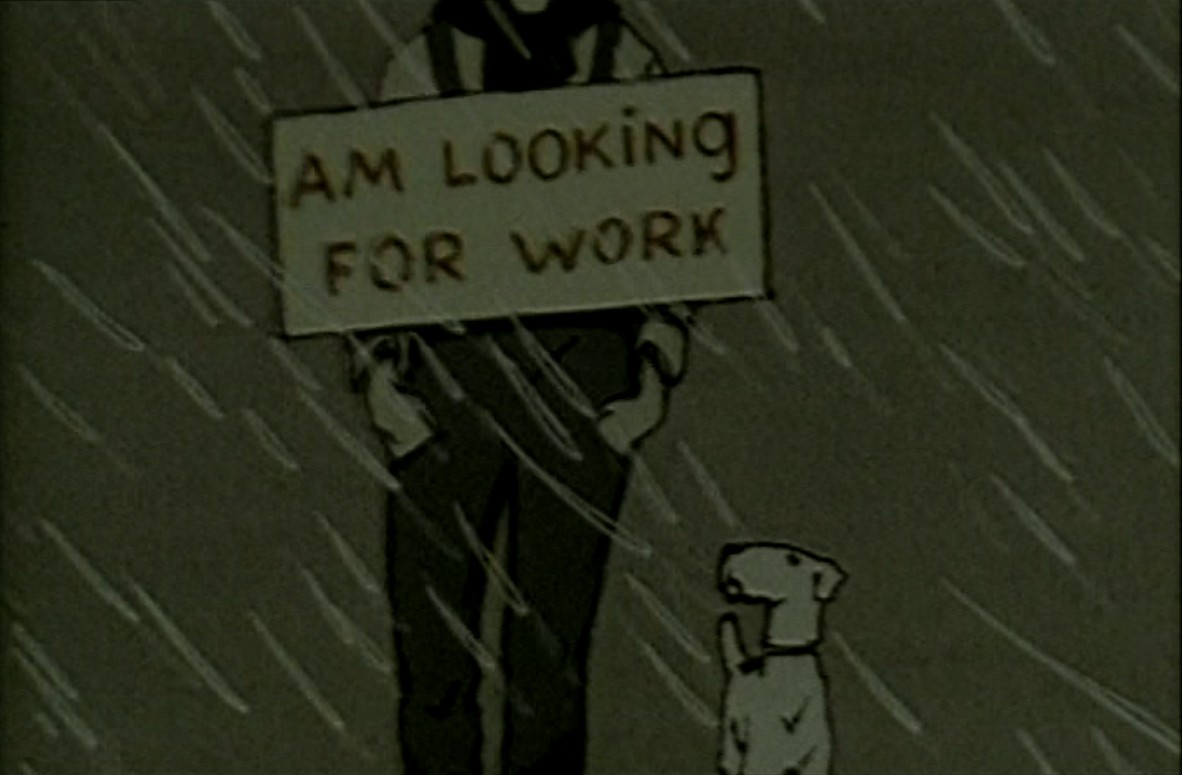
‘The Shareholder’ is the third of three animated Soviet propaganda shorts aimed at American capitalism from 1963, the other two being ‘Mister Twister‘ and ‘The Millionaire‘.
Of the three this short is by far the most interesting visually. The short uses a strikingly graphic style and cel animation of the highest quality. The animators working on this short clearly have full command of the human and animal form, making this propaganda short a feast for the eye. The story, on the other hand, is not as attractive: at 24 minutes it is slow, meandering, repetitive and overlong.
‘The Shareholder’ is worker Michael Chase, who is made shareholder of the Pearson company. But when he gets fired, he soon discovers that this share is worth nothing, nor are his possessions, which were all bought on credit. Broken and without a job he wanders the streets.
The film’s highlight is the scene in which Michael Chase loses all his possessions: they change into cheaper and cheaper forms for his eye, before vanishing altogether. It’s also interesting to note that the film predicts how robotization leads to unemployment. However, the film’s message remains fuzzy, and its ending unclear.
Watch ‘The Shareholder’ yourself and tell me what you think:
‘The Shareholder’ is available on the DVD set ‘Animated Soviet Propaganda’
Director: Anatoly Karanovitch
Release date: 1963
Rating: ★★★★
Review:
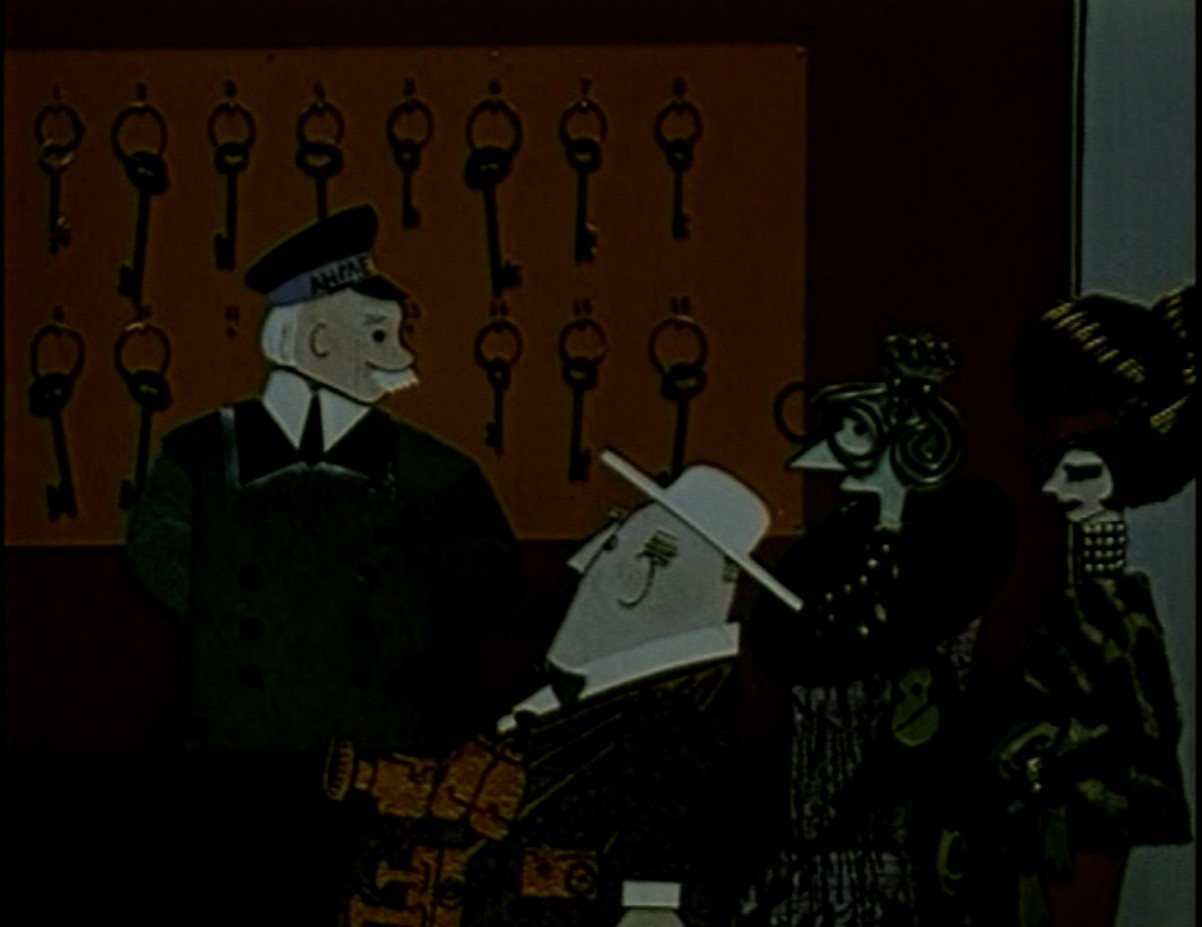
After Fyodor Khitruk gave Soviet animation a huge update with ‘Story of One Crime’, the animated Soviet propaganda shorts also became more modern and interesting to look at. A good example is ‘Mister Twister’ from 1963.
Based on the poem of the same name by Samuel Marshak (1887-1964) ‘Mister Twister’ is a story in rhyme about Mr. Cook (alias ‘Mister Twister’), an American millionaire who visits the Soviet Union on request of his daughter Susie. When he arrives in Leningrad, he refuses to sleep in the appointed hotel, because a black man sleeps there, too. The doorman of the hotel calls all his colleagues from other hotels to tell the millionaire they’re full. After a tiring day of searching and a night in the doorman’s office, the millionaire and his family are completely humbled. Now, Mr. Cook will rent a room, even though he will be surrounded by colored people, all visiting Leningrad because an international conference.
This cartoon uses both cel animation and cut-out techniques and is conceived as a children’s book coming alive. The animation (e.g. by a young Yuri Norstein) is crude and emblematic, but shows modern influences in its unnatural depictions of movement.
‘Mister Twister’ is one of no less than three animated Soviet propaganda films from 1963 aimed at American capitalism. Despite the rather poor animation, it’s the best of the three, because of the charmingly little story, and because its anti-racist message, which is of a much more lasting quality than say the glory of communism.
Watch ‘Mister Twister’ yourself and tell me what you think:
‘Mister Twister’ is available on the DVD set ‘Animated Soviet Propaganda’
Directors: Vitold Bordzilovsky & Yuri Prytkov
Release date: 1963
Rating: ★★★
Review:
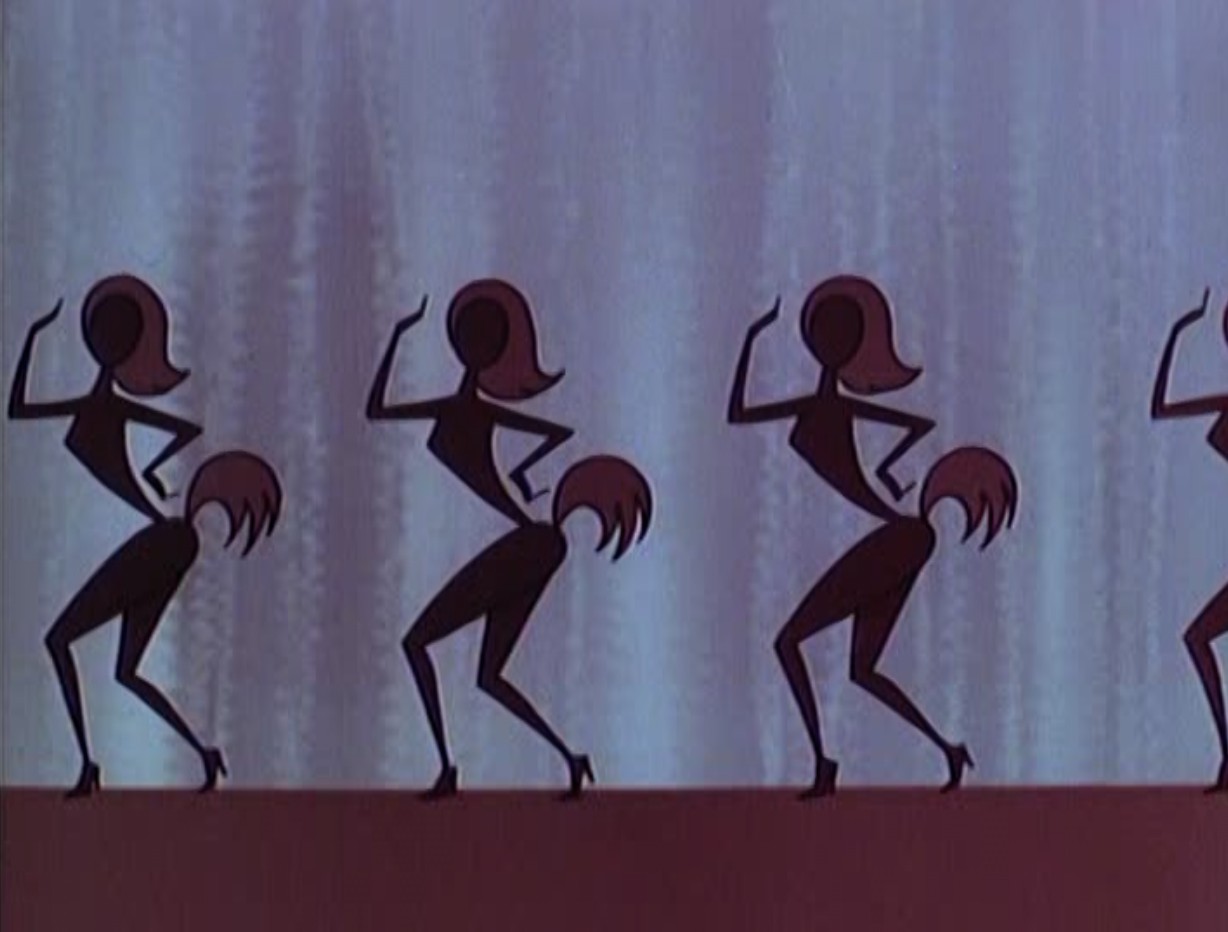
‘The Millionaire’ is an animated Soviet propaganda film, aimed at American capitalists, just like ‘Mister Twister‘ and ‘The Shareholder’ from the same year. Of the three its visuals are the most conventional: the simple cartoon style harks back to the 1930s and 1940s and is a little reminiscent of the work by Otto Soglow.
Like in ‘Mister Twister’, the story is narrated in rhyme, and this time tells about a bulldog which inherits a great fortune from an old lady. Now the dog is top of the bill, he behaves more and more human-like. He even manages to be elected into the senate, where, as a true capitalist (according to the narrator), he opposes peace. The short’s moral is a little unclear, but seems to be that money can even make the dumbest person mighty. Like in ‘Mister Twister’ the animation is emblematic, although there are some good takes on the dog.
Watch ‘The Millionaire’ yourself and tell me what you think:
‘The Millionaire’ is available on the DVD set ‘Animated Soviet Propaganda’
Director: Friz Freleng
Release date: September 7, 1963
Stars: Bugs Bunny
Rating: ★★★★★
Review:
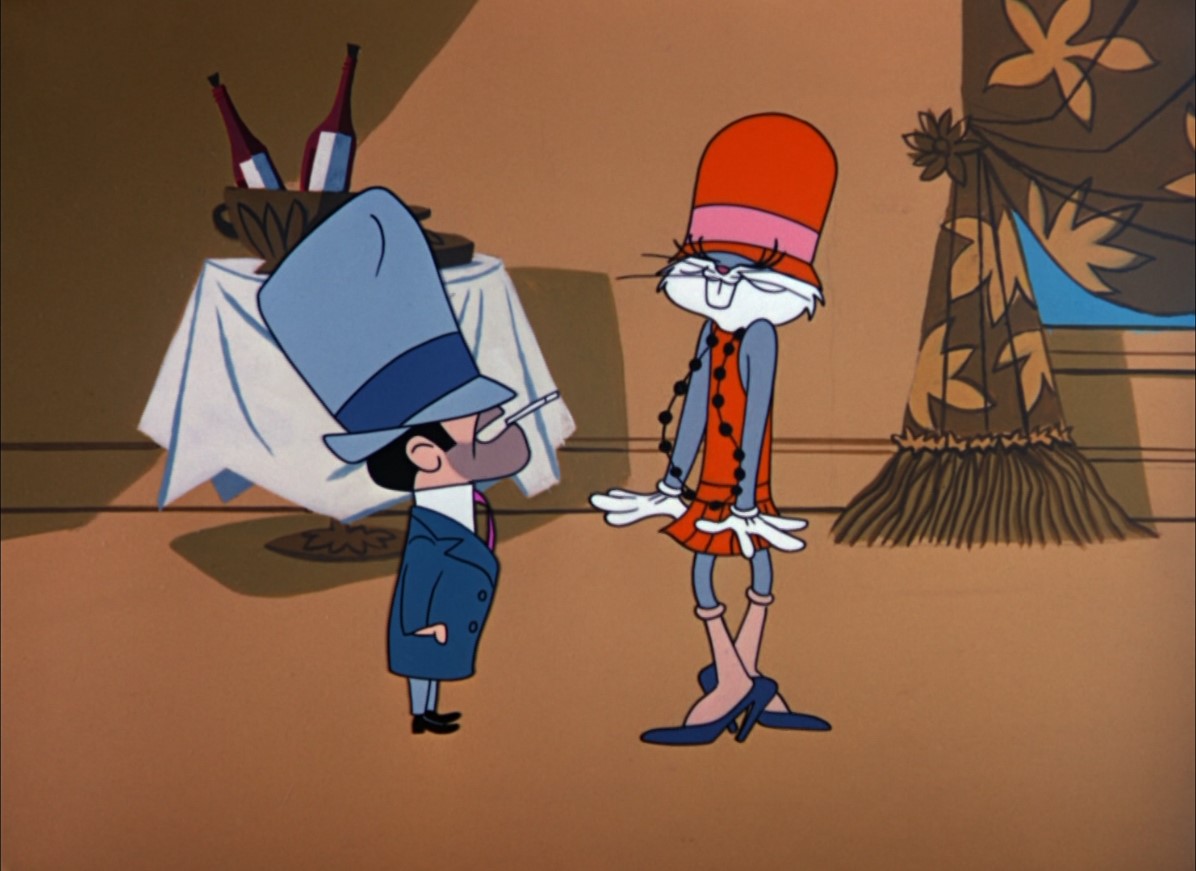
In the 1960s the quality of the Warner Bros. Cartoons rarely reached the heights of the best of the 1940s and 1950s, but there were a few which did so.
‘The Unmentionables’ surely is one of them. The cartoon obviously parodies the television series ‘The Untouchables’, with Bugs Bunny as Elliott Ness (or Elegant Mess, as he’s called in the cartoon). Luckily, ‘The Unmentionables’ doesn’t rely much on the parody element, but has many gags of its own, like silly gangsters (a series of gags harking all the way back to ‘The Great Piggy Bank Robbery’ of 1946) and a great example of Friz Freleng’s timeless lightswitch routines.
The cartoon also sees the welcome return of that infamous gangster duo Rocksy and Mugsy, who make their final appearance here. And then there’s Bugs as a flapper girl! Even the opening shots are wonderful, with some nice 1920s scenes drawn in a retro-1920s art deco style. The whole cartoon is a delight and one of the studio’s final best moments.
Watch ‘The Unmentionables’ yourself and tell me what you think:
This is Bugs Bunny cartoon No. 162
To the previous Bugs Bunny cartoon: Hare-Breath Hurry
To the next Bugs Bunny cartoon: Mad as a Mars Hare
‘The Unmentionables’ is available on the Blu-Ray-set ‘Bugs Bunny 80th Anniversary Edition’
Director: Robert McKimson
Release date: April 1, 1963
Stars: Bugs Bunny, Daffy Duck
Rating: ★★★
Review:
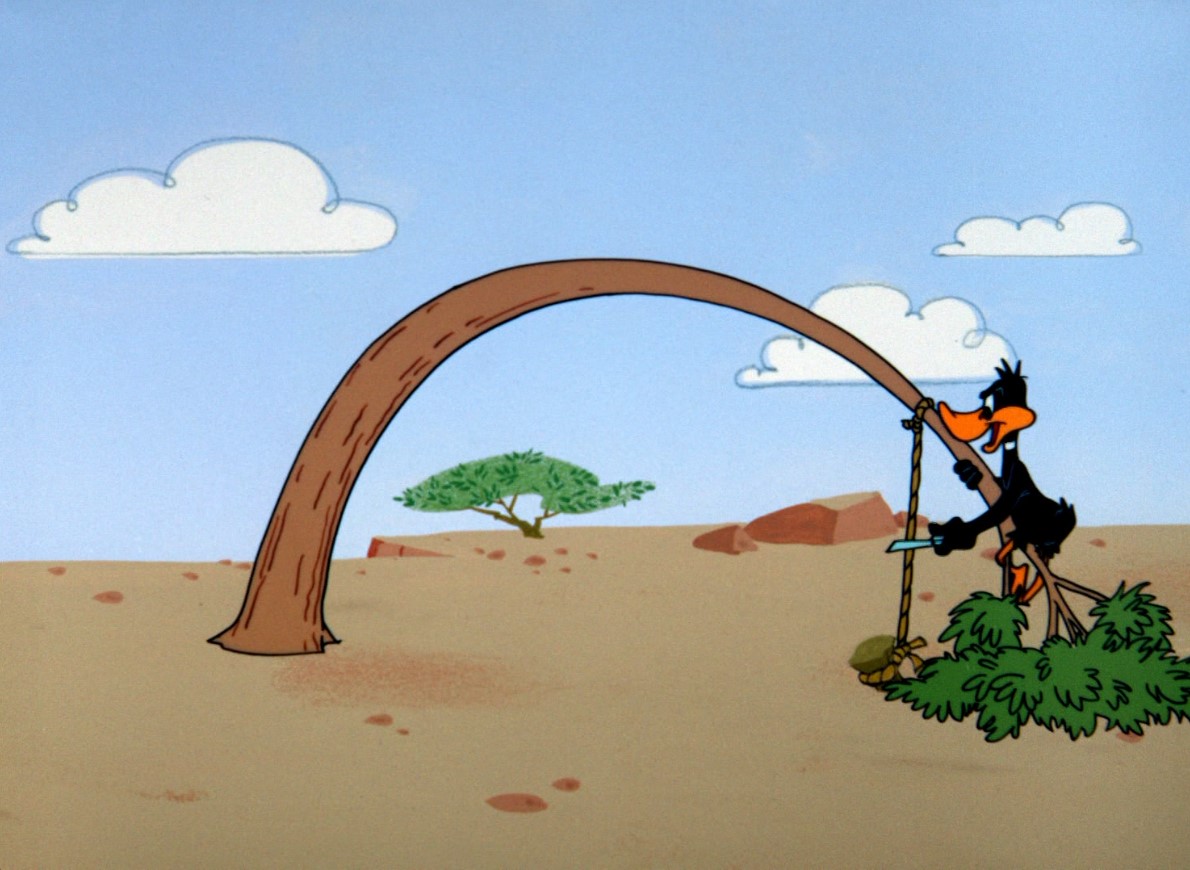
In ‘The Million-Hare’ Daffy Ducks spends his holiday at Bugs’s place, watching tv. The action only starts when their two names are mentioned on tv as contestants in a ‘buddy race’: whoever gets first to the studio, wins.
What follows is a series of rather Roadrunner-like gags, in which gravity often is as much Daffy’s enemy as it were the coyote’s in the Roadrunner films. The cartoon is very talkative, but some of the gags are good. I liked Bugs’s wonderings about Daffy’s abilities.
The staging on the other hand, is often rather odd. I especially thought that the characters were a little too big on the screen several times.
Watch two excerpts from ‘The Million-Hare’ yourself and tell me what you think:
This is Bugs Bunny cartoon No. 160
To the previous Bugs Bunny cartoon: Devil’s Feud Cake
To the next Bugs Bunny cartoon: Hare-Breath Hurry
This is Daffy Duck cartoon no. 92
To the previous Daffy Duck cartoon: Fast Buck Duck
To the next Daffy Duck cartoon: Aqua Duck
‘The Million-Hare’ is available on the Blu-Ray-set ‘Bugs Bunny 80th Anniversary Edition’
Director: Ernest Pintoff
Release date: May 20, 1963
Rating: ★★★★
Review:
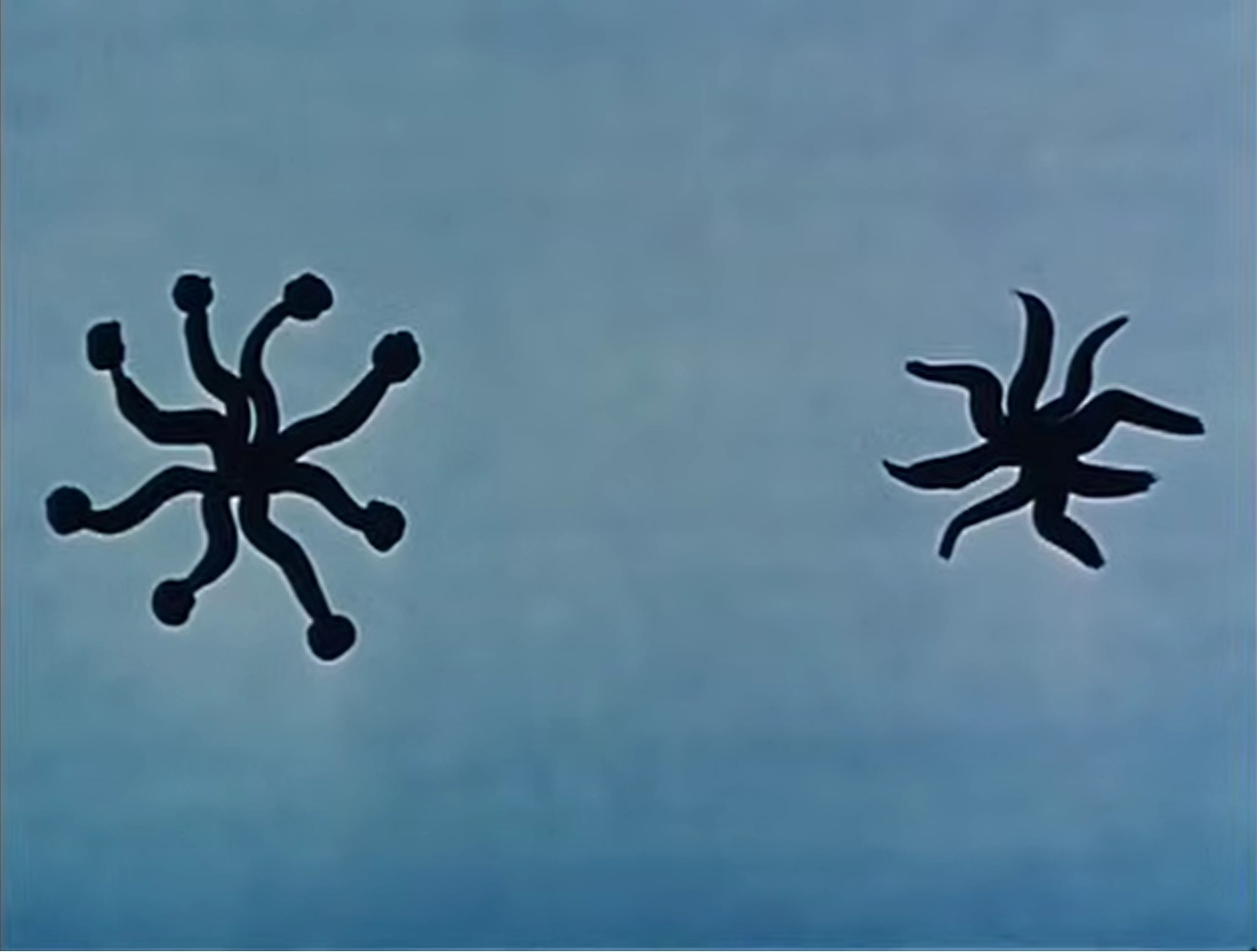
Conceived by Mel Brooks, and directed by UPA alumnus Ernest Pintoff, ‘The Critic’ is a short little unpretentious gem.
The film starts as an abstract animation film (designed and animated by Bob Heath), with several shapes appearing and moving to the baroque harpsichord music of Johann Sebastian Bach’s French Suite. But then suddenly a man starts commenting what he sees with us. The 71-year old Yiddish man of Russian decent certainly disapproves what he sees, but at the same time he seems immersed in the images on the screen, trying to make head and tale of the abstract forms.
Mel Brooks, who voices the critic, is in top form from the man’s first utterance “what the hell is this?” to his final verdict: “I don’t know much about psychoanalysis, but I’d say this is a dirty picture”. The animation seems to be a parody of the work of Norman McLaren of the time: the use of baroque music, choreography of shapes, monochrome background art. the sometimes organic forms, and the sense of narrative elements all point to that direction.Indeed, according to Wikipedia the short was inspired by a screening of a Norman McLaren film Mel Brooks attended, where he overheard a man mumbling to himself during the entire cartoon.
‘The Critic’ is an excellent bit of fun. More people must have thought so, because the short won the Academy Award for best animated short in 1964.
Watch ‘The Critic’ yourself and tell me what you think:
Directors: William Hanna & Joseph Barbera
Airing date: March 29, 1963
Stars: The Flintstones, Yogi Bear & Boo-Boo
Rating: ★★★★
Review:
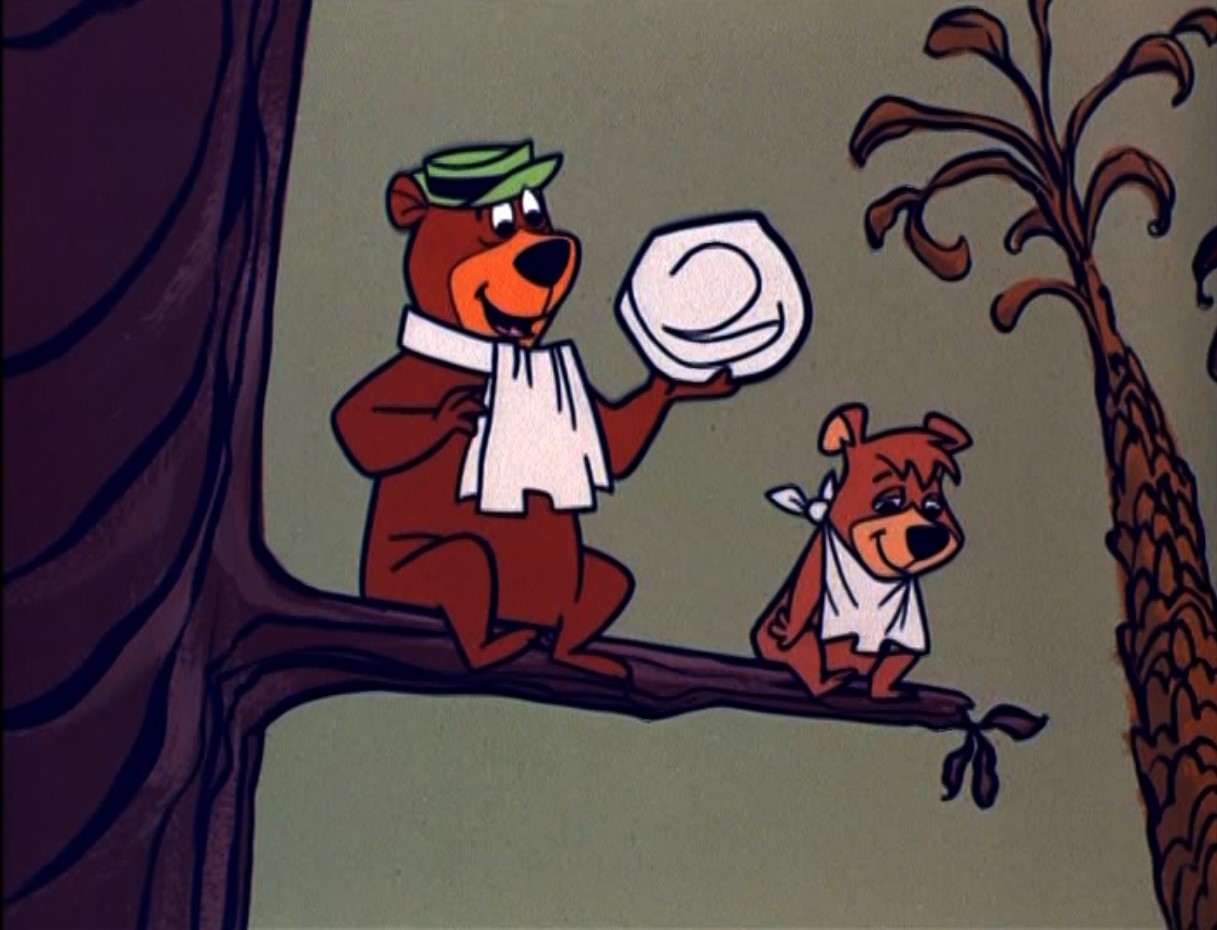
‘Swedish Visitors’ is the first episode since ‘The Surprise‘ that is not connected to (the coming of) young Pebbles. Instead, we follow Fred’s fruitless attempts to have some rest on his well-earned vacation.
The episode knows quite some plot twists, so I won’t reveal more, but the episode is noteworthy for Wilma’s dishonesty, a character trait mostly reserved for Fred, and it is a bit unsettling to see it in Fred’s normally so faithful wife.
‘Swedish Visitors’ also knows a great comedy routine at a bank, in which an unfortunate employee has to roll away three humongous stones to get into a vault. Yogi Bear and Boo-Boo also make a cameo appearance, but it’s the Swedes who make this episode special. Now, the very idea of ‘Swedes’ in prehistory is as preposterous as the yankee-hating colonel was in ‘Fred’s New Job‘, but one particular dumb one forms the direct inspiration for Cousin Svën in the Ren & Stimpy episode ‘Svën Høek’, with his repeated rendering of ‘he is Ole, you are Sven’, which was given to Svën as his opening line in the Ren & Stimpy episode.
Watch an excerpt from ‘Swedish Visitors’ yourself and tell me what you think:
This is The Flintstones Season Three episode 27
To the previous The Flintstones episode: The Big Move
To the next Flintstones episode: The Birthday Party
‘Swedish Visitors’ is available on the Blu-Ray ‘The Flintstones – The Complete Series’ and the DVD-box ‘The Flintstones Season 3’
Directors: William Hanna & Joseph Barbera
Airing date: March 22, 1963
Stars: The Flintstones
Rating: ★★★
Review:
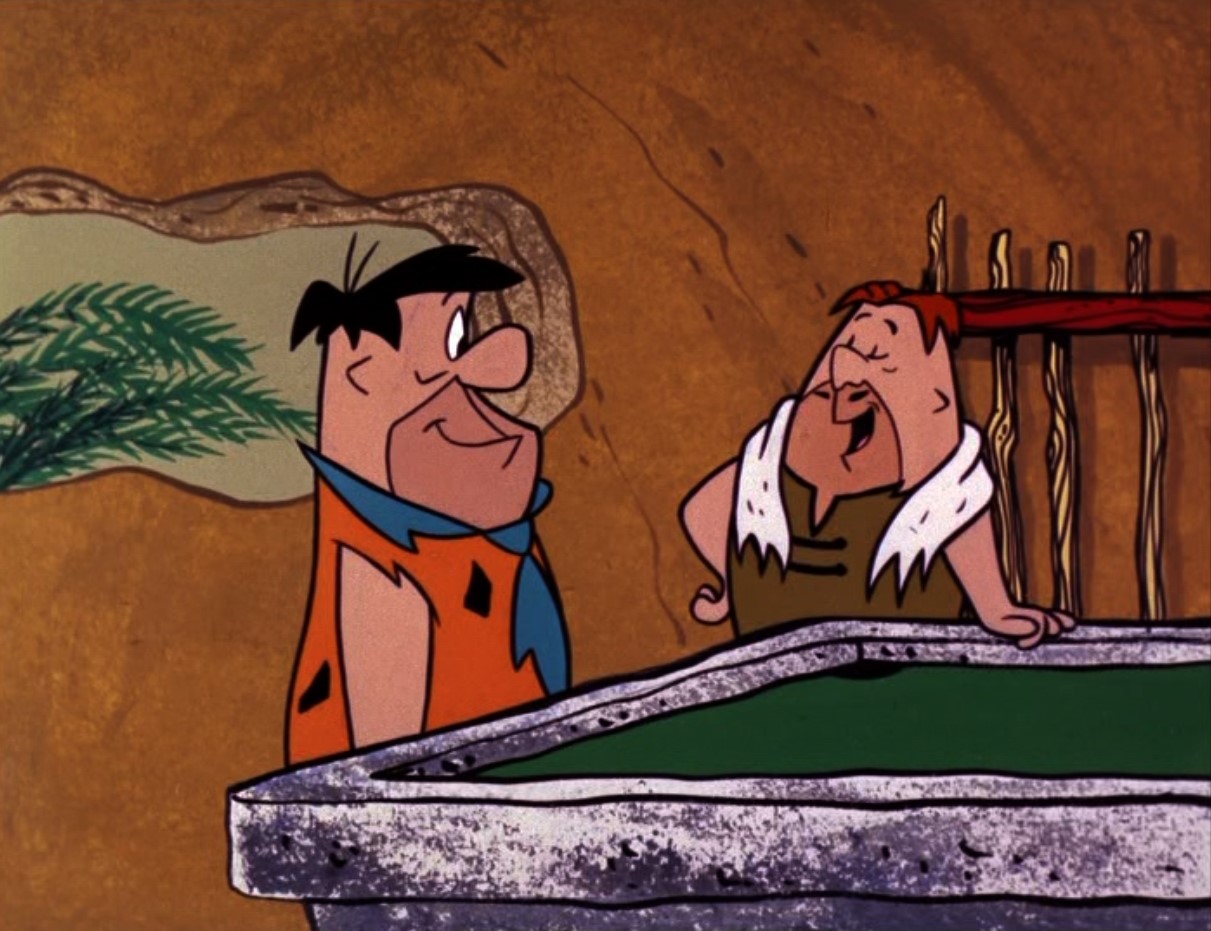
In ‘The Big Move’ young Pebbles triggers the action. When her first words turn out to be ‘scooby dooby doo’, ‘shoot pool’ and ‘play poker’, thanks to Barney, Fred wants to move to a more upper class neighborhood, so Pebbles can get a proper influence.
Soon he and Wilma move upon hill to a land leased house in the snubbiest neighborhood imaginable. Fred immediately starts lying about his car, his ‘personnel’ and his work, much to Wilma’s chagrin. But of course he misses Barney before soon, and with an unlikely scheme (with Barney and Betty posing as some hillbilly family) things are soon back to normal.
‘The Big Move’ is very predictable, and Fred behaves absolutely detestably in this episode. Most interesting is his bedtime story to Pebbles, with which the episode starts and the expression ‘scooby dooby doo’ six years before Hanna-Barbera launched the series featuring the famous hound and mystery solving team.
Watch an excerpt from ‘The Big Move’ yourself and tell me what you think:
This is The Flintstones Season Three episode 26
To the previous The Flintstones episode: Ventriloquist Barney
To the next Flintstones episode: Swedish Visitors
‘The Big Move’ is available on the Blu-Ray ‘The Flintstones – The Complete Series’ and the DVD-box ‘The Flintstones Season 3’
Directors: William Hanna & Joseph Barbera
Airing date: March 8, 1963
Stars: The Flintstones
Rating: ★
Review:
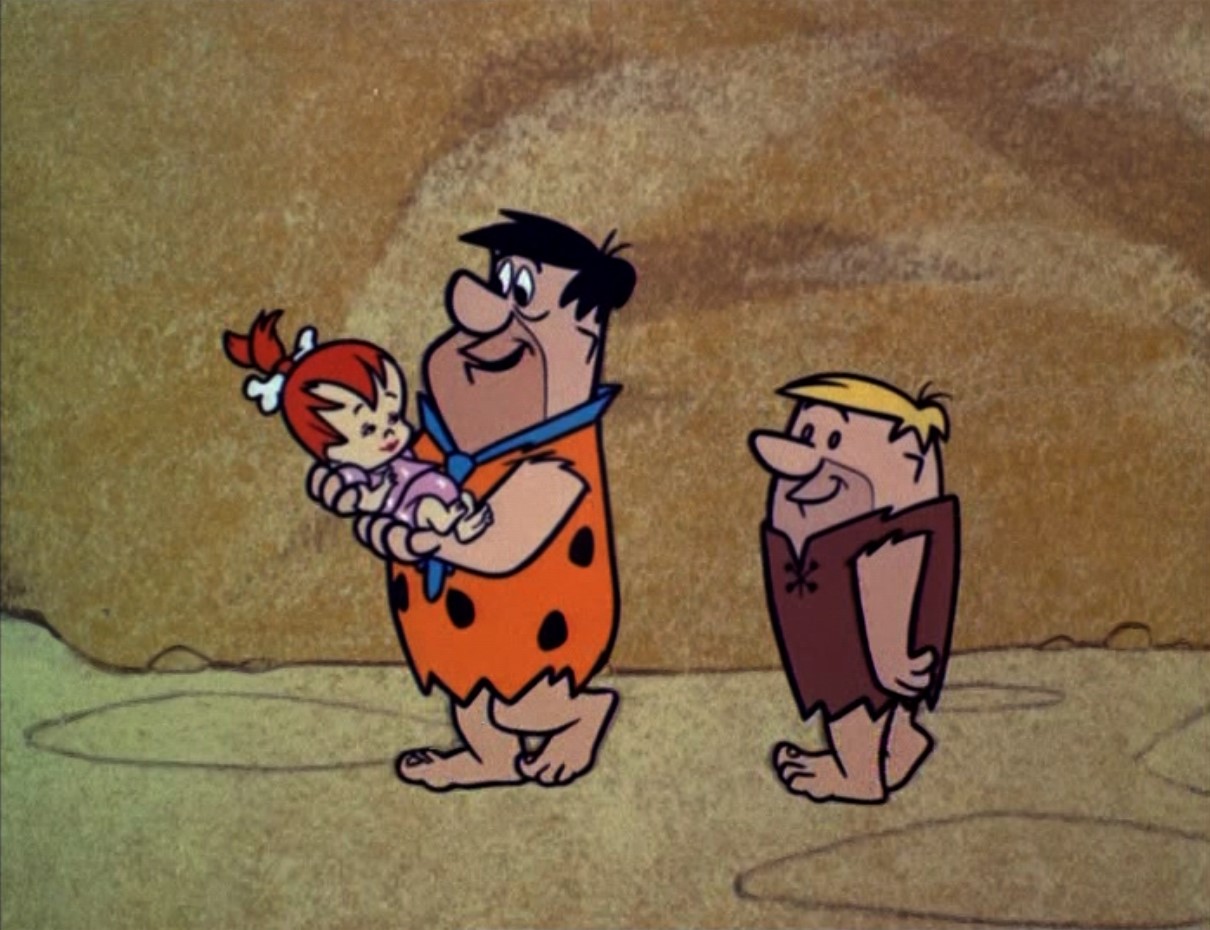
‘Ventriloquist Barney’ starts with Barney practicing and immediately mastering ventriloquism. He first fools Betty with his act, then Fred.
But the episode only really gains momentum when Barney has two tickets to a wrestling match, while Fred has to babysit Pebbles. Unfortunately, little is done with either idea, and the whole episode drags on, with the few gags falling flat after one other. Pebbles herself is cute, but little else, and this episode is so appallingly boring that one wonders if bringing her in was such a good idea in the first place.
Highlight may be the unexpected feminist message Barney delivers Fred to get him taking Pebbles with him to the wrestling match.
Watch an excerpt from ‘Ventriloquist Barney’ yourself and tell me what you think:
This is The Flintstones Season Three episode 25
To the previous The Flintstones episode: Carry on, Nurse Fred
To the next Flintstones episode: The Big Move
‘Ventriloquist Barney’ is available on the Blu-Ray ‘The Flintstones – The Complete Series’ and the DVD-box ‘The Flintstones Season
Directors: William Hanna & Joseph Barbera
Airing date: February 22, 1963
Stars: The Flintstones
Rating: ★★★★★ ♕
Review:
‘The Dress Rehearsal’ forms the pinnacle of the continuity that had started with ‘The Surprise‘ a month earlier. In fact, the episode is the best of the whole third season, and perhaps of the whole Flintstones series.
The episode starts inconspicuous enough, with Fred and Barney practicing at a gym, owned by a phony character, but when red and Barney decide to practice the day Wilma goes into labor some really fine comedy starts, with the writers pulling all comic registers, from slapstick, via lame jokes to a great comedy of errors.
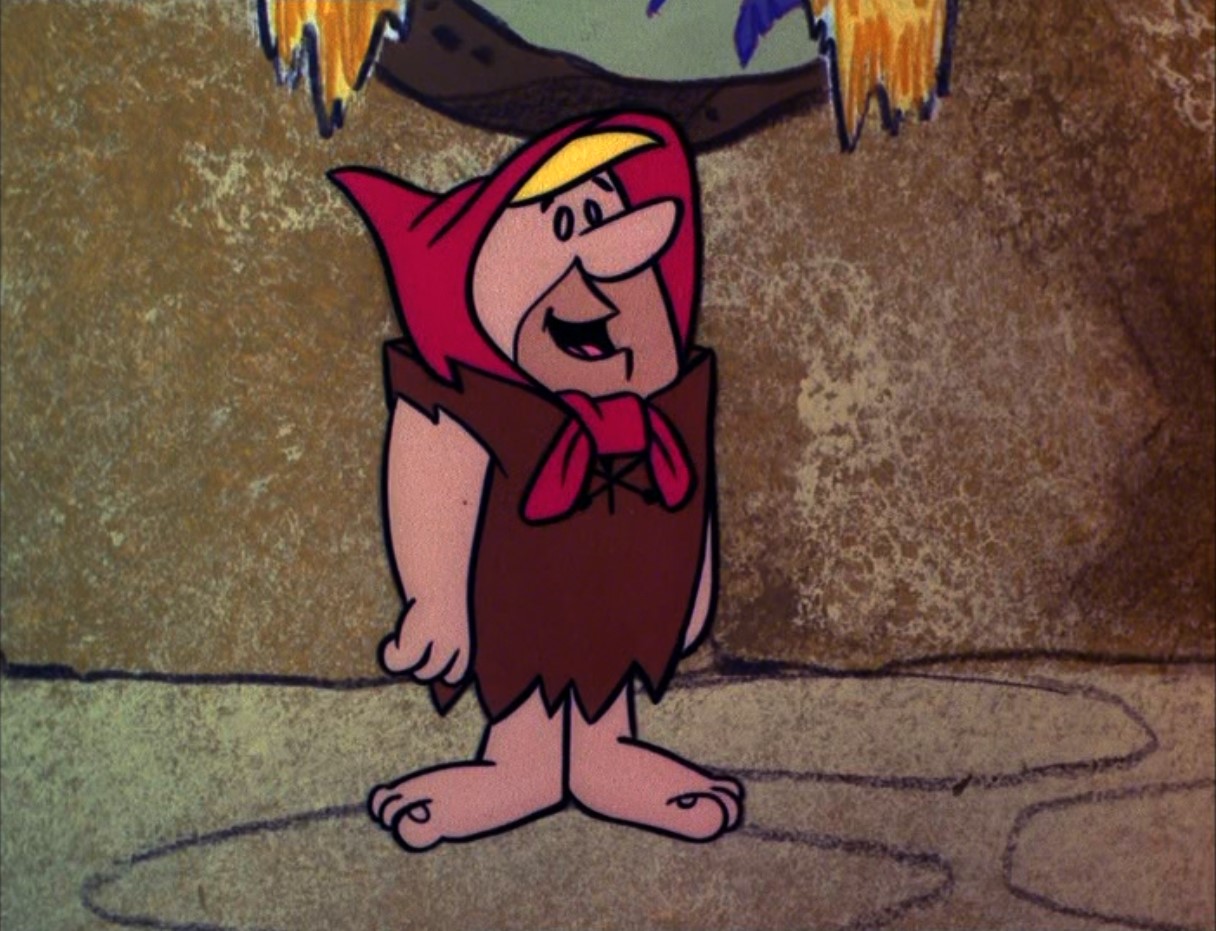
Barney looks particularly silly posing as Fred’s wife, more looking like Little Red Riding Hood. But all this is topped by a remarkable speedy sequence of rushing back and forth to the hospital. The episode ends with the coming of Fred and Wilma’s baby Pebbles. Unfortunately, her arrival also heralds a sudden drop of quality of the series, as the subsequent episodes will show.
Note that ‘The Dress Rehearsal’ knows a rare appearance of the saber-tooth cat of the title sequences. In the hospital we also see two clear caricatures. These appear to be Vince Edwards and Sam Jaffe from the television series ‘Ben Casey’ (961-1966), which is set in a hospital.
Watch an excerpt from ‘The Dress Rehearsal’ yourself and tell me what you think:
This is The Flintstones Season Three episode 23
To the previous The Flintstones episode: Fred’s New Job
To the next Flintstones episode: Carry on, Nurse Fred
‘The Dress Rehearsal’ is available on the Blu-Ray ‘The Flintstones – The Complete Series’ and the DVD-box ‘The Flintstones Season
Directors: William Hanna & Joseph Barbera
Airing date: February 15, 1963
Stars: The Flintstones
Rating: ★★½
Review:
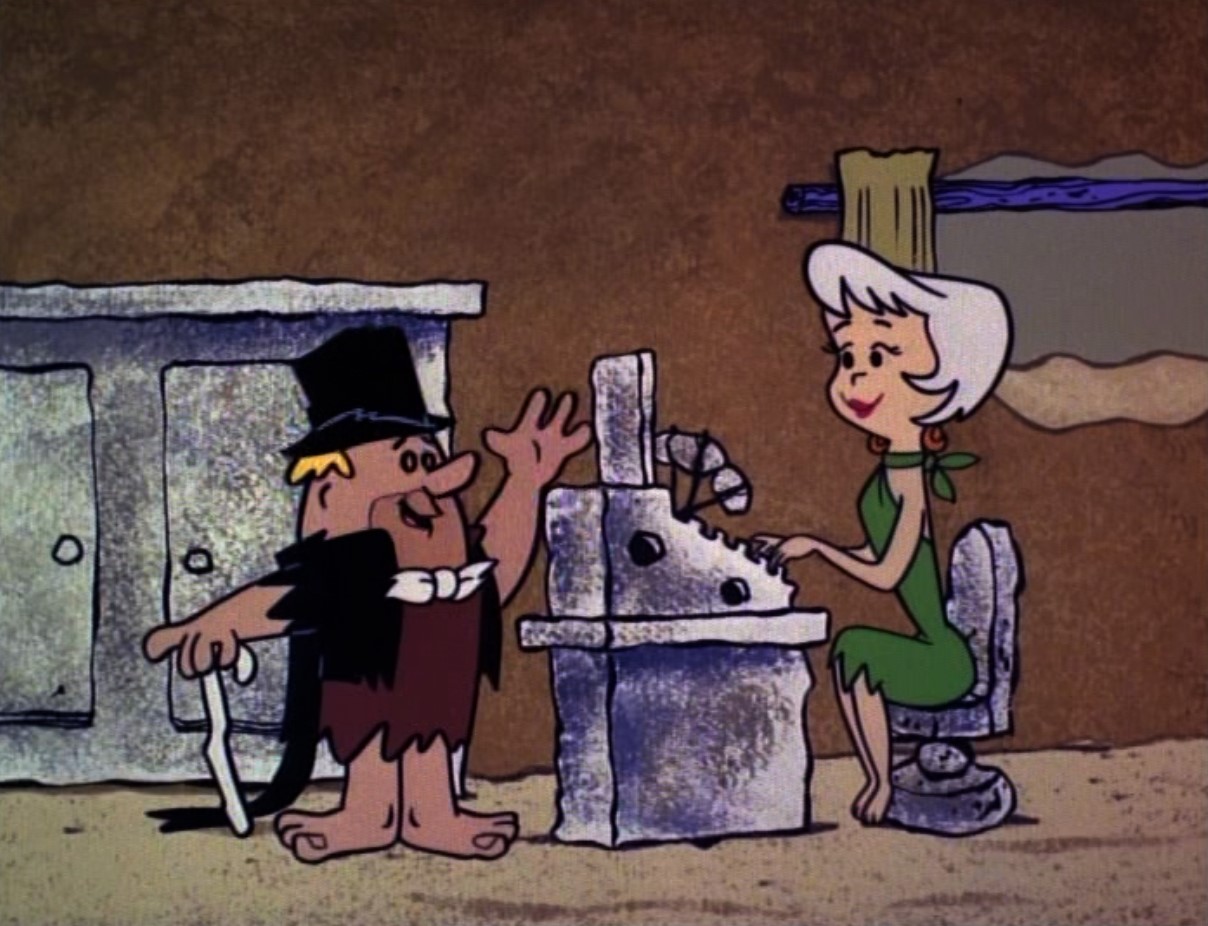
In ‘Fred’s New Job’ Fred would love to get a raise, now he is going to have support a family. Barney conceives a plan that backfires, and soon Fred is looking for another job, e.g. in a drive-in restaurant, partly reprising the ‘The Drive-in‘ episode from season one.
‘Fred’s New Job’ seems to have been made by a B-team: the designs are often off, and the story contains a lot of silly and nonsensical elements. For starters, the episode starts with a silly boink bird, then there’s a corny steamed clam gag, and a Southern colonel who dislikes ‘yankees’ (in prehistory?!), one in a long line of Southern colonels swarming Warner bros. cartoons. But most absurd is watching Fred flying like a bird.
When compared to such episodes like the earlier ‘Dial S for Suspicion‘ or the following ‘The Dress Rehearsal’ this episode is just subpar, relying more on silly gags than on clever comedy.
Watch an excerpt from ‘Fred’s New Job’ yourself and tell me what you think:
This is The Flintstones Season Three episode 22
To the previous The Flintstones episode: Foxy Grandma
To the next Flintstones episode: The Dress Rehearsal
‘Fred’s New Job’ is available on the Blu-Ray ‘The Flintstones – The Complete Series’ and the DVD-box ‘The Flintstones Season 3’
Directors: William Hanna & Joseph Barbera
Airing date: February 8, 1963
Stars: The Flintstones
Rating: ★
Review:
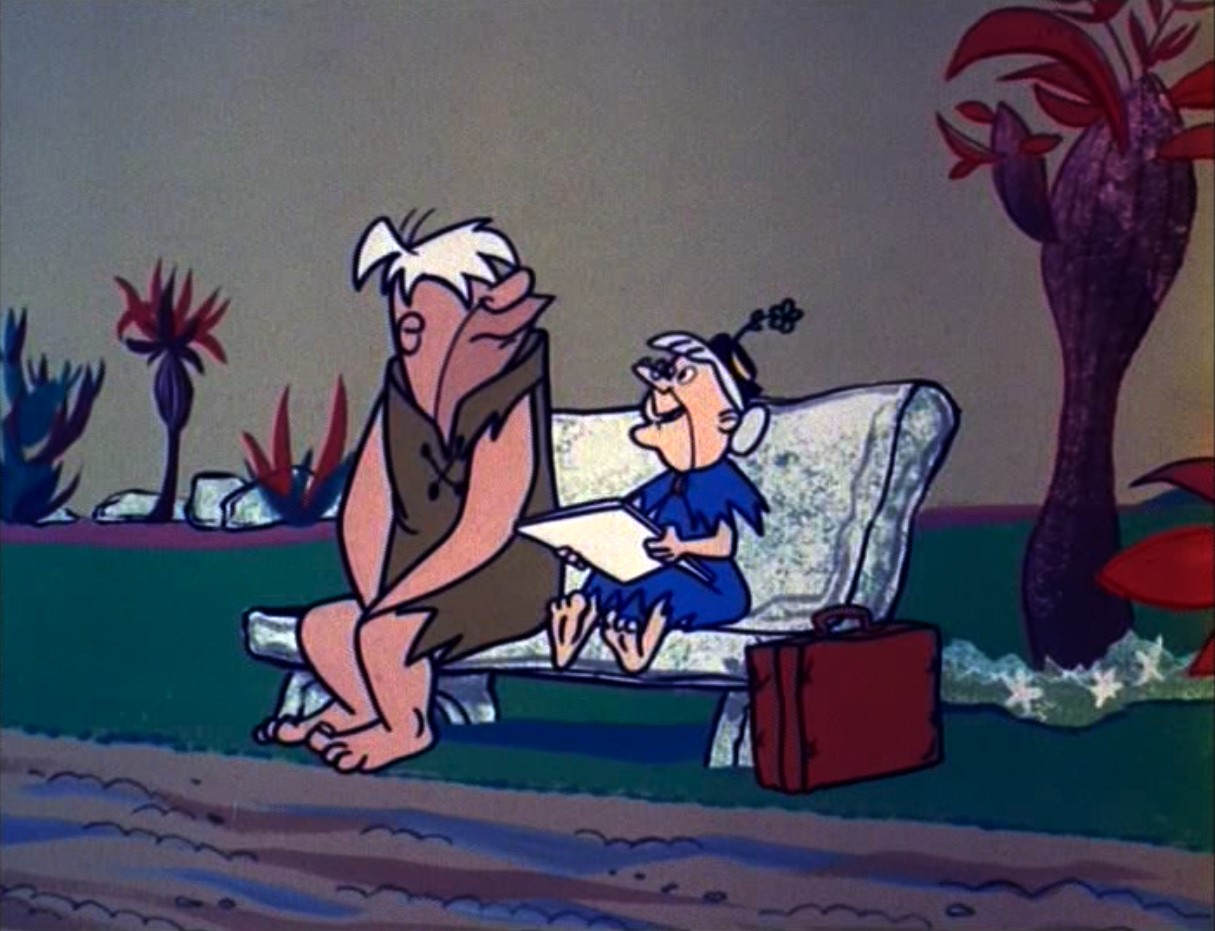
‘Foxy Grandma’is the third episode of the ‘Flintstones are getting a baby’ continuum. It’s easily the weakest of the lot. Little is done with the pregnancy idea, even though the whole plot is based on the fact that Fred doesn’t want Wilma to do housework in her condition.
Wilma naturally wants to ring her mother to help her, but Fred insists on getting a housekeeper, which turns out to be a more difficult task than imagined. The episode takes a particularly silly turn when one ‘Grandma Dynamite ‘ turns up. There’s even a surreal road gag straight from a Tex Avery cartoon.
Unfortunately, all the antics are more tiresome than funny, and the slapstick feels tried and uninspired when compared with episodes focusing on the relationship between the four main protagonists. In this episode the Rubbles hardly have a role.
The stone age gags, too, are familiar: a lawnmower dino, a hedge trimmer bird, an intercom parrot, and a saw-billed bread knife bird. The water tap mammoth can be credited with being given the lamest gag of the whole episode.
Watch an excerpt from ‘Foxy Grandma’ yourself and tell me what you think:
This is The Flintstones Season Three episode 21
To the previous The Flintstones episode: Mother-in-Law’s Visit
To the next Flintstones episode: Fred’s New Job
‘Foxy Grandma’ is available on the Blu-Ray ‘The Flintstones – The Complete Series’ and the DVD-box ‘The Flintstones Season 3’
Directors: William Hanna & Joseph Barbera
Airing date: January 25, 1963
Stars: The Flintstones
Rating: ★★★
Review:
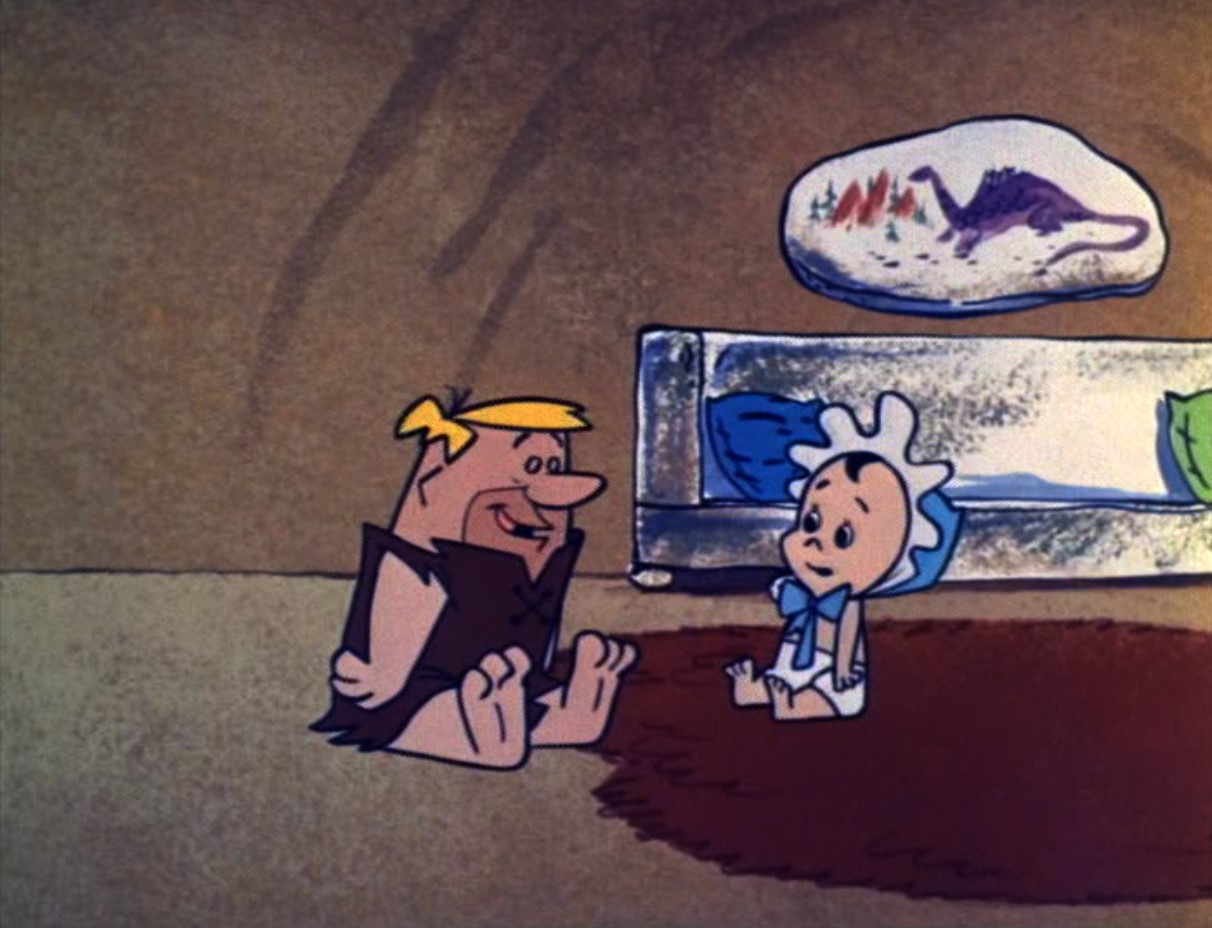
‘The Surprise’ is the first episode in what was to become the first continuum in television animation. The show starts with Betty pushing a baby carriage. The carriage contains little Marblehead, her nephew.
Barney completely falls for the baby, and even forsakes the last game of the bowling tournament, making his team lose. Fred, of course, is not amused, and throughout the episode expresses a disliking of babies. Of course, he softens up as time progresses, and then Wilma indeed has some surprising news.
The whole episode is more gentle and cute than genuinely funny, but Fred’s doubletake when Barney and Betty catch him entertaining little Marblehead is priceless. The episode is also noteworthy for Fred addressing the public directly at the end.
The stone age gags, meanwhile, are modest: a crab and a bird used as scissors, and a mammoth as a water hose. None of these animals speaks, which spares us some lame gags.
Watch an excerpt from ‘The Surprise’ yourself and tell me what you think:
This is The Flintstones Season Three episode 19
To the previous The Flintstones episode: The Hero
To the next Flintstones episode: Mother-in-Law’s Visit
‘The Surprise’ is available on the Blu-Ray ‘The Flintstones – The Complete Series’ and the DVD-box ‘The Flintstones Season 3’
Directors: William Hanna & Joseph Barbera
Airing date: January 18, 1963
Stars: The Flintstones
Rating: ★★
Review:
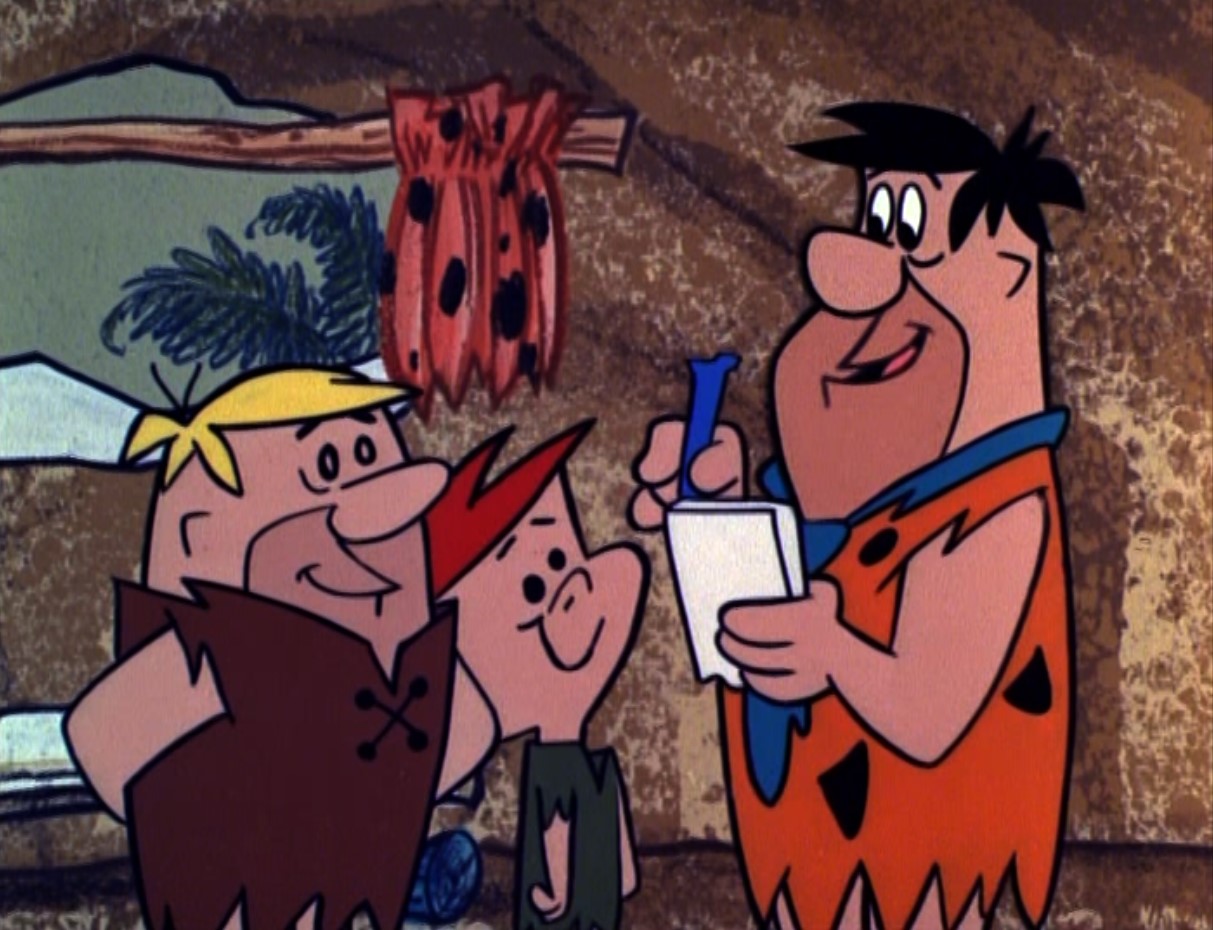
In ‘The Hero’ Fred and Barney both are nominated for the election of ‘Grand Imperial Pooh Bah’ at the Royal Order of Water Buffaloes, but then one of them rescues a baby…
‘The Hero’ progresses in all too predictable strides, and is one of the most boring of the Flintstones episodes. The episode gets a little surreal when Fred’s ‘self’ materializes as a blue doppelganger, haunting our hero. The episode shows how mild the characters had become: Fred certainly behaves much less nasty than in the first series. but with that, some of the sharpness of the humor was also lost.
There are a few stone age gags: a tortoise as a jack, a mammoth as a tow and a porcupine as a hairbrush, but they cannot rescue this boring entry.
Watch an excerpt from ‘The Hero’ yourself and tell me what you think:
This is The Flintstones Season Three episode 18
To the previous The Flintstones episode: Wilma the Maid
To the next Flintstones episode: The Surprise
‘The Hero’ is available on the Blu-Ray ‘The Flintstones – The Complete Series’ and the DVD-box ‘The Flintstones Season 3’
Directors: William Hanna & Joseph Barbera
Airing date: January 11, 1963
Stars: The Flintstones
Rating: ★★★
Review:
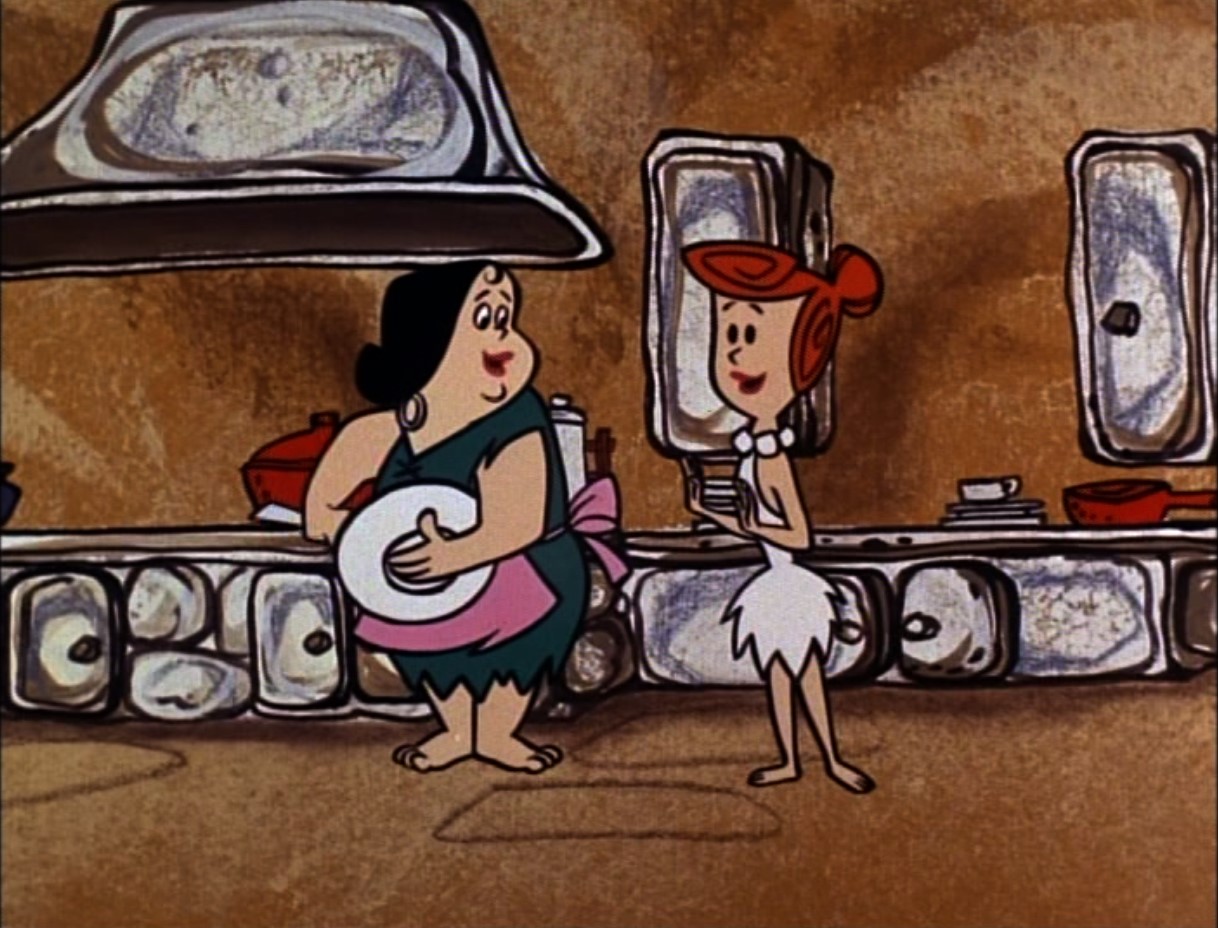
In this Flintstones episode Wilma would like to have a maid. The story takes some unexpected turns, however, and even a real maid shows up.
The maid has the telling name of Lollobrickida, but does not look like the stunning actress Gina Lollobrigida who was the inspiration of her name. How a maid can be Italian in a prehistoric world is never explained, but it doesn’t spoil the comedy, which is of a fine sort, even if things turn out well all too easily in the end.
The prehistory gags include long-billed birds as knitting needles and a huge dinosaur acting as a toll bridge.
Watch an excerpt from ‘Wilma the Maid’ yourself and tell me what you think:
This is The Flintstones Season Three episode 17
To the previous The Flintstones episode: The Kissing Burglar
To the next Flintstones episode: The Hero
‘Wilma the Maid’ is available on the Blu-Ray ‘The Flintstones – The Complete Series’ and the DVD-box ‘The Flintstones Season 3’


 Dr. Grob's Animation Review