You are currently browsing the category archive for the ‘Black and White Films’ category.
Director: Unknown
Release date: May 7, 1920
Stars: Judge Rummy
Rating: ★★★★
Review:
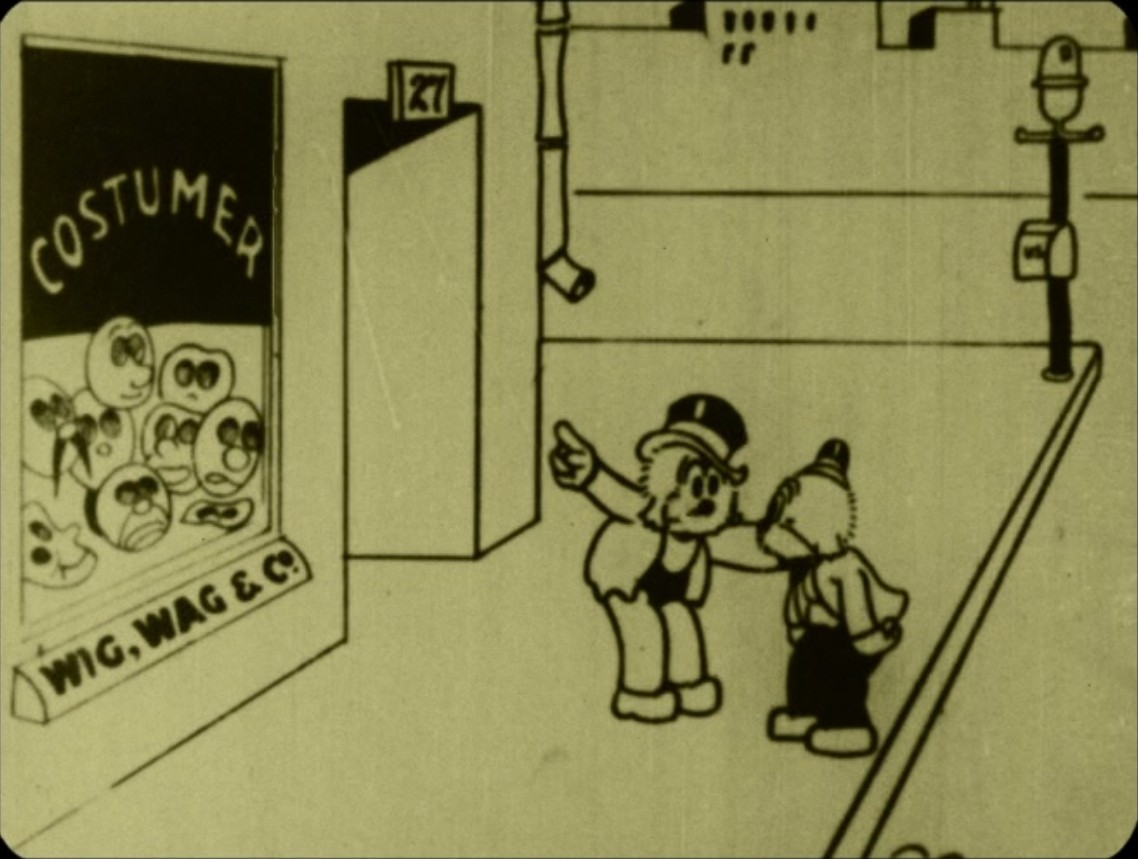
Tad Dorgan’s Judge Rummy was a comic strip that run from 1910 to 1922. Between 1918 and 1922 it was also an animated cartoon series, directed by the likes of Jack King, Burt Gillett and Grim Natwick, who would all become animation legends, and, surprisingly, Gregory La Cava, later director of live action comedies like ‘My Man Godfrey’ (1936) and ‘Stage Door’ (1937).
I’ve no idea who’s responsible for ‘A Fitting Gift’ but the animator has a very pleasant animation style, with unexpected touches of metamorphosis, original staging, and surprising movements.
In this short Judge Rummy wants to buy a gift for a girl he admires. His friend Silk Hat Harry suggest a corset, but Judge Rummy is too bashful to enter, so Silk Hat Harry suggests the two dress as women themselves, but then Judge Rummy’s wife appears. The gags themselves in this cartoon, one including a homosexual stereotype, are pretty trite, but as said, the execution is much fun, making this short a pleasant watch.
Watch ‘A Fitting Gift’ yourself and tell me what you think:
‘A Fitting Gift’ is available on the Blu-Ray-DVD combo ‘Cartoon Roots: The Bray Studios Animation Pioneers’
Director: Walter Lantz
Release date: March 9, 1920
Stars: Jerry on the Job
Rating: ★★★
Review:

Jerry is on a job at a train station, where his boss is plagued by a mosquito. Jerry knows just the way to get rid of the little pest, or does he?
‘The Tale of the Wag’ is a nice little cartoon based on one simple idea. The animation is full of surprising details, like Jerry using his crest as an arm to scratch himself, or Jerry shaking hands with the thought balloon that contains his idea. These little touches rescue an otherwise rather run of the mill short.
Watch ‘The Tale of a Wag’ yourself and tell me what you think:
‘The Tale of a Wag’ is available on the Blu-Ray-DVD combo ‘Cartoon Roots: The Bray Studios Animation Pioneers’
Director: Vernon Stallings
Release date: March 3, 1920
Stars: Krazy Kat
Rating: ★
Review:

Compared to other cartoonists working at the Bray studio, the work of Vernon Stallings is certainly subpar. His Krazy Kat cartoons are crude and simple, and lack the sophisticated animation of an Earl Hurd or the inventiveness of Walter Lantz.
‘The Best Mouse Loses’ is a very short cartoon in which Ignatz Mouse goes into a ringed boxing match. Arbiter Krazy Kat lets him win, much to Ignaz’s chagrin. Both the premise and the execution of this cartoon are poor, and the animation is only interesting because of some strange body elongations not seen elsewhere.
Watch ‘The Best Mouse Loses’ yourself and tell me what you think:
‘The Best Mouse Loses’ is available on the Blu-Ray-DVD combo ‘Cartoon Roots: The Bray Studios Animation Pioneers’
Director: Wallace Carlson
Release date: September 6, 1919
Stars: Dreamy Dud, Wallace Carlson, John Randolph Bray
Rating: ★★★★
Review:
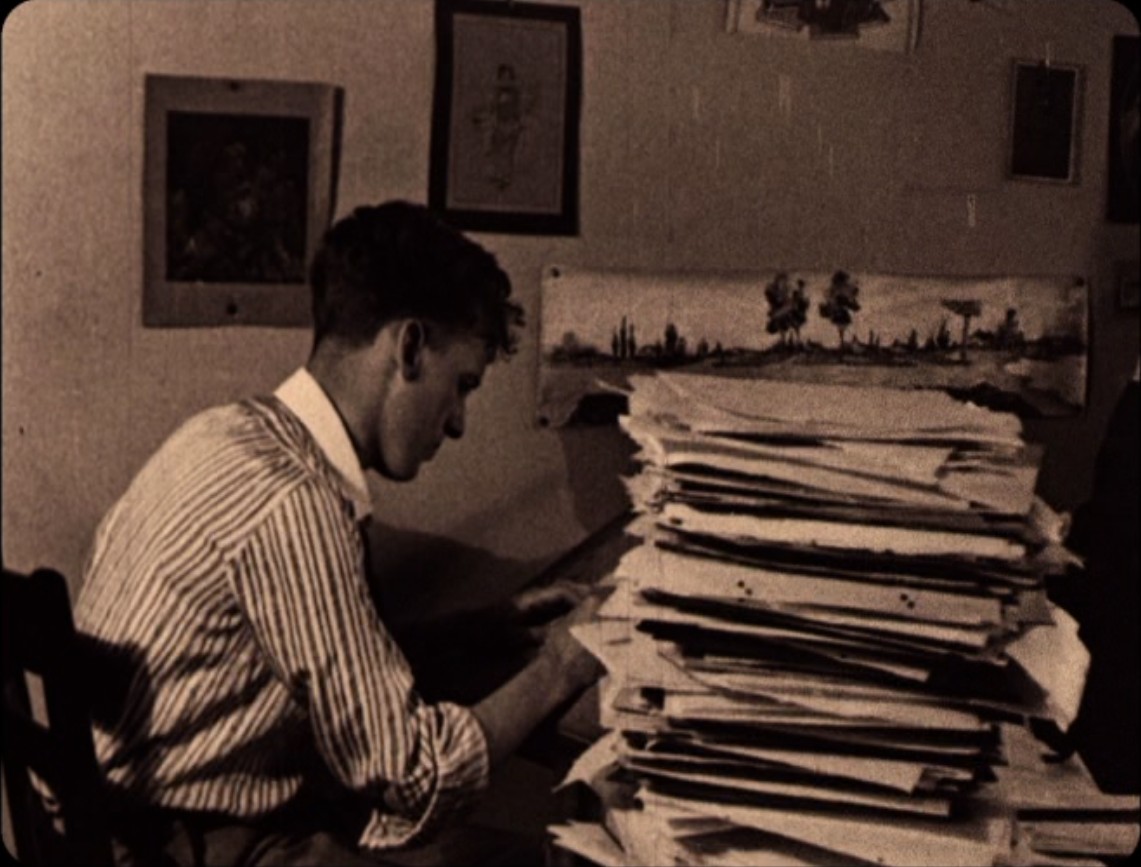
Young Wallace Carlson parodies his own work in a short funny film starring himself.
If anything the film shows that animating a cartoon is a lot of work. Most telling is the scene in which Carlson photographs a huge pile of animation drawings. The intertitle ’48 hrs later… ‘ says it all.
The cartoon itself, ‘Dreamy Dud’, which Carlson plays to an unimpressed John Randolph Bray , is not half as funny as the live action sequences, and only demonstrates that Carlson belongs to the lesser gods of animation. His animation style is crude and formulaic, with little sense of timing.
Watch ‘How Animated Cartoons Are Made’ yourself and tell me what you think:
‘How Animated Cartoons Are Made’ is available on the Blu-Ray-DVD combo ‘Cartoon Roots: The Bray Studios Animation Pioneers’
Director: Earl Hurd
Release date: April 23, 1919
Stars: Bobby Bumps and Fido
Rating: ★★★
Review:

‘Bobby Bumps’ Pup Gets the Flea-Enza’ is a funny take on the devastating Spanish Flu epidemic of 1918-1920. In this cartoon Bobby Bumps and Fido both think Fido’s got the influenza, while he only got a flea (depicted as a black devilish little man).
The humor is mild, but Earl Hurd once again demonstrates to be one of the best animators of the era. Every shot and move look smooth and elegant. The best gag may be the visit to the horse doctor.
‘Bobby Bumps’ Pup Gets the Flea-Enza’ is available on the Blu-Ray-DVD combo ‘Cartoon Roots: The Bray Studios Animation Pioneers’
Director: Otto Messmer
Release date: October, 1919
Stars: Charlie Chaplin
Rating: ★★
Review:

‘Charley at the Circus’ is an entry in Pat Sullivan’s Charlie Chaplin animated cartoon series.
As the title implies, the complete film takes place in a circus, and involves gags with Kewpie the Strong Woman, Mitzi the fat lady, a flea circus and a bearded lady, and Pauline the noseless goat. Notice the throwaway gag on the upcoming prohibition.
As with the other Charlie Chaplin shorts, the animation is crude and stiff, but at least this film profits from a running gag of a heavy guy chasing Charlie Chaplin. Nevertheless, there is no hint of greatness in this cartoon, and it’s clear that animator Otto Messmer still had to find his vibe.
‘Charley at the Circus’ is available on the Blu-Ray ‘Cartoon Roots: Otto Messmer’s Feline Follies’
Director: Otto Messmer
Release date: October, 1919
Stars: Charlie Chaplin
Rating: ★
Review:
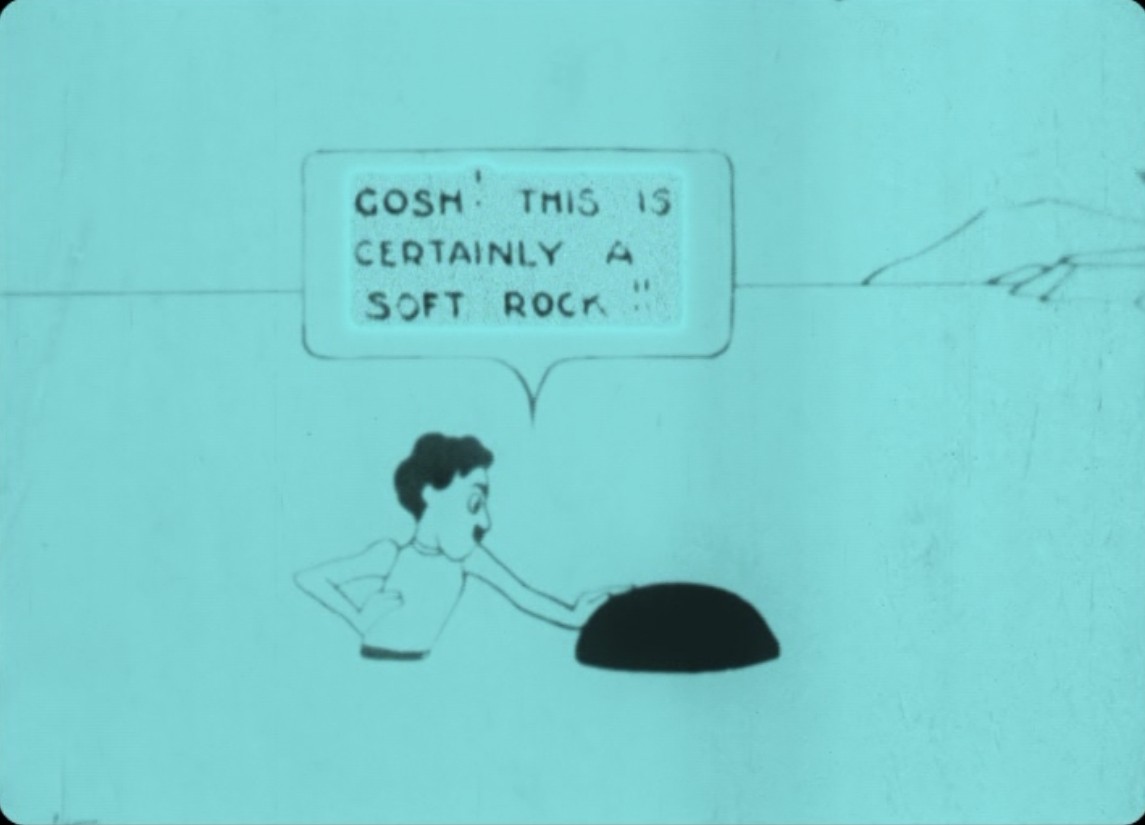
Pat Sullivan’s Charlie Chaplin animated shorts were a short lived series, spanning only two years (1918-1919) and about 16 films. ‘Charley at the Beach’ is one of the last and shows that some Charlie Chaplin’s mannerisms were transferred surprisingly well to the animated screen.
Indeed, Pat Sullivan’s Charlie Chaplin shorts were supported by the great comedian himself. Chaplin gave the animators thirty or forty photographs of himself in different poses and with these the animators could copy several of his movements. Sullivan’s prime animator was of course Otto Messmer, who a month later would create Felix the Cat.
According to Messmer his work on the Chaplin cartoons greatly influenced his work on Felix (Felix – The Twisted Tale of the World’s Most Famous Cat, p. 38), but to be honest, compared to the later Felix the cat cartoons, the animation on Charlie Chaplin is remarkably stiff and primitive. Moreover, in these Messmer makes a lot of use of text balloons, even when the images could speak for themselves, like in the hot dog scene.
‘Charley at the Beach’ is little more than a string of unrelated gags at the beach. Messmer even goes for some throwaway gags on fish. Unfortunately, several of the gags are misogynistic (Charlie Chaplin is a peeping Tom, and there’s some fat shaming) and one is even racist: when Charlie discovers a girl he fancies is black, he quickly swims away. The result is a pretty tiresome and boring film, and nowhere we can detect Messmer’s great talent, yet.
‘Charley at the Beach’ is available on the Blu-Ray ‘Cartoon Roots: Otto Messmer’s Feline Follies’
Director: Max Fleischer
Release date: October 14, 1919
Stars: Max Fleischer, Koko the Clown
Rating: ★★★
Review:

Max en Dave Fleischer were two true animation pioneers. In 1915 they invented the rotoscope, which they patented that year. With rotoscope they could capture live action movement as drawings on paper. Their first rotoscope tests featured Dave Fleischer in a clown suit, and these were the origin of Koko the Clown, star of ‘Out of the Inkwell’ series.
The two brothers started to make these shorts for J.R. Bray from 1919 on, but they only became a real series in 1920, and Koko got his name much later, in 1923. ‘The Tantalizing Fly’ is but the second ‘Out of the Inkwell’ short, yet it already shows the merit of rotoscope and the brothers’ imaginative way of storytelling.
In ‘The Tantalizing Fly’ Max Fleischer is hindered by a fly while drawing Koko. He tries to swat it, but hits Koko instead. Then it’s Koko’s turn. He tries to lure the fly by drawing a bald sitting man, but only manages in hitting the man instead of the fly.
The idea of an animator drawing a character is as old as animation itself, and clocking less than four minutes ‘The Tantalizing Fly’ is frustratingly short, leaving room for just a few gags, but Fleischer’s mix of animation, rotoscope and live action is fun to watch, and shows that the two brothers were among the most interesting animation film makers of their time.
Watch ‘The Tantalizing Fly’ yourself and tell me what you think:
‘The Tantalizing Fly’ is available on the Blu-Ray ‘Cartoon Roots: The Bray Studios Animation Pioneers’ and on the DVD-set ‘Popeye the Sailor 1933-1938’
Director: Earl Hurd
Release date: December 4, 1918
Stars: Bobby Bumps and Fido
Rating: ★★★½
Review:

In ‘Bobby Bumps Puts a Beanery on the Bum’ Bobby Bumps and Fido answer to an ad ‘boy wanted in to help in kitchen’ from the ‘Quick Lunch Beanery’.
What follows is a rather aimless string of gags, most remarkable of which is one in which Fido makes a cat eat its words by rolling up the cat’s speech balloon and shovel it down its throat. The cartoon ends all too abruptly, when Bobby pours ink over the cook who chased him out of the beanery.
More interesting than anything of this, however, is the opening scene in which a hand draws Bobby Bumps lying down in perfect perspective. Bobby Bumps helps the hand coloring him, only then follows Fido and the scenery. The Bobby Bumps cartoons were drawn elegantly anyhow, making them stand out of the 1910s crowd, and even though ‘Bobby Bumps puts a Beanery on the Bum’ isn’t the best entry in the series, in this respect it’s now exception.
Watch ‘Bobby Bumps Puts a Beanery on the Bum’ yourself and tell me what you think:
‘Bobby Bumps Puts a Beanery on the Bum’ is available on the DVD-set ‘Popeye the Sailor 1933-1938’
Director: Eric Goldberg
Date: 1974
Rating: ★★★
Review:

‘Good Old Fashioned Cartoon Violence’ is another gag cartoon made by top animator Eric Goldberg when he was still in his teens.
In this black and white cartoon a cartoon figure watches a Tom & Jerry like violent cartoon on television. Immediately after that, cartoon violence starts happening to him, too. It only ends when the poor guy shoots his creator (a nice self caricature of Goldberg).
This is not really a funny or good cartoon, but Eric Goldberg’s talent is unmistakable.
‘Good Old Fashioned Cartoon Violence’ is available on the DVD ‘Giants’ First Steps’
Director: Nick Park
Date: 1978
Rating: ★★★
Review:
The interesting aspect of the DVD ‘Giants’ First Steps’ is that it shows well known animators and animation directors were not always that good. They had to start somewhere, and their early films show where they already succeeded and where they faltered.
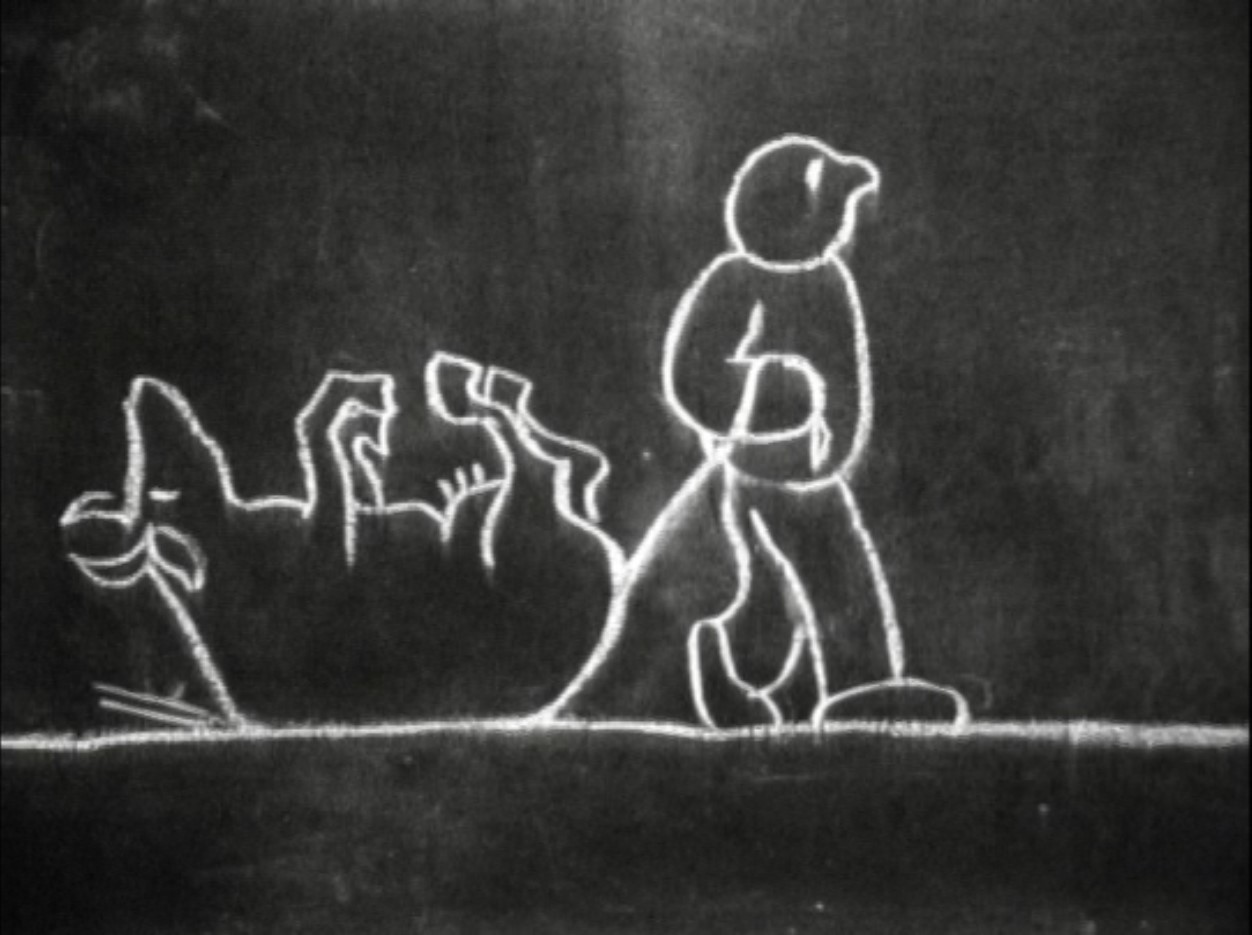
With the charcoal animation of ‘Jack and the Beanstalk’ (made at the Sheffield Art School) Nick Park returns to the very origin of animation, with its earliest films using a blackboard. Nick Park retells the classic fairy tale in an original, stream of consciousness-like manner, with a lot of metamorphosis and weird sound effects.
Even though Park’s animation is crude, the film is pleasantly odd and original throughout. For example, Jack shoots a cow from the sky, and puts in a vending machine to obtain his magic bean, which turns out to be huge. My favorite part is a little guy talking gibberish into a microphone before the titles appear.
Park, of course, would later become world famous with his ‘Creature Comforts’ and Wallace and Gromit films, made at Aardman.
‘Jack and the Beanstalk’ is available on the DVD ‘Giants’ First Steps’
Director: Mirosław Kijowicz
Release date: 1971
Rating: ★★★
Review:
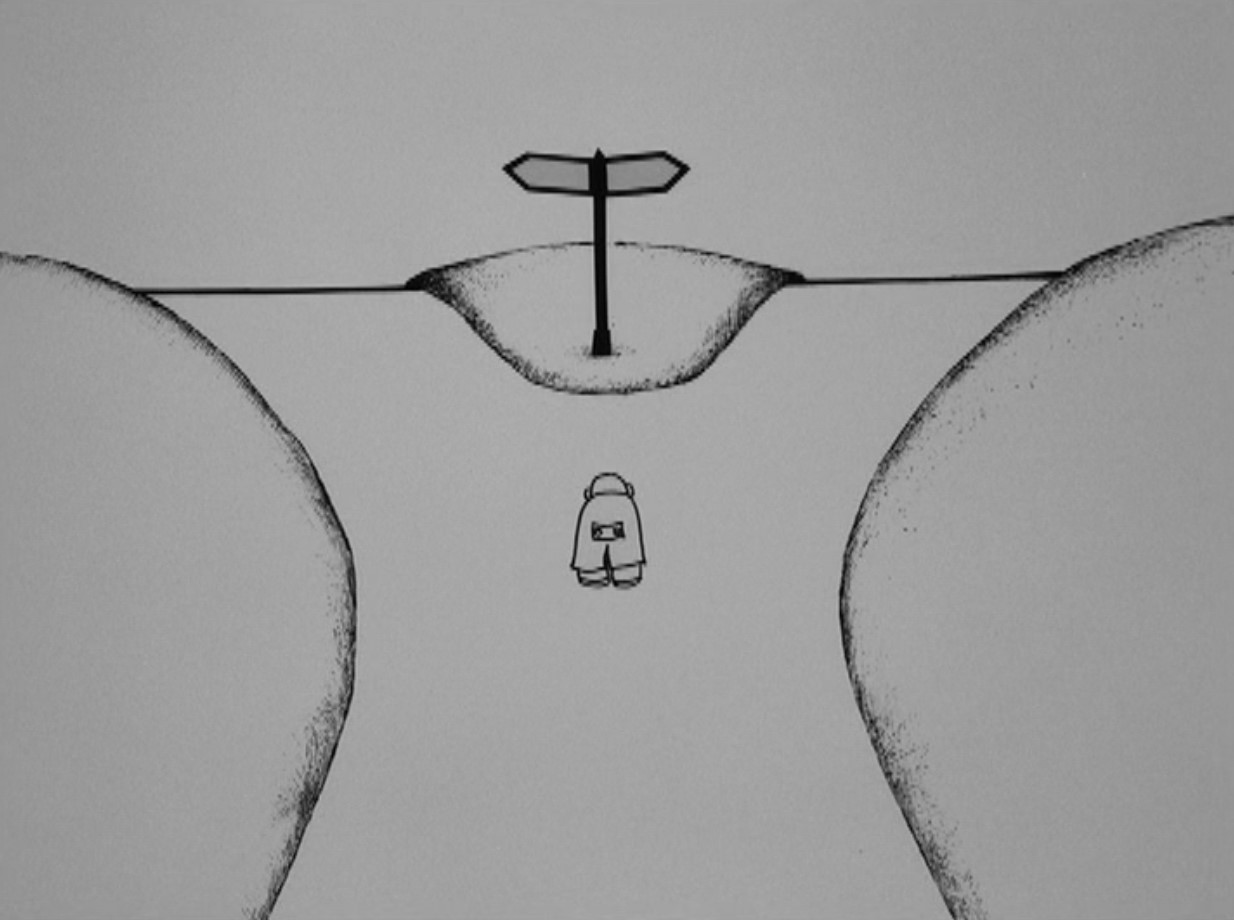
‘The Road’ is a simple little black and white film about a man walking a road, but then he faces a fork in the road.
According to IMDb this is a parable on how choices have consequences, and I can see something in that. Nevertheless the film may be a little too simple, making its message rather vague and puzzling. For example, we only see the man from the back, and only the second choice he has is clearly motivated, with help from a text balloon. Nevertheless, ‘The Road’ is a charming example of the experimental approach to animation in Poland.
Watch ‘The Road’ yourself and tell me what you think:
‘The Road’ is available on the DVD-set ‘Anthology of Polish Animated Film’
Director: Marcell Jankovics
Release date: May 27, 1977
Rating: ★★★★
Review:

‘The Struggle’ is as short as Jankovics’s previous film, ‘Sisyphus’ (1974), and again in black and white. This time Jankovics uses pencil on a white canvas to depict a sculptor sculpting a human figure. But then the sculpture itself starts sculpting back…
Jankovics’s design is very realistic, and his animation of the highest quality, but the film is less interesting to look at than ‘Sisyphus’ because this time Jankovics shows more than he suggests. Nevertheless, this is a clever little film that like ‘Sisyphus’ shows that Jankovics was one of the greatest and most interesting animators ever.
Watch ‘The Struggle’ yourself and tell me what you think:
‘The Struggle’ is available on the Blu-Ray of ‘Son of the White Mare’
Director: Marcell Jankovics
Release date: 1974
Rating: ★★★★
Review:
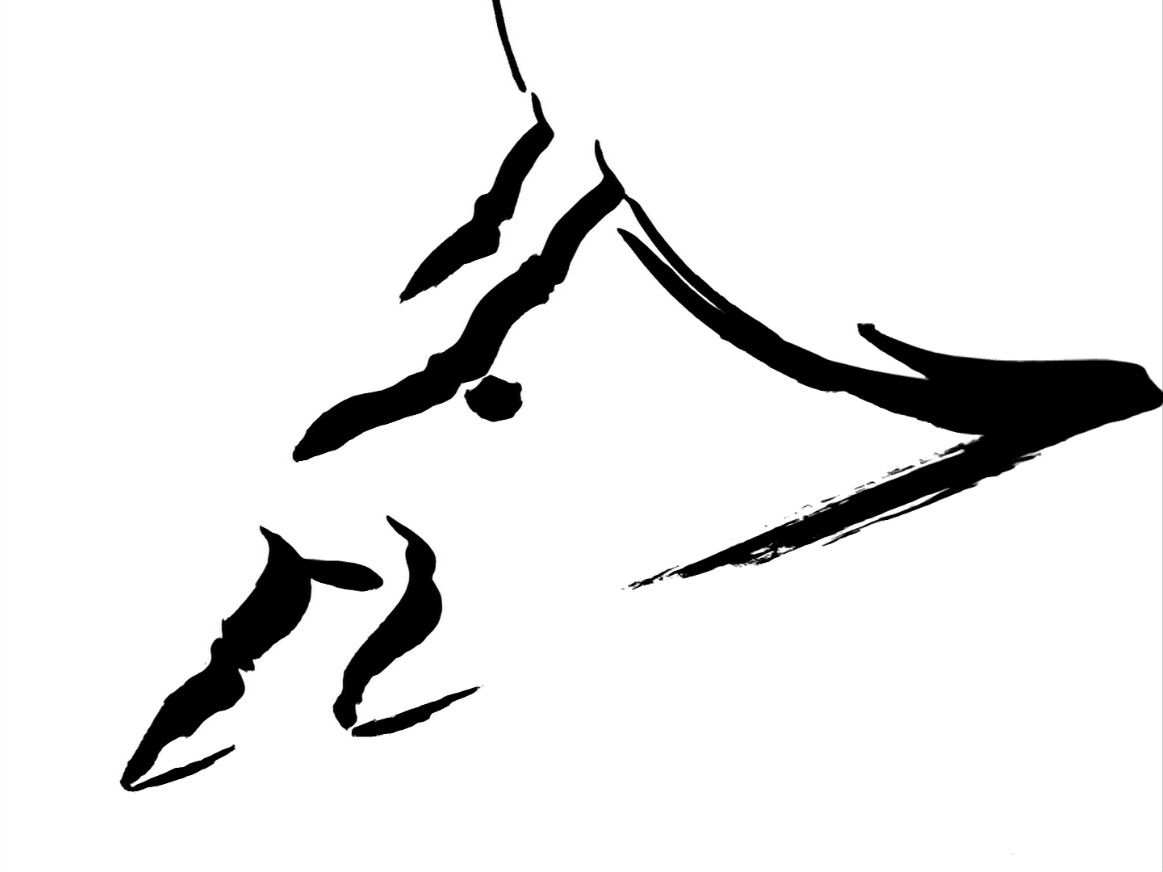
‘Sisyphus’ is a very short animation film, which is indeed about a man pushing a large rock up a steep hill.
The animation is done in black pen on white paper, and there’s no background art whatsoever. Most impressive is Jankovics’s animation: his command of the human form is formidable, and of the suggestion of muscles pushing up an enormous weight absolutely convincing. What’s even more wonderful is that the man is rendered in various variations of abstraction, from quite realistic to only suggestive splashes of ink. The soundtrack, with its very heavy breathing and growning, maybe a little too much, but this short is a wonderful example of the marvelous things animation can do.
Watch ‘Sisyphus’ yourself and tell me what you think:
‘Sisyphus’ is available on the Blu-Ray of ‘Son of the White Mare’
Director: Ryszard Czekała
Release date: 1970
Rating: ★★★★½
Review:

If ‘Syn‘ was an unsettling watch, ‘Apel’ is no less than a grueling. Set in a German concentration camp, the film shows a Nazi officer commanding a large group of prisoners to bow and to rise, over and over again. Then one of them refuses to bow…
‘Apel’ is an extreme film, not only in concept, but also in execution. Czekała uses very original cinematography and extreme ‘depth of field’, with large parts of his drawing being out of focus. Especially the shot in which the Nazi officer walks by rows and rows of people is particularly impressive, and it’s unclear to me how Czekała reached this effect. The film is as bleak as can be, and quite an unpleasant watch, but Czekała’s mastery of the animated form is undeniable.
Watch ‘Apel’ yourself and tell me what you think:
‘Apel’ is available on the DVD-set ‘Anthology of Polish Animation’ and on the DVD box ‘Annecy – Le coffret du 50e Anniversaire’
Director: Ryszard Czekała
Release date: 1970
Rating: ★★★
Review:
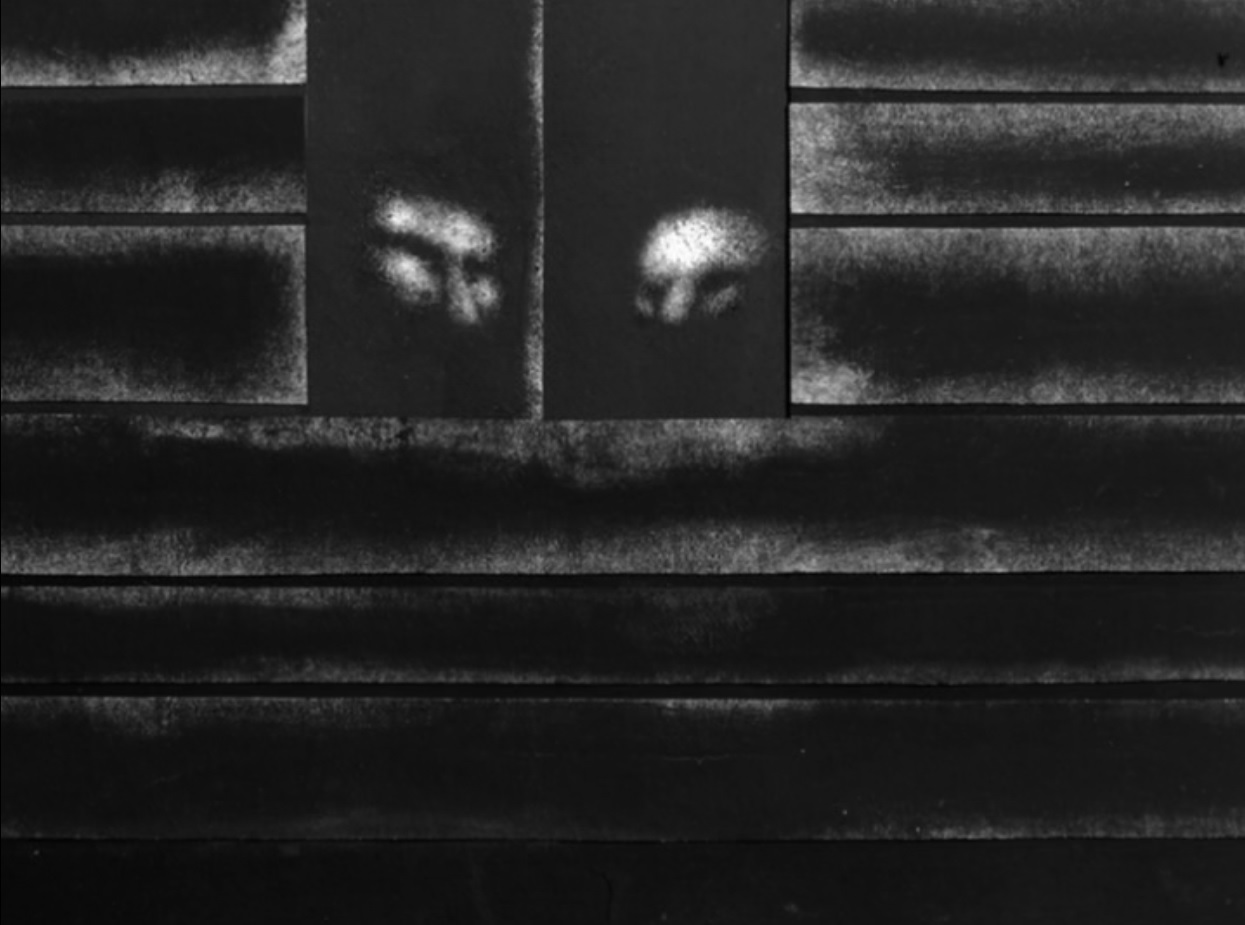
In ‘Syn’ (The Son) an old couple at the countryside wait for their son, who has gone off to lead a different life in the city. But when he arrives at his parental home, his visit turns out to be a deception.
‘Syn’ shows Ryszard Czekała’s original style: the film is in black and white, and features a very original cinematography: altering extreme close-ups of hands, ears and such with strange depictions of the barren wintery landscape, with the ground filling up almost the complete frame.
The story is told without dialogue, and because of Czekała’s extreme graphical style, rather hard to follow. Most striking is the sound design, which arguably is as important as the imagery. The result is a puzzling, but quite unsettling and bleak short.
Watch ‘The Son’ yourself and tell me what you think:
‘The Son’ is available on the DVD-set ‘Anthology of Polish Animation’
Director: Martin Georgiev
Release Date: October 17, 2012
Rating: ★★★
Review:
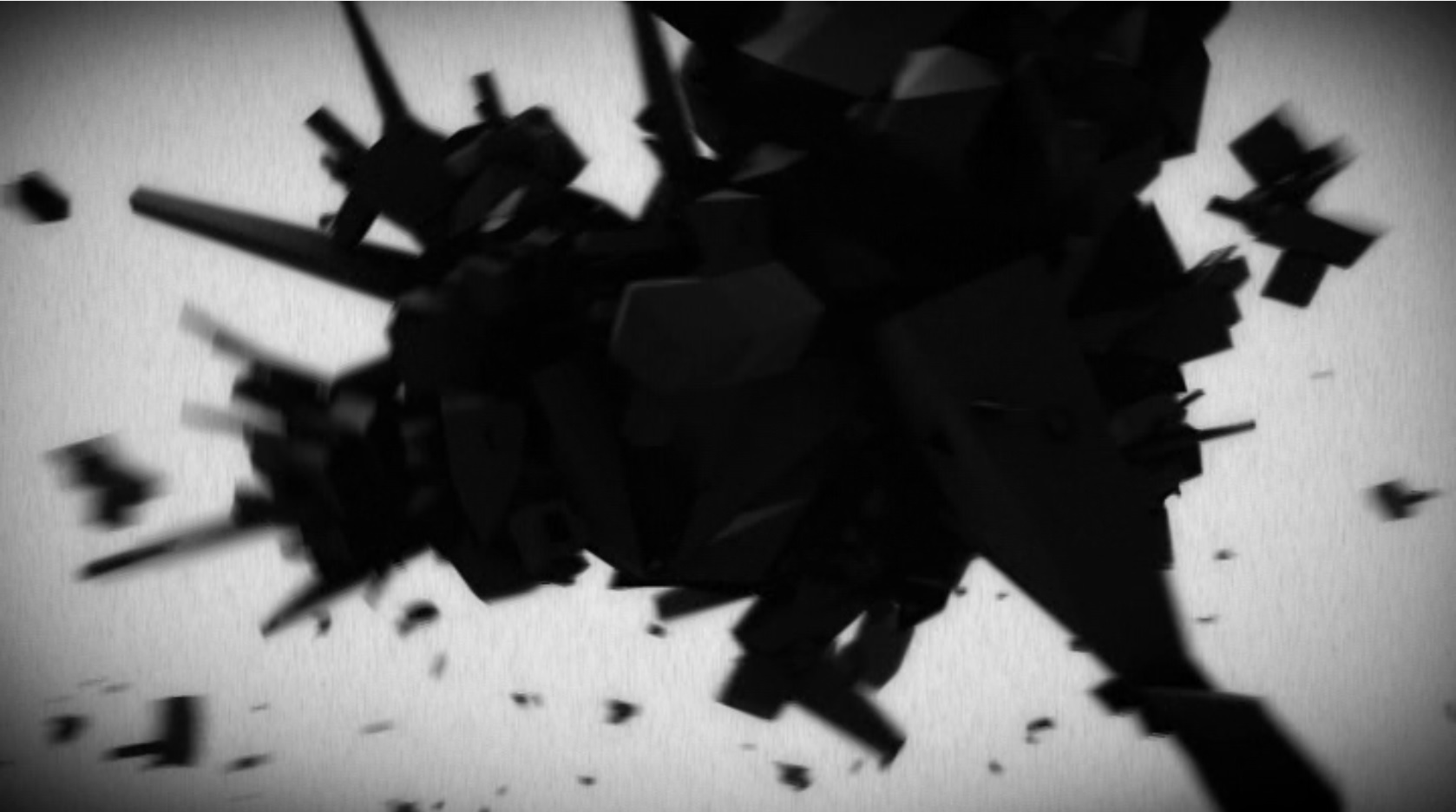
‘7596 Frames’ is a computer animated film taking place in an endless black and white landscape, in which countless abstract black shapes fly by due to an extraordinarily strong current.
One of the abstract shapes crashes amidst the debris already present, and starts to wander against the never changing wind, gaining material as it walks along, as objects keep on flying into him. When the semi-abstract figure has grown too heavy for its legs to carry it collapses, but manages to become a more dragon-like shape. At this point it comes under attack, and in the end its struggle is in vain.
At points Martin Georgiev manages to give his semi-abstract forms real character, allowing the viewer to sympathize with the creature’s helpless struggle and its suffering before its final defeat. The camera is never still, and takes some striking positions to show the creature’s efforts, e.g. taking a worm’s-eye view to show the thing towering above. Less successful is the industrial music, which unfortunately adds nothing to the animation.
Watch a preview of ‘7596 Frames’ yourself and tell me what you think:
‘7596 Frames’ is available on The Animation Show of Shows Box Set 9
Directors: Frank Braun & Claudius Gentinetta
Release Date: July 16, 2010
Rating: ★★★★½
Review:
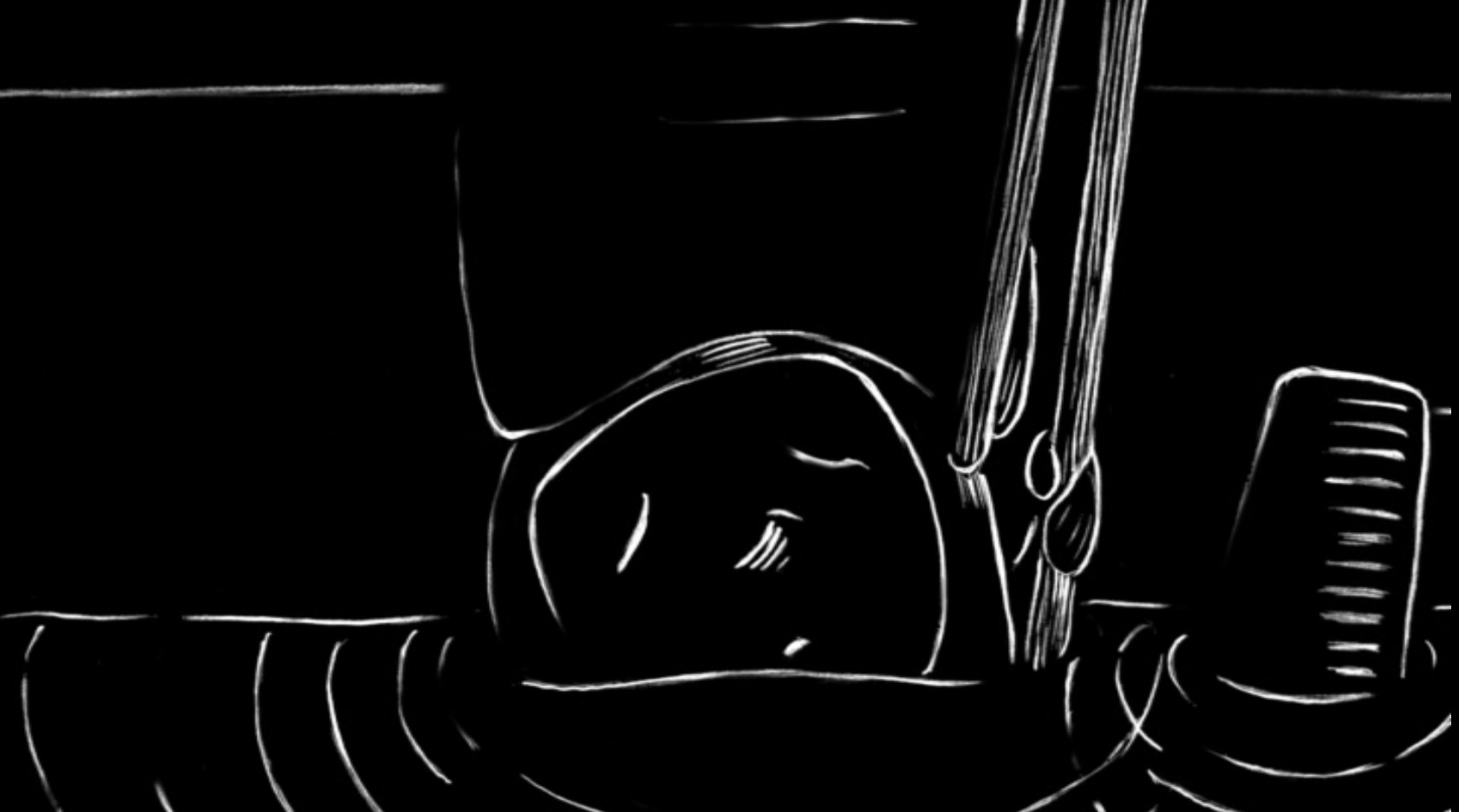
‘Schlaf’ is a black and white film using white lines on a black canvas. The film is very poetic and follows the rhythm of a snoring person, with images alternatingly speeding past the camera, or being more or less calm, allowing the viewer to register what’s in them.
Once one realizes he watches an enormous ocean liner full of people with oars, one also notes the ship is sinking, as if the ship depicts the sleeping person’s consciousness drowning into a sea of sleep. The idea is so strikingly original and its execution so well done, ‘Schlaf’ easily holds the attention throughout, despite the puzzling imagery.
Watch ‘Schlaf’ yourself and tell met what you think:
‘Schlaf’ is available on The Animation Show of Shows Box Set 9
Director: Craig Welch
Release Date: 1996
Rating: ★★★½
Review:
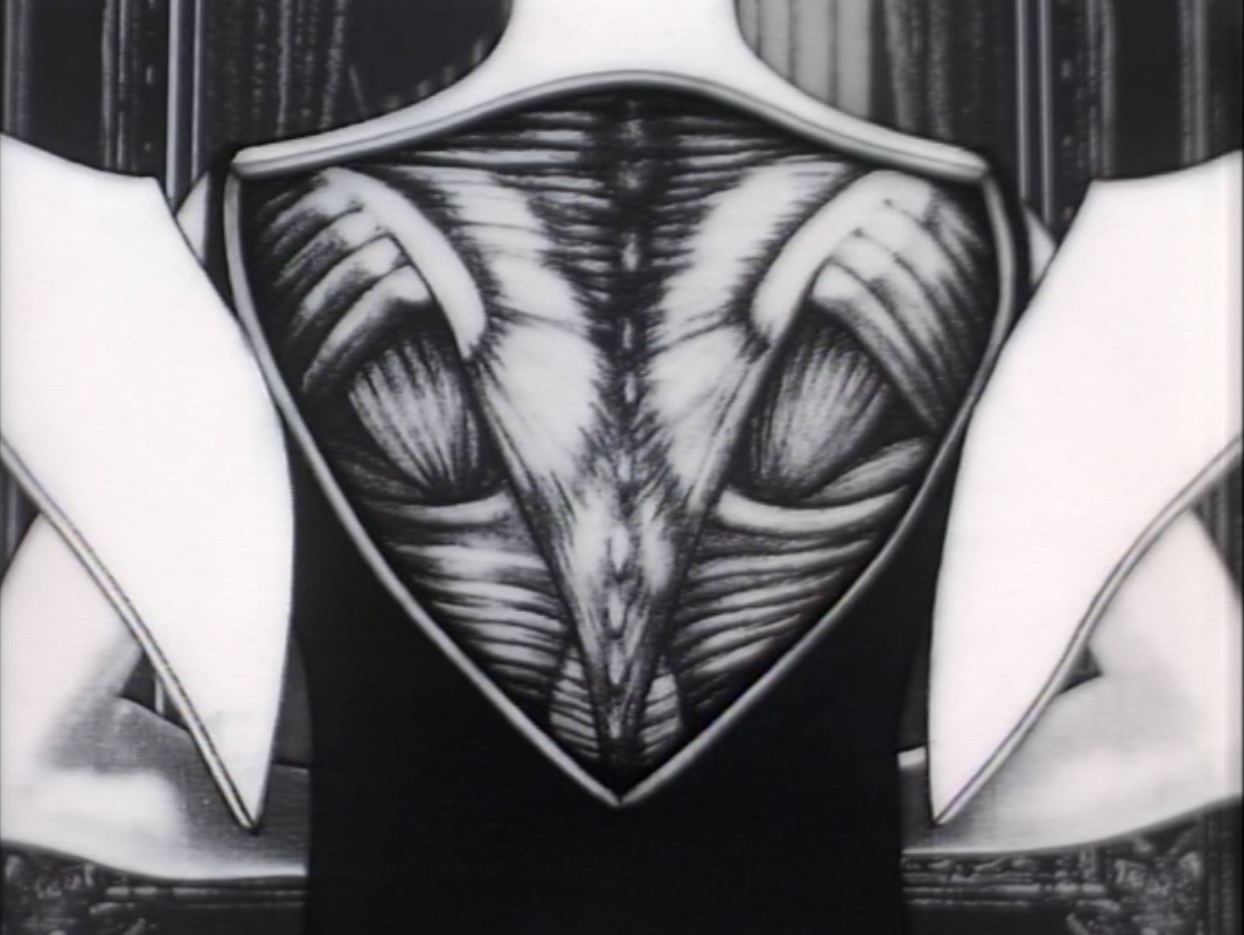
In ‘How Wings Are Attached to the Backs of Angels’ Craig Welch combines traditional animation, cut-out animation and pixilation to tell a puzzling but ominous tale about a man obsessed with contraptions and redesigning humans into angels. In one of his contraptions he attaches wing bones to a skeleton, but then a real woman (the pixilated actress Louise Leroux) appears…
Most disturbing is the scene in which the man caresses the woman’s shoulder blades, imaging their inner workings. The discomfort is enhanced by the use of a real woman. Welch’s cinematic style seems to be influenced by that of Raoul Servais and Terry Gilliam, and shares a high level of surrealism with these celebrated film makers. The animator certainly knows how to show and don’t tell; his film retains a morbid atmosphere throughout, all by suggestion and by clever cutting.
Watch ‘How Wings Are Attached to the Backs of Angels’ yourself and tell me what you think:
‘How Wings Are Attached to the Backs of Angels’ is available on the DVD ‘Desire & Sexuality – Animating the Unconscious Vol.2’
Director: Tim Burton
Release Date: September 20, 2012
Rating: ★★★½
Review:

‘Frankenweenie’ was the third horror-themed animated feature of 2012, after ’ParaNorman’ and ’Hotel Transylvania’. Based on a short live action film director Tim Burton made way back in 1984 when still working at Disney, Again made at Disney, the new ‘Frankenweenie’ is obviously an ode to classic horror cinema, and to ‘Frankenstein’ from 1931 in particular.
Indeed, the references to other films are all over the place, and as horror is not my specialty, I’m sure I have not nearly caught half of them. It already starts with the town’s name, ‘New Holland’, which is a direct reference to the Dutch settlement in which Irving Washington’s tale of horror ‘The Legend of Sleepy Hollow’ (1820) takes place.
Main protagonist Victor’s surname is Frankenstein. His eccentric science teacher takes after horror actor Vincent Price, while Edgar, one of his school mates, looks like the hunchbacked Fritz in ‘Frankenstein’. Another school mate looks like a mix between Buster Keaton and the monster of Frankenstein, and so on and so forth. In the finale Burton even throws references to 1950s movie monsters into the mix, unfortunately diluting the theme on the way.
In any case ‘Frankenweenie’ suffers from a lack of focus. Not only can’t Burton stick to the Frankenstein theme, but his film is also stuffed with ideas that lead nowhere. For example, there’s an evil neighbor, whose role is hardly played out. He lives up to a festival day called ‘Dutch Day’, but again very little is done with the concept. This neighbor guards one Elsa van Helsing (yes, there’s another reference), a probable love interest to Victor, but this story idea isn’t developed beyond conception. Then there’s the father who worries Victor becomes too weird – and again, this story idea is only used to get the story at the point at which Victor can revive his deceased dog, after which this subplot never returns.
There’s a particularly large number of villains in this film: the neighbor is evil, Edgar is evil, Toshiaki (yet another of Victor’s schoolmates) is evil, but like the other story elements their particular stories are touched, not played out. We mostly learn that reviving animals apparently is deadly easy. Best of the oddball characters that fill the film is a wide-eyed girl with a cat that prophecies in its poo.
Tim Burton certainly has indulged in stuffing his film with references, but what he wanted to tell with his story is less clear. There’s even a completely idiotic message (voiced by Victor’s science teacher) that science can only succeed when you put your heart into it. Really?! If you’d believe this, you’d believe science is more like magic than a method.
Despite the weak story, the film’s finale consists of twenty minutes of pure action and excitement, ending in a burning windmill (yes, echoing ‘Frankenstein’). This sequence is full of stunning cinematography and complex sets. There’s even a moment of real horror, including a scare moment. Unfortunately, after the action sequence the films ends forced and cliché with e.g., an applauding crowd, missing an opportunity for a more intelligent and daring ending.
It’s a shame ‘Frankenweenie’ doesn’t deliver story-wise, for the film’s looks are a delight. In design ‘Frankenweenie’ is clearly the successor of Burton’s earlier and similarly horror-themed stop-motion films, ‘The Nightmare Before Christmas’ (1993) and, more obviously, ‘Corpse Bride’ (2005). Like in those earlier films, the puppets are top-heavy, with long slender limbs. But unlike these two earlier films, ‘Frankenweenie’ is no musical, and Burton made the bold move to film this movie in black and white, enhancing the classic feel. The cinematography is at times no less than marvelous, like in the reviving scene, or the scenes at the graveyard.
The animation is fine, but sometimes on the bland side, especially on Victor’s parents and secondary characters, whose expressions are too often rather empty gazes. Moreover, nowhere do the animators manage to blow genuine feelings into the puppets (most of the characters are just weird anyway), and the film lacks proper emotion, even in its most desperate scenes.
‘Frankenweenie’ is not a bad film, it’s too well crafted for that, but when compared to Burton’s earlier movie ‘Corpse Bride’ or to Laika’s contemporary and comparable ‘ParaNorman’ it just falls short on its potential. Especially ‘ParaNorman’ does well what ‘Frankenweenie’ does not: staying focused, spinning a tale with a clear message, building characters you care for, and giving the film a surprising twist. At least we should be thankful that 2012 brought us no less than two stop motion features, keeping the old technique alive and kicking in a sea of computer animation.
Watch the trailer for Frankenweenie’ yourself and tell me what you think:
’Frankenweenie’ is available on Blu-Ray and DVD


 Dr. Grob's Animation Review