
You are currently browsing the category archive for the ‘Poland’ category.
Director: Walerian Borowczyk
Release date: December 1963
Rating: ★★★★★ ♕
Review:
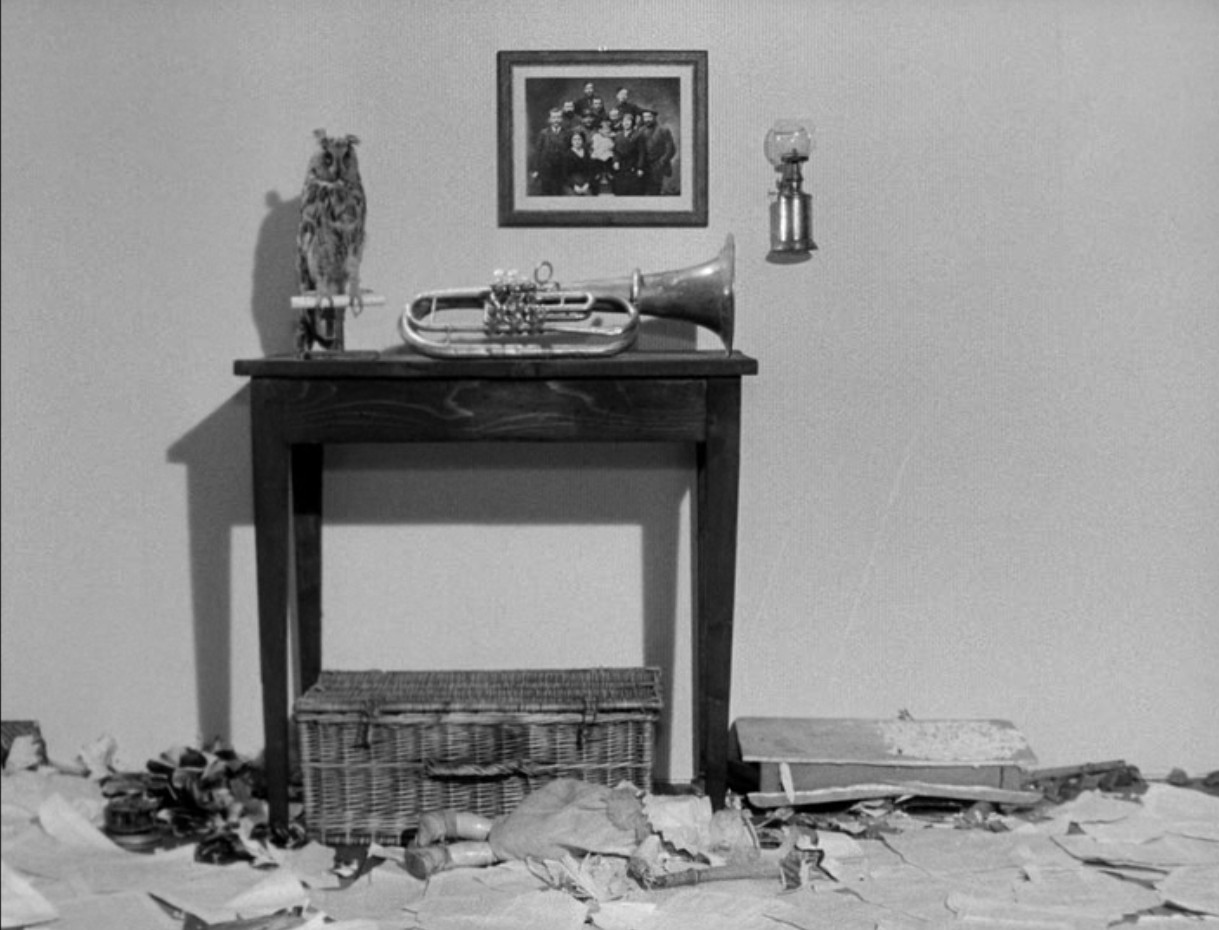
‘Renaissance’ must be counted among Walerian Borowczyk’s best and most powerful works. Instead of the silliness of ‘Les Astronautes‘ and ‘Encyclopédie de Grand-Maman‘, ‘Renaissance’ is a powerful stop-motion film on destruction.
The short starts bleak enough with the scene of a completely destroyed chamber. But then the objects in the room start to reassemble themselves…
Borowczyk’s command of stop-motion and reverse film making is astonishing, and although the tricks used are as old as cinema itself, these are used to an impressive effect, greatly enhanced by the soundtrack with all its crystal clear sounds. The whole surreal atmosphere looks forward to Jan Švankmajer’s stop-motion works, as does the morbid atmosphere.
Watch ‘Renaissance’ yourself and tell me what you think:
‘Renaissance’ is available on the Blu-Ray/DVD set ‘Walerian Borowczyk: Short Films and Animation’
Director: Walerian Borowczyk
Release date: June 1963
Rating: ★★★★
Review:
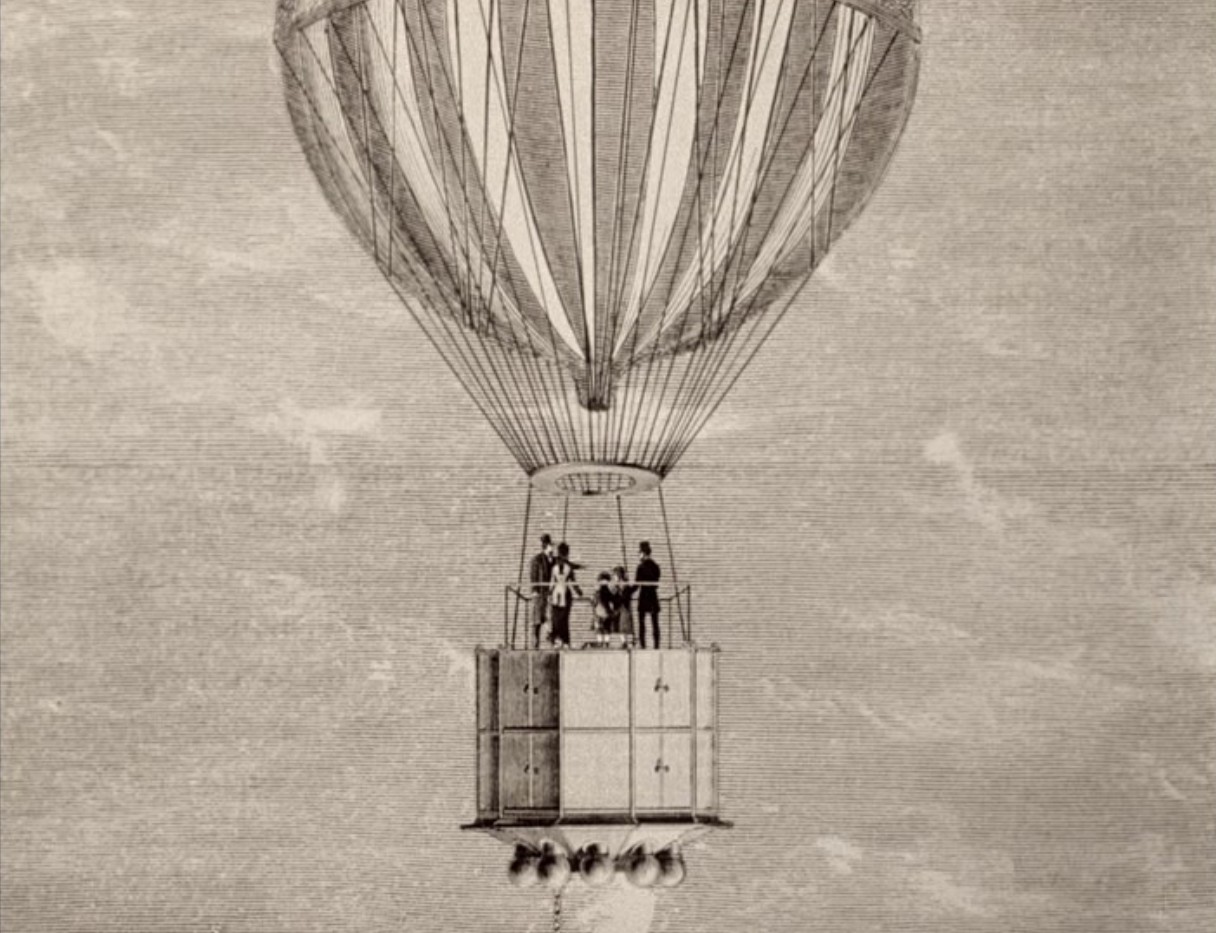
With ‘Encyclopédie de Grand-Maman’ Borowczyk continues the silly surrealism of ‘Les Astronautes‘ from 1959. Although we are promised 13 volumes, we only watch three words from the Encyclopédie: A is for automobiles, B for Balloons and C for Chemin de fer (Railways).
The film uses 19th century engravings to a great effect, especially the car race in ‘Automobiles’ is as inventive as it is entertaining. Borowczyk makes clever use of his source material, and the animation is greatly helped by the stark sound effects. These aspects make ‘Encyclopédie de Grand-Maman’ a fun film, if not more than that.
Watch ‘Encyclopédie de Grand-Maman en 13 Volumes’ yourself and tell me what you think:
‘Encyclopédie de Grand-Maman en 13 Volumes’ is available on the Blu-Ray/DVD set ‘Walerian Borowczyk: Short Films and Animation’
Director: Walerian Borowczyk
Release date: 1962
Rating: ★★
Review:
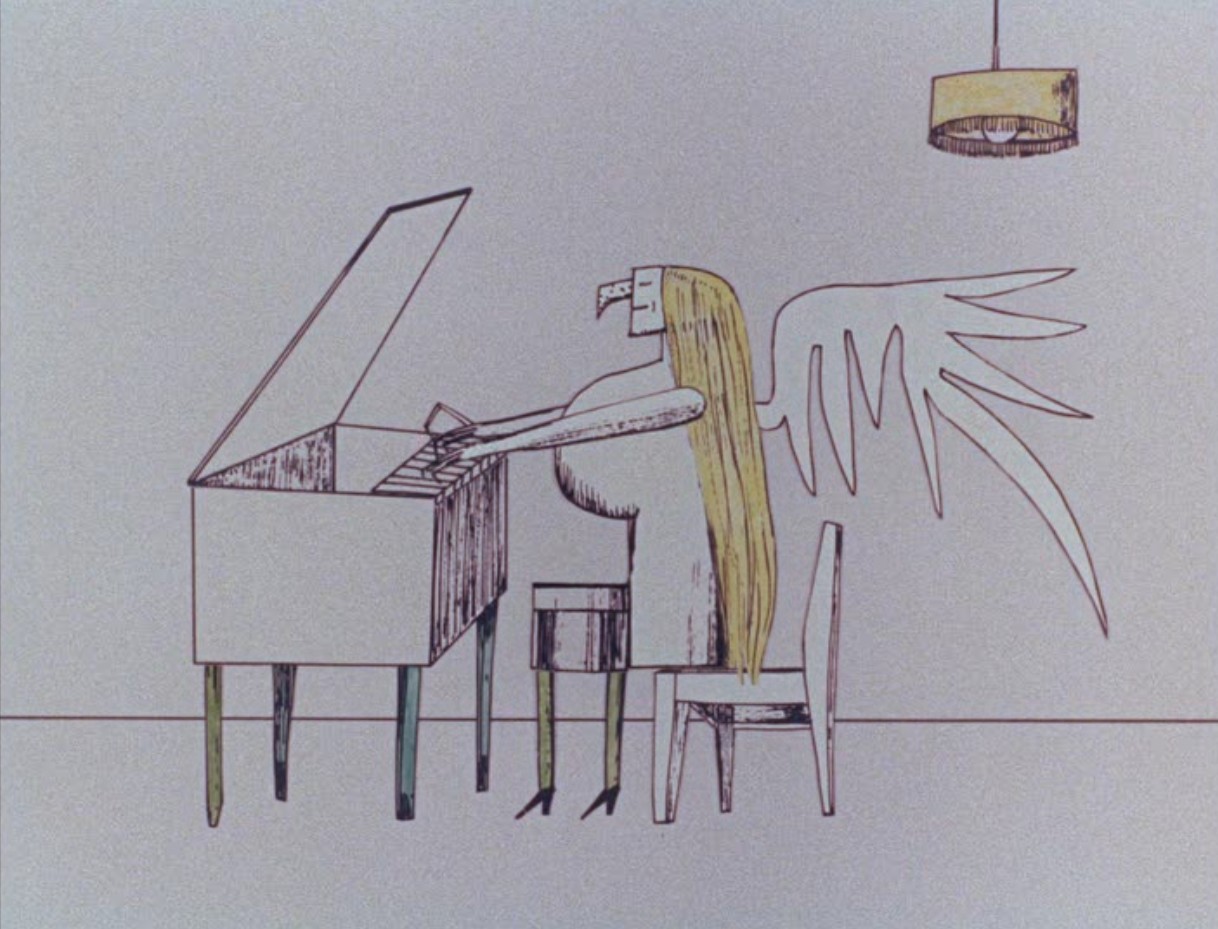
‘Concert’ stars Monsieur and Madame Kabal from the later feature film ‘Théâtre de Monsieur & Madame Kabal’ from 1967. This couple, a short man who constantly drinks and a grotesque tall woman with a hooked nose, are known for their domestic violence, and ‘Concert’ is no exception. When Madame Kabal catches Monsieur Kabal snoring through her piano recital her revenge is severe.
Unfortunately, Borowczyk’s cut-out animation is crude and emblematic, and even the violence is rather abstract. Even worse, a lot of time is wasted on less interesting scenes. Moreover, Monsieur and Madame Kabal are neither interesting or appealing characters and Borowcyk does nothing to establish their relationship. Thus, it doesn’t interest the viewer at all what happens to them on the screen, a problem that also haunts Borowczyk’s feature animation film.
Luckily, the next year Borowczyk would prove he could do much better with ‘Encyclopédie de Grand-Maman en 13 Volumes ‘ and especially the dark stop-motion short ‘Renaissance‘.
Watch ‘Concert’ yourself and tell me what you think:
‘Concert’ is available on the Blu-Ray/DVD set ‘Walerian Borowczyk: Short Films and Animation’
Director: Walerian Borowczyk
Release date: 1959
Rating: ★★★
Review:
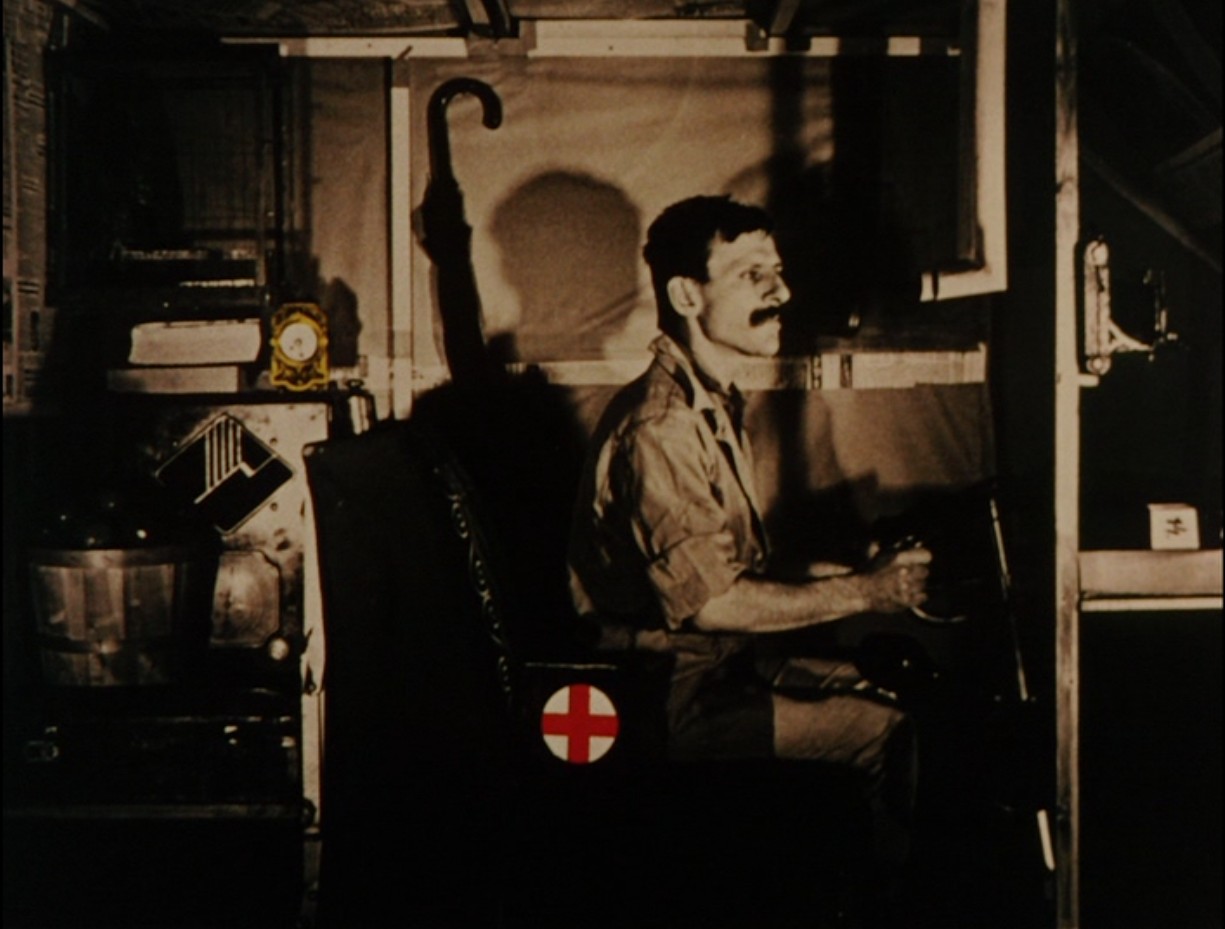
‘Les Astronautes’ was the first film the Polish film maker Walerian Borowczyk made in France. In this short a mustached inventor with a pipe builds his own spaceship.
This film is as surreal as it is silly and it consist of several hardly related gags. For example, the first thing the man does with his spaceship is spying on a woman dressing. Throughout, Borowczyk combines pixilation and cut-out animation of hand-colored photographs to a great effect. The surreal atmosphere is enhanced by Andrzej Markowski’s electronic score and sounds.
‘Les Astronautes’ may be of little substance, it’s an entertaining film, nonetheless.
Watch ‘Les Astronautes’ yourself and tell me what you think:
‘Les Astronautes’ is available on the Blu-Ray/DVD set ‘Walerian Borowczyk: Short Films and Animation’
Director: Daniel Szczechura
Release date: 1963
Rating: ★★★
Review:

‘The Chair’ is another film subtly criticizing communist society as it was imposed on Poland at the time. Apart from the intro, the film is completely filmed from above, and features a conference.
At one point one of the conference leader’s chairs remains unoccupied, and members from the audience are invited to fill the spot. But the other audience members don’t allow each other to get to the stage, and the volunteers are hindered and blocked everywhere. Yet, one does make it, and is accepted due to his clever entrance.
The idea of ‘The Chair’ is as simple as it is well executed. Again, I am surprised the film got past the censors, as it clearly criticizes the oppressive system.
Watch ‘The Chair’ yourself and tell me what you think:
‘The Chair’ is available on the DVD-set ‘Anthology of Polish Animated Film’
Director: Witold Giersz
Release date: 1963
Rating: ★★
Review:
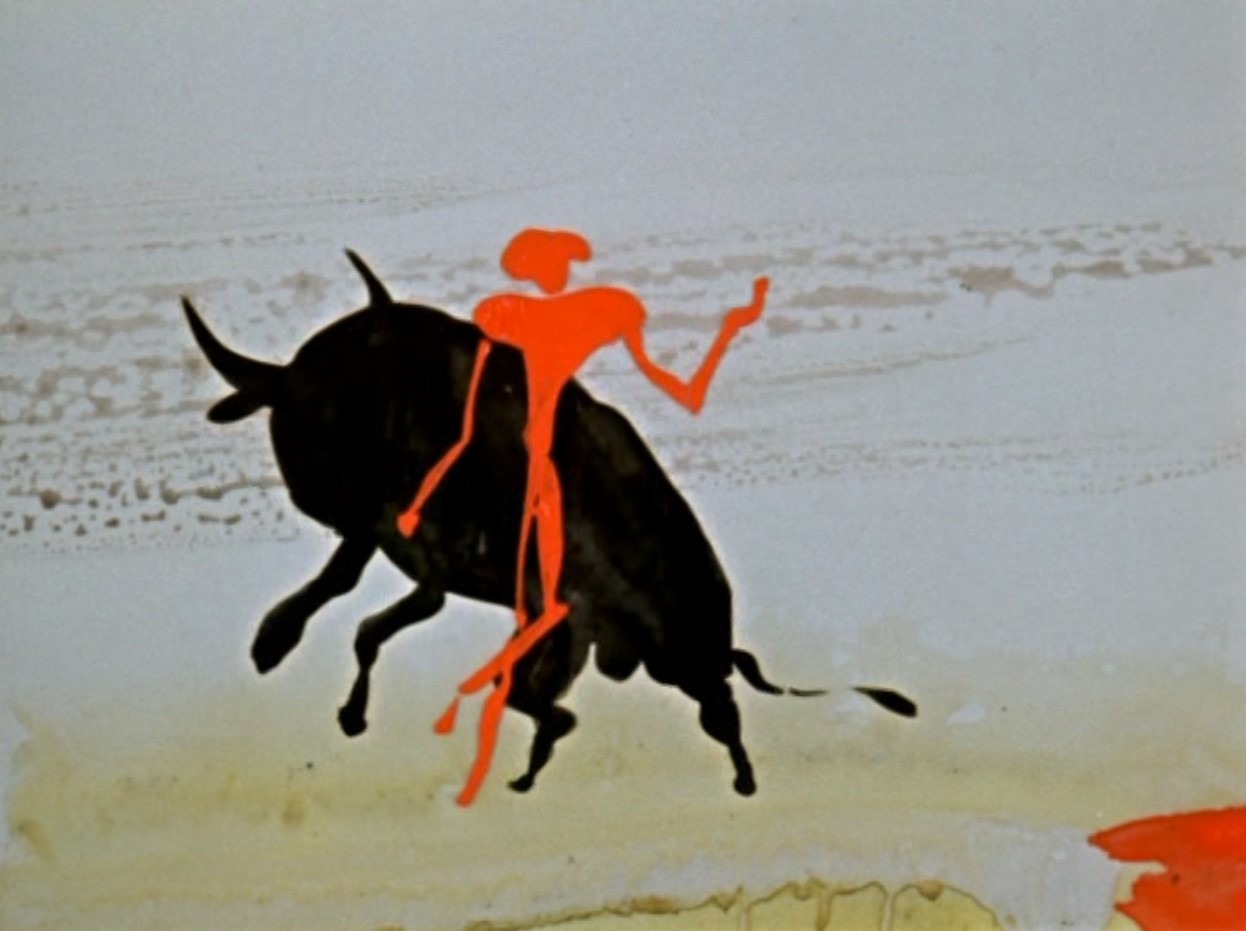
‘The Red and the Black’ is a rare attempt at a gag cartoon in a Polish studio. True, the film’s designs are no less avant-garde as that of other contemporary films from the era, this time featuring highly abstracted painted characters, but unlike his countrymen, Witold Giersz aims at laughs.
The film is an addition to a long canon of bullfighting cartoons, with the Red being the bullfighter, and the black being the bull. There are some fine gags, like the two drinking beer together, or the bull suddenly revealing the film makers, but the characters and the action remain emblematic, and Giersz has no sense of timing, so the gags all fall flat. Thus, despite some clever ideas, ‘The Red and the Black’ is a rather tiresome watch, and the film well overstays its welcome.
Watch ‘The Red and the Black’ yourself and tell me what you think:
‘The Red and the Black’ is available on the DVD-set ‘Anthology of Polish Animated Film’
Director: Kazimierz Urbański
Release date: 1962
Rating: ★★
Review:

‘Playthings’ is a film on fighting. The film knows only monochrome yellow and red backgrounds and silhouetted, abstracted human figures and weapons.
The film starts with some designs based on ancient cave paintings. We watch a group of human figures hunt a deer. When one is killed, another group of more tangram-like humans, arrives, and the fighting starts, with more and more advanced weaponry, like cannons, machine guns, tanks, bomber planes. As can be expected, in the end everybody is killed by a giant, probably nuclear explosion. The message of ‘Playthings’ is crystal clear, but the short is too one-dimensional to make a lasting impression.
Watch ‘Playthings’ yourself and tell me what you think:
‘Playthings’ is available on the DVD-set ‘Anthology of Polish Animated Film’
Director: Jan Lenica
Release date: 1961
Rating: ★★★★
Review:
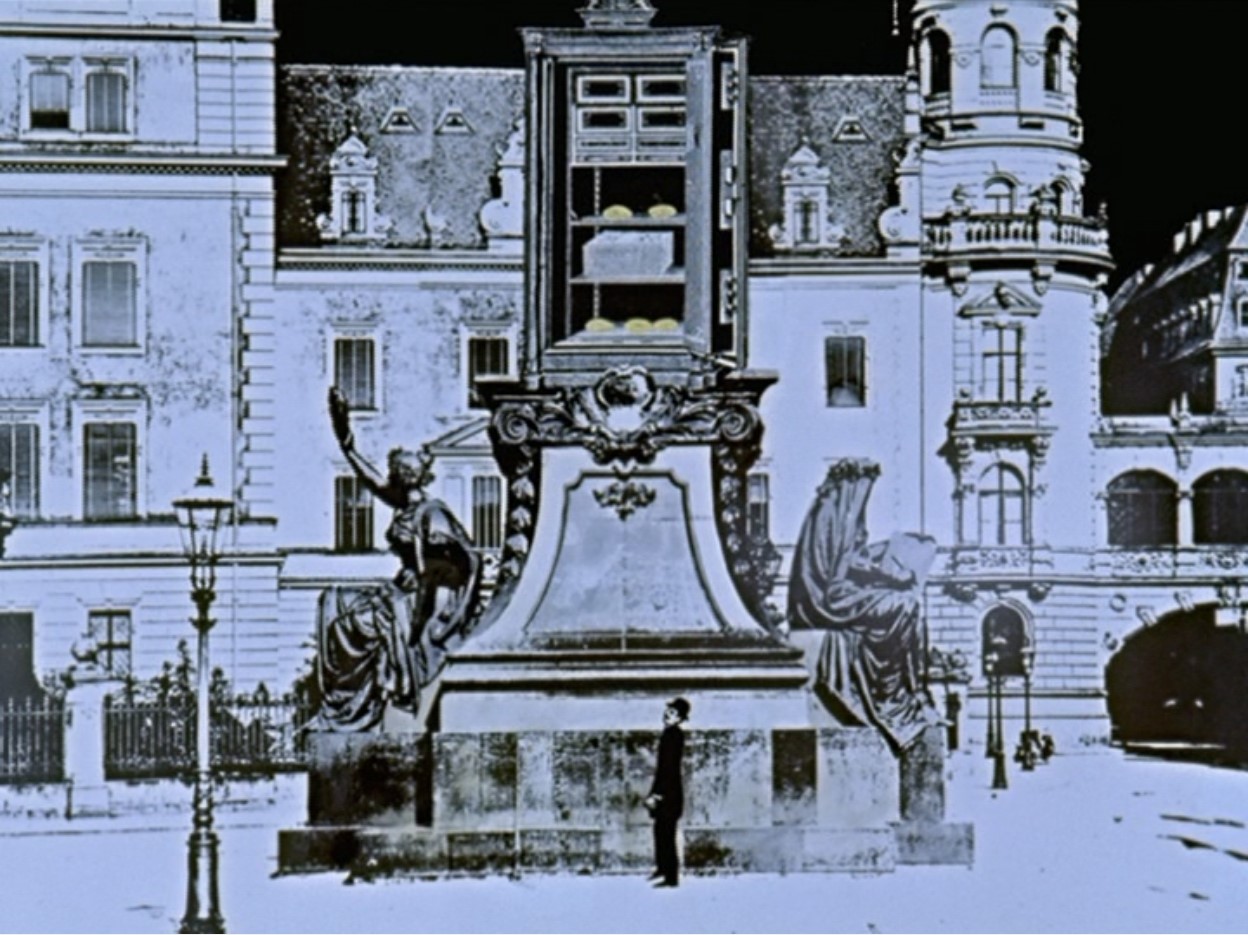
In ‘Labirynt’ a man flies into a seemingly abandoned city, only to find it to be a dangerous place, terrorized by strange creatures and machines, alike.
This is one of those rare animation films from Eastern Europe depicting what it’s like to live in an oppressive communist state. The film is highly surreal, featuring strange creatures, often mixes of animal and human parts, but I am still surprised the film got past the censors. For example, at one moment the man is captured by a bearded machine-man and thoroughly examined. At one key scene we watch is thoughts roaming freely inside his head, only to get barred by a strange contraption. The end, too, in which the man tries to escape the paranoid city is telling enough.
Jan Lenica’s world is based on partly colored old photographs and engravings. His animation is emblematic, but at one point we surely feel the man’s fear, as he tries to flee from his oppressors. The surrealist atmosphere is enhanced by Jan Radlicz’s sound design and by Włodzimierz Kotoński’s score.
Watch ‘Labirynt’ yourself and tell me what you think:
‘Labirynt’ is available on the DVD-set ‘Anthology of Polish Animated Film’
Director: Zofia Oraczewska
Release date: 1976
Rating: ★★★
Review:

In ‘Banquet’ a bunch of waiters and chefs are preparing a huge banquet for a large number of guests. But when the guests arrive, the banquet turns out to be very different than expected.
‘Banquet’ has a mixed design: the waiters and chefs are rather classic cartoony figures, while the meals and the guests are collages partly made out of photo material.
Jan Skorża’s cut-out animation is fair, if not outstanding, and the whole film is a little too empty to be memorable. I guess the Polish film makers were less in their game when trying an attempt at humor.
Watch ‘Banquet’ yourself and tell me what you think:
‘Banquet’ is available on the DVD-set ‘Anthology of Polish Animated Film’
Director: Zbginiew Rybczyński
Release date: 1974
Rating: ★★★
Review:

In ‘Soup’ avant-garde film maker Zbigniew Rybczyński shows his fondness of repetitive use of live action material to create startling new images.
Rybczyński would perfect this technique in 1980 with the Academy Award winning short ‘Tango’, but ‘Soup’ already is intriguing and hard to describe. Rybczyński has tinted his source material in stark, contrasting colors, with reds, greens, yellows and blues really popping out of the screen.
The images show the daily routines of a married couple, until it is suggested that the man dies in a train crash. At that point the film burns down. The daily routines are strangely juxtaposed to each other, and there are some very odd touches, like a fork taking a bite out of cheek.
The alienating effect is greatly enhanced by the soundtrack. For sound designer Mieczysław Janik and composer Eugeniusz Rudnik have provided a highly disturbing score full of ordinary sounds amplified to a grotesque effect. For example, when the man brushes his teeth, this rather sounds like a fork scratching on a plate.
I don’t think ‘Soup’ is for everyone, but this intriguing film shows both Rybczyński’s unique approach to film making and the sheer creativity that Communist Poland was in the graphic arts in the 1960s and 1970s.
Watch ‘Soup’ yourself and tell me what you think:
‘Soup’ is available on the DVD-set ‘Anthology of Polish Animated Film’
Director: Mirosław Kijowicz
Release date: 1971
Rating: ★★★
Review:
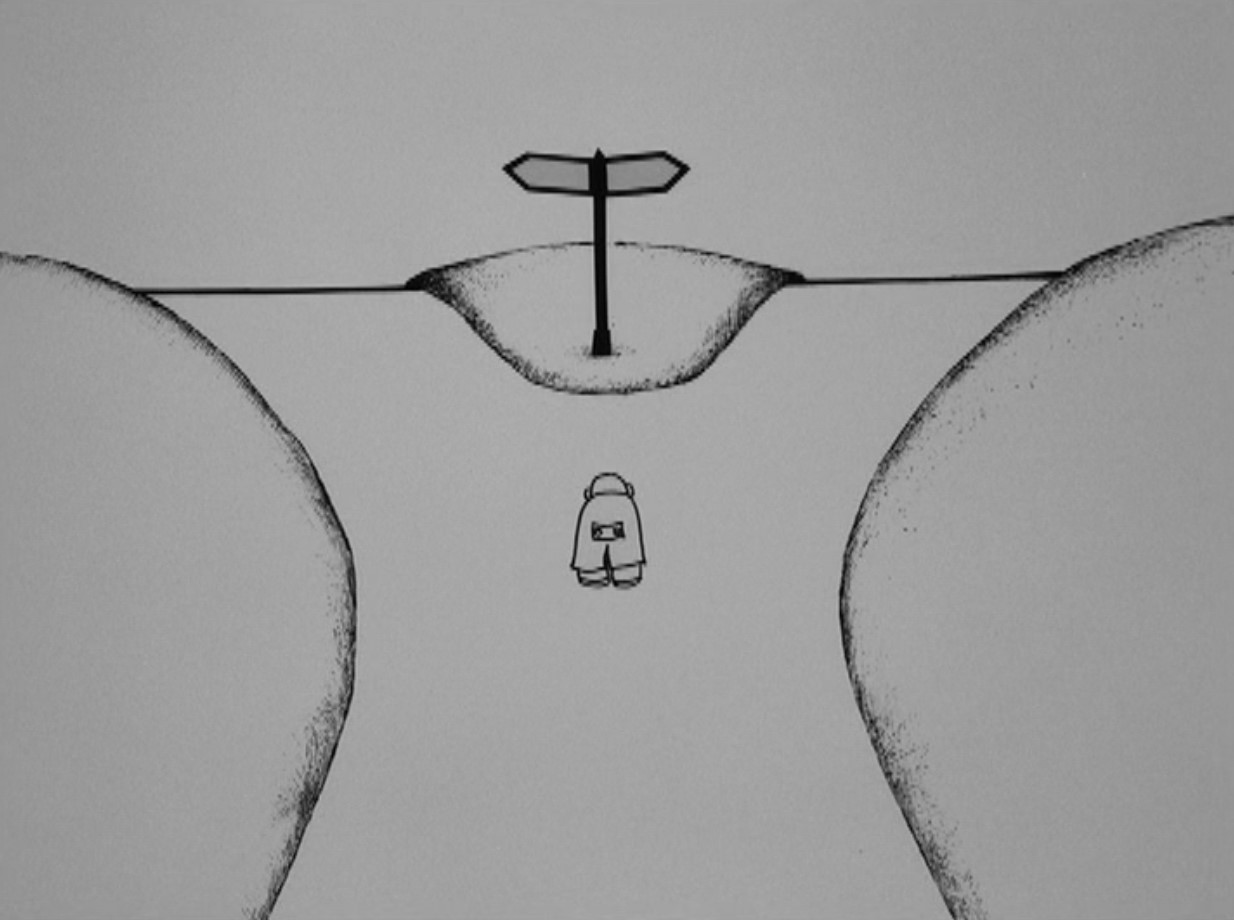
‘The Road’ is a simple little black and white film about a man walking a road, but then he faces a fork in the road.
According to IMDb this is a parable on how choices have consequences, and I can see something in that. Nevertheless the film may be a little too simple, making its message rather vague and puzzling. For example, we only see the man from the back, and only the second choice he has is clearly motivated, with help from a text balloon. Nevertheless, ‘The Road’ is a charming example of the experimental approach to animation in Poland.
Watch ‘The Road’ yourself and tell me what you think:
‘The Road’ is available on the DVD-set ‘Anthology of Polish Animated Film’
Director: Zbginiew Rybczyński
Release date: 1976
Rating: ★★★★
Review:

Avant-garde animator Zbginiew Rybczyński, of later ‘Tango’ fame, brings us a fun little children’s film based on a poem by Julian Tuwim on trains.
The poem is set to lively jazz music by Janusz Hajdan, which Rybczyński accompanies with images of anything but trains. The lyrics are illustrated associatively, with animated pictures of a baby, a dog, an elephant. etc.
The most common element is a fat moustached man, done in pixilation. The pixilated photos are rendered in monochromes, mostly on a monochrome green canvas, which give the film a unique and very avant-garde look. Apart from the pixilation there’s a little, rather cartoony cel animation that convinces less.
‘Locomotive’ may be much less compelling than ‘Tango’, this children’s short already show that Rybczyński was a very original and idiosyncratic film maker.
Watch ‘Locomotive’ yourself and tell me what you think:
‘Locomotive’ is available on the DVD-set ‘Anthology of Polish Children’s Animation’
Director: Ryszard Antoniszczak
Release date: 1974
Rating: ★★★
Review:

‘Farewell to Steam’ is a Polish children’s film set to a rock song. The short tells about a person who wants to become a train engineer.
This is one of those films from the early seventies that display a huge ‘Yellow Submarine’ influence. This short just breaths groovy seventies design. The man himself is a prototype of a seventies hippie.
The film uses full cell animation to show us images that are cartoony, surreal and weird. The images never cease to amaze, but a story is hardly present, and hard to follow anyway. In the end ‘Farewell to Steam’ succeeds more musically and visually than narratively.
Watch ‘Farewell to Steam’ yourself and tell me what you think:
‘Farewell to Steam’ is available on the DVD-set ‘Anthology of Polish Children’s Animation’
Director: Stefan Janik
Release date: 1972
Rating: ★★★
Review:
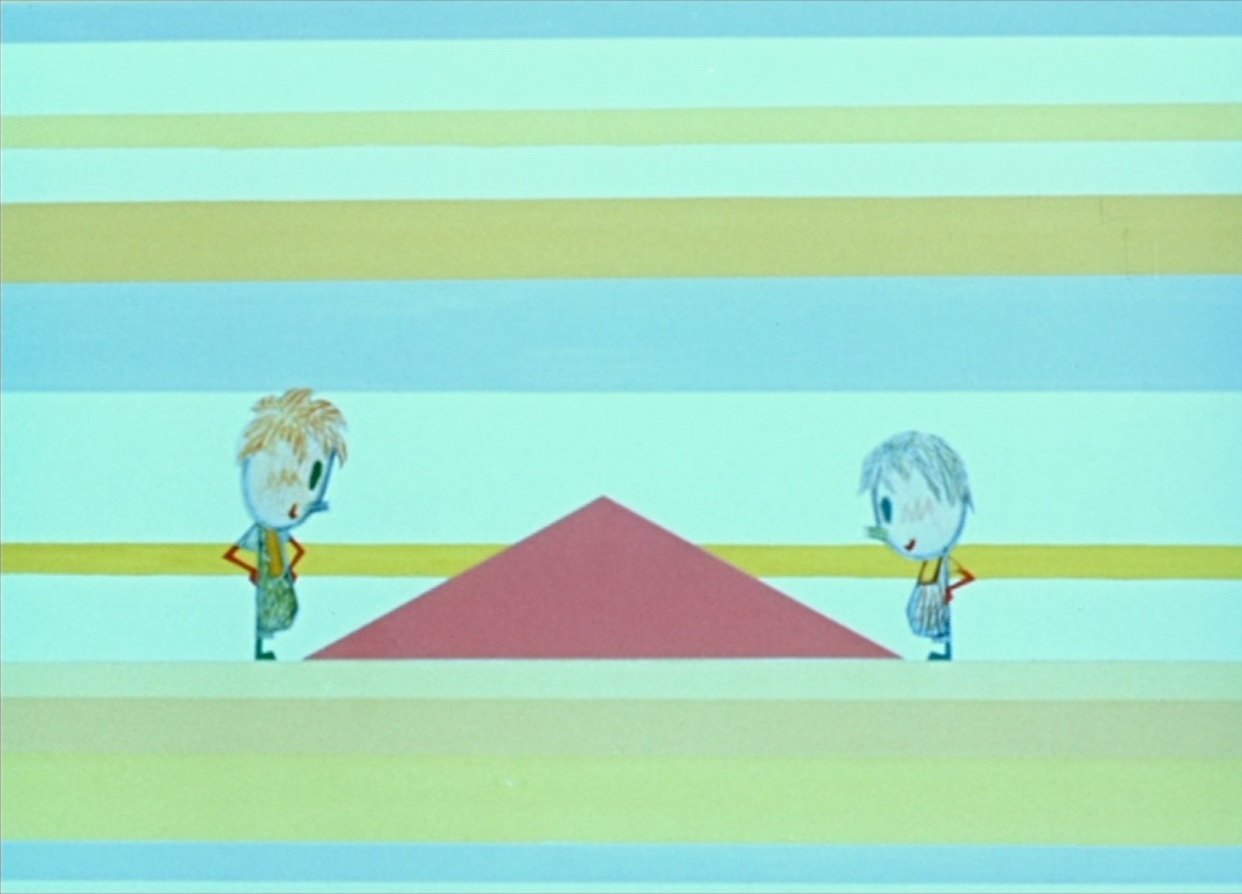
‘Enchanted Triangles’ is a cute children’s films from Poland about triangles. The film makes clever use of the imagination of children to transform triangles into church towers, mountains, pyramids, sailing boats, birds and butterflies.
Two boys explore this triangle world. The film uses a voice over by a girl and cut-out animation. The two boys are charmingly drawn in crayons in a semi-childish style, but the triangles remain abstract. The result is cute if unassuming and rather forgettable.
Watch ‘Enchanted Triangles’ yourself and tell me what you think:
‘Enchanted Triangles’ is available on the DVD-set ‘Anthology of Polish Children’s Animation’
Director: Daniel Szczechura
Release date: 1971
Rating: ★★
Review:

‘If You Spot a Cat Flying Through the Air’ is a strange little film in bold seventies design and with an avant-garde jazz score by W. Pażyński to tell us that If You Spot a Cat Flying Through the Air, it’s a cat who love birds. These words reappear a few times in the short itself.
Unfortunately, both animation and movement are rather limited, and the short is more interesting as an experiment than entertaining to watch.
Watch ‘If You Spot a Cat Flying Through the Air’ yourself and tell me what you think:
‘If You Spot a Cat Flying Through the Air’ is available on the DVD-set ‘Anthology of Polish Children’s Animation’
Director: Witold Giersz
Release date: 1970
Rating: ★★★½
Review:

‘The Wonderful March’ is a traditional animation film, which retells the story ‘The Marvelous March of Jean François’ (1965) by John Raymond.
Jean François is a drummer boy in Napoleon’s army, who’s told to march ever onward. Following this direction rather obsessively, Jean François travels the world, using his drum e.g. as a boat and as a basket for a balloon, only to return to Napoleon in the end, right in the battle of Waterloo.
The film’s conclusion is a bit puzzling and rather disappointing. Nevertheless, ‘The Wonderful March’ can boast very pleasant images, full of painted animation, and charming music by Polish composer Kazimierz Serocki.
Watch ‘The Wonderful March’ yourself and tell me what you think:
‘The Wonderful March’ is available on the DVD-set ‘Anthology of Polish Children’s Animation’
Director: Julian Antonisz
Release date: 1970
Rating: ★★★
Review:

‘How Is That…?’ is another children’s film by Julian Antonisz and this film is made in the same vein as ‘How Learning Came Back tothe Woods’. This time a little girl tells us how television works.
Antonisz again illustrates the narration with very rough designs, and cut-out animation of household objects on top of a light table. For examples, the people wear real glasses, and some nature is suggested by real flowers and plants.
‘How Is That…’ is not too serious. At several points things go wrong, and a ‘Please Stand By’ sign is shown. The result is a very original and delightful little avant-garde film for children.
Watch ‘How Is That…?’ yourself and tell me what you think:
‘How Is That…?’ is available on the DVD-set ‘Anthology of Polish Children’s Animation’
Director: Julian Antonisz
Release date: 1970
Rating: ★★★½
Review:
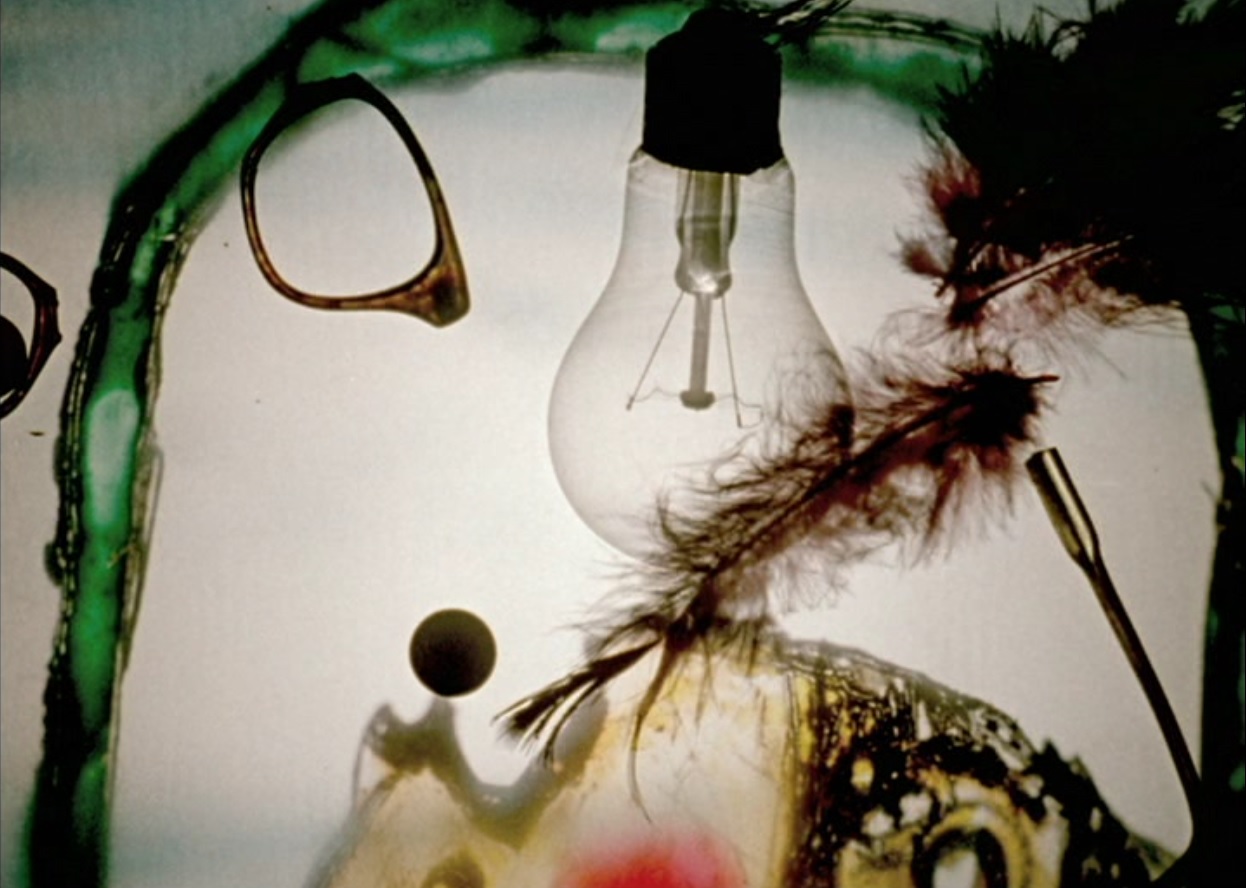
Told by a little girl ‘How Learning Came Back Out of the Woods’ is an educational film for children on how books are made.
Julian Antonisz’s animation style, however, is highly avant-garde. The animator uses a light table to illuminate his drawings and a multitude of household objects from below. Antonisz’s style is very rough and graphic. There’s motion, but the cut-out animation itself is limited. Human movement, for example, is only suggested by using two key frames, rather than animated fully. Nevertheless, this children’s film is a good example of the sheer creativity of the Polish animation industry of the seventies.
Watch ‘How Learning Came Back Out of the Woods’ yourself and tell me what you think:
‘How Learning Came Back Out of the Woods’ is available on the DVD-set ‘Anthology of Polish Children’s Animation’
Director: Ryszard Czekała
Release date: 1970
Rating: ★★★★½
Review:

If ‘Syn‘ was an unsettling watch, ‘Apel’ is no less than a grueling. Set in a German concentration camp, the film shows a Nazi officer commanding a large group of prisoners to bow and to rise, over and over again. Then one of them refuses to bow…
‘Apel’ is an extreme film, not only in concept, but also in execution. Czekała uses very original cinematography and extreme ‘depth of field’, with large parts of his drawing being out of focus. Especially the shot in which the Nazi officer walks by rows and rows of people is particularly impressive, and it’s unclear to me how Czekała reached this effect. The film is as bleak as can be, and quite an unpleasant watch, but Czekała’s mastery of the animated form is undeniable.
Watch ‘Apel’ yourself and tell me what you think:
‘Apel’ is available on the DVD-set ‘Anthology of Polish Animation’ and on the DVD box ‘Annecy – Le coffret du 50e Anniversaire’
Director: Daniel Szczechura
Release date: 1970
Rating: ★★★½
Review:
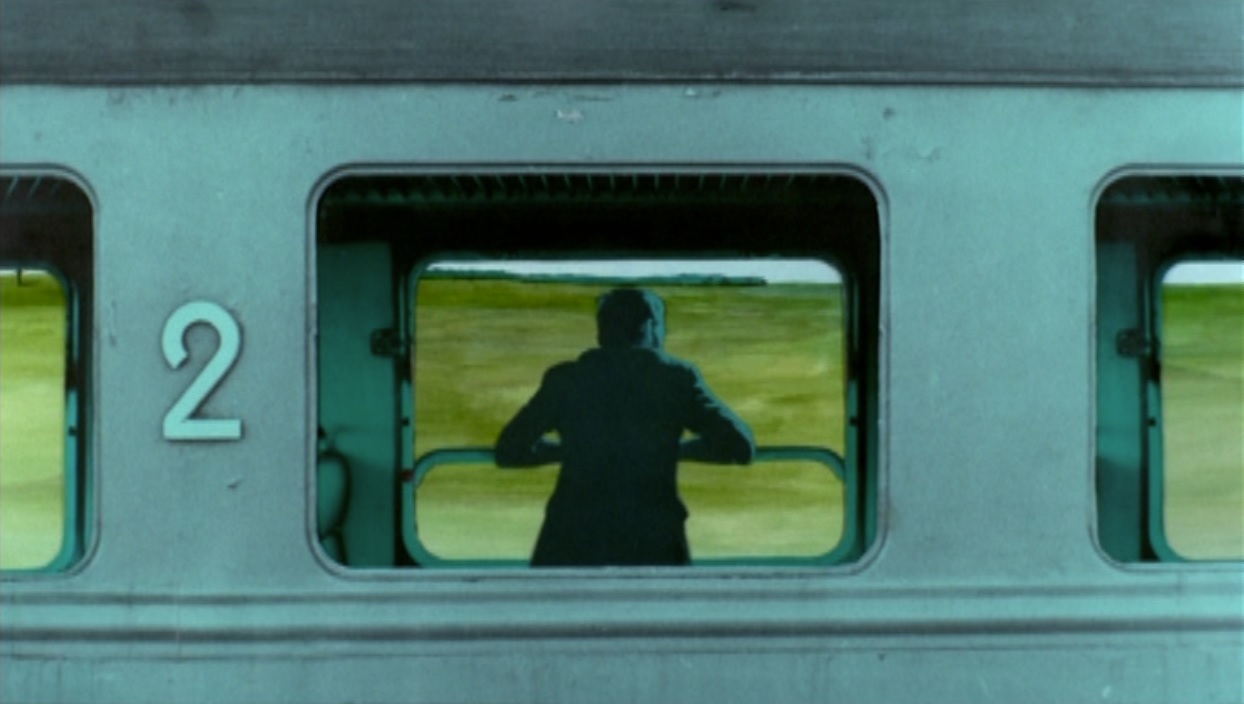
‘Podróż’ (The Journey) is a Polish avant-garde film in which a man makes a rather pointless train trip to a house somewhere in the countryside.
For a large part of the short we watch the man in the train from the back, while he stares at the countryside floating by his window. There’s constant movement, but barely any animation. During the train sequence, for example, the train itself and the man remain completely static. When the man walks towards the house this is done in a sequence of stills, not in animation.
Nevertheless, the film intrigues because of its original visual style and because of its extreme soundtrack by Eugeniusz Rudnik using unsettling mechanical sounds.
Watch ‘The Journey’ yourself and tell me what you think:
‘The Journey’ is available on the DVD-set ‘Anthology of Polish Animation’


 Dr. Grob's Animation Review