
You are currently browsing the category archive for the ‘★★★★’ category.
Director: Unknown
Release date: May 7, 1920
Stars: Judge Rummy
Rating: ★★★★
Review:
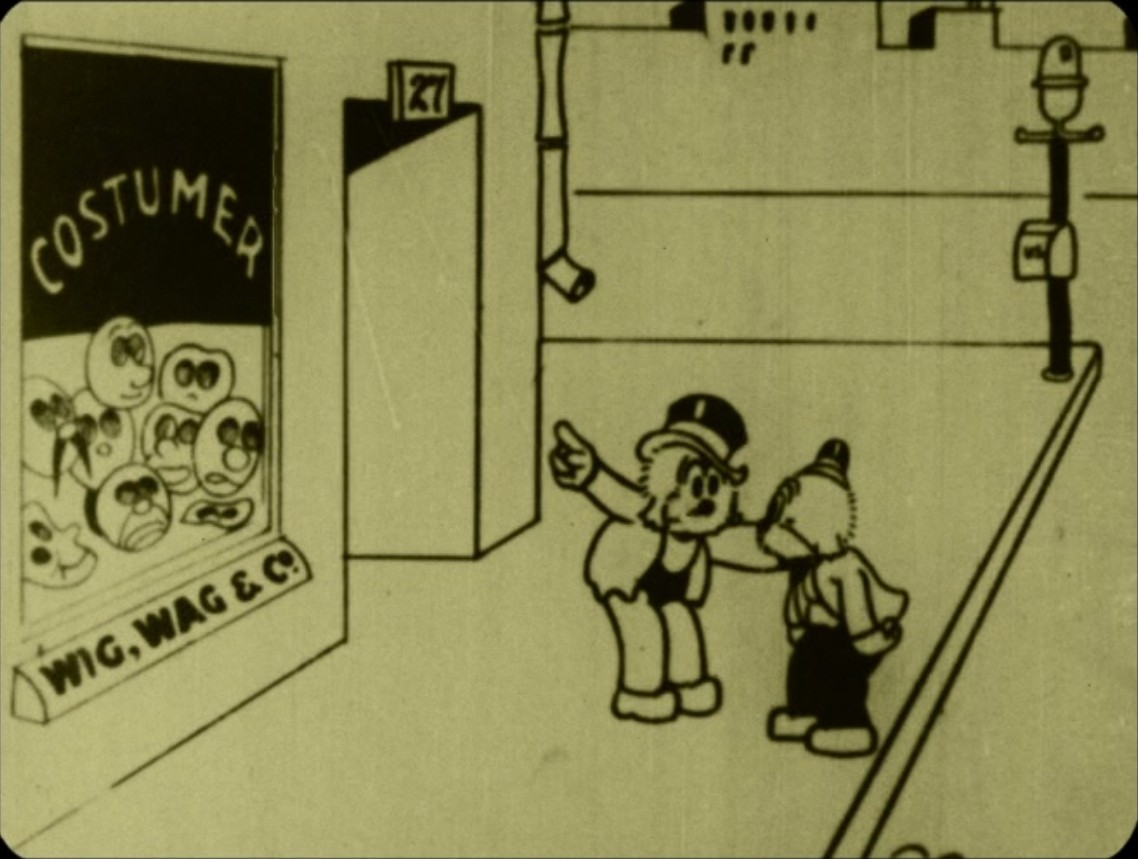
Tad Dorgan’s Judge Rummy was a comic strip that run from 1910 to 1922. Between 1918 and 1922 it was also an animated cartoon series, directed by the likes of Jack King, Burt Gillett and Grim Natwick, who would all become animation legends, and, surprisingly, Gregory La Cava, later director of live action comedies like ‘My Man Godfrey’ (1936) and ‘Stage Door’ (1937).
I’ve no idea who’s responsible for ‘A Fitting Gift’ but the animator has a very pleasant animation style, with unexpected touches of metamorphosis, original staging, and surprising movements.
In this short Judge Rummy wants to buy a gift for a girl he admires. His friend Silk Hat Harry suggest a corset, but Judge Rummy is too bashful to enter, so Silk Hat Harry suggests the two dress as women themselves, but then Judge Rummy’s wife appears. The gags themselves in this cartoon, one including a homosexual stereotype, are pretty trite, but as said, the execution is much fun, making this short a pleasant watch.
Watch ‘A Fitting Gift’ yourself and tell me what you think:
‘A Fitting Gift’ is available on the Blu-Ray-DVD combo ‘Cartoon Roots: The Bray Studios Animation Pioneers’
Director: Wallace Carlson
Release date: September 6, 1919
Stars: Dreamy Dud, Wallace Carlson, John Randolph Bray
Rating: ★★★★
Review:
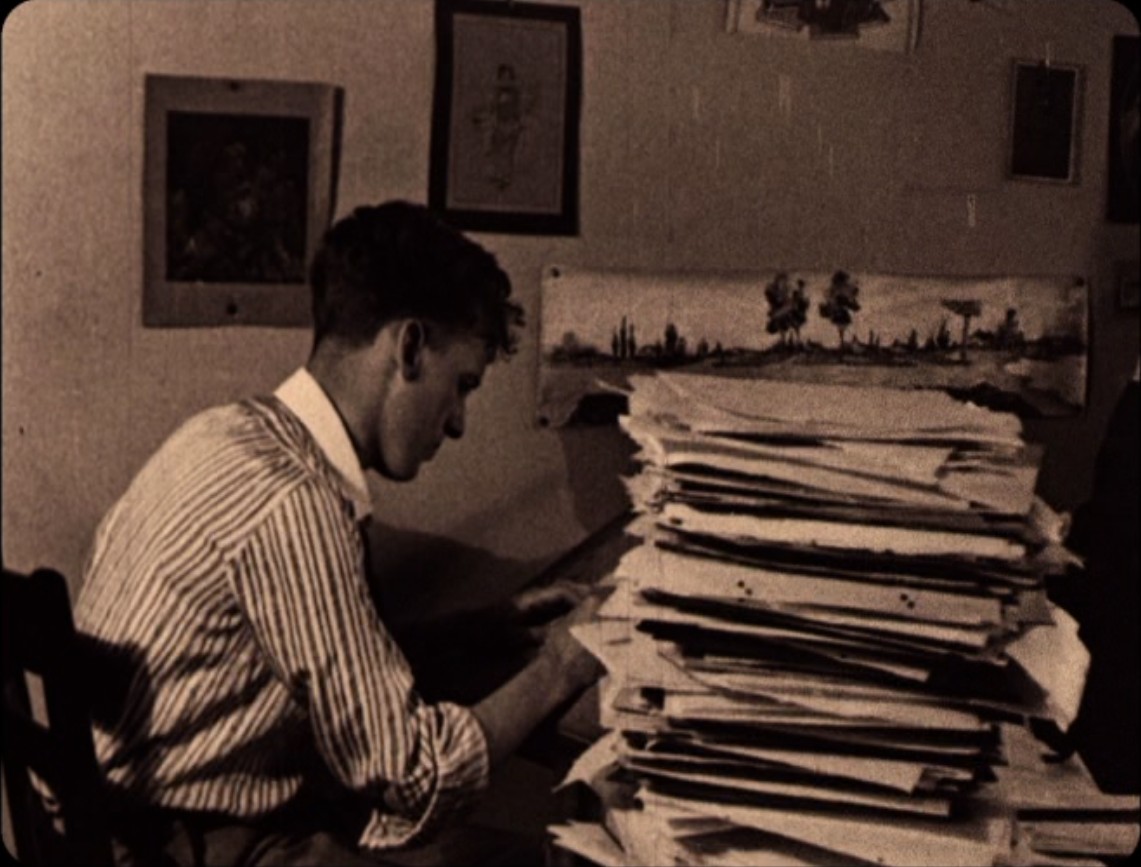
Young Wallace Carlson parodies his own work in a short funny film starring himself.
If anything the film shows that animating a cartoon is a lot of work. Most telling is the scene in which Carlson photographs a huge pile of animation drawings. The intertitle ’48 hrs later… ‘ says it all.
The cartoon itself, ‘Dreamy Dud’, which Carlson plays to an unimpressed John Randolph Bray , is not half as funny as the live action sequences, and only demonstrates that Carlson belongs to the lesser gods of animation. His animation style is crude and formulaic, with little sense of timing.
Watch ‘How Animated Cartoons Are Made’ yourself and tell me what you think:
‘How Animated Cartoons Are Made’ is available on the Blu-Ray-DVD combo ‘Cartoon Roots: The Bray Studios Animation Pioneers’
Director: Vladimír Šilhan
Release date: 1963
Rating: ★★★★
Review:
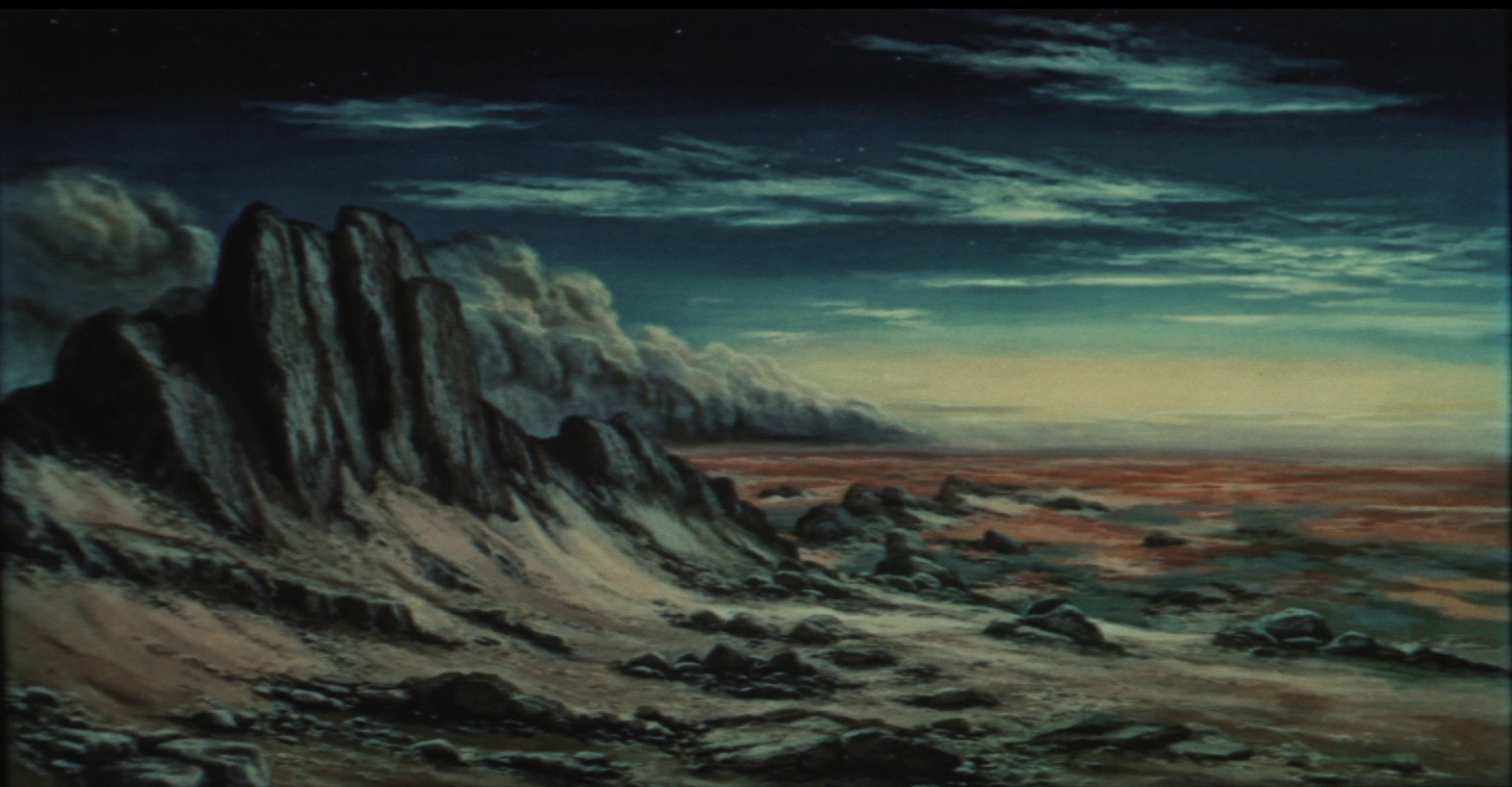
‘Hypotézy’ is a film on how landscapes would look like if we were on other planets.
We watch beautiful paintings of a hypothesized Mercury, Venus, Moon, Mars, Jupiter and Ganymede, Saturn and Titan, Uranus, Neptune and Pluto. Mars is shown as a planet with a possibility of life, while the moon sequence uses a little animation. The whole film is rather poetic and thoroughly enjoyable despite consisting of still images mostly.
Watch ‘Hypotézy’ (unfortunately Czech only) yourself and tell me what you think:
‘Hypotézy’ is available on the Blu-Ray of ‘Ikarie XB-1’
Director: Floor Adams
Release date: February 23, 2019
Rating: ★★★★
Review:
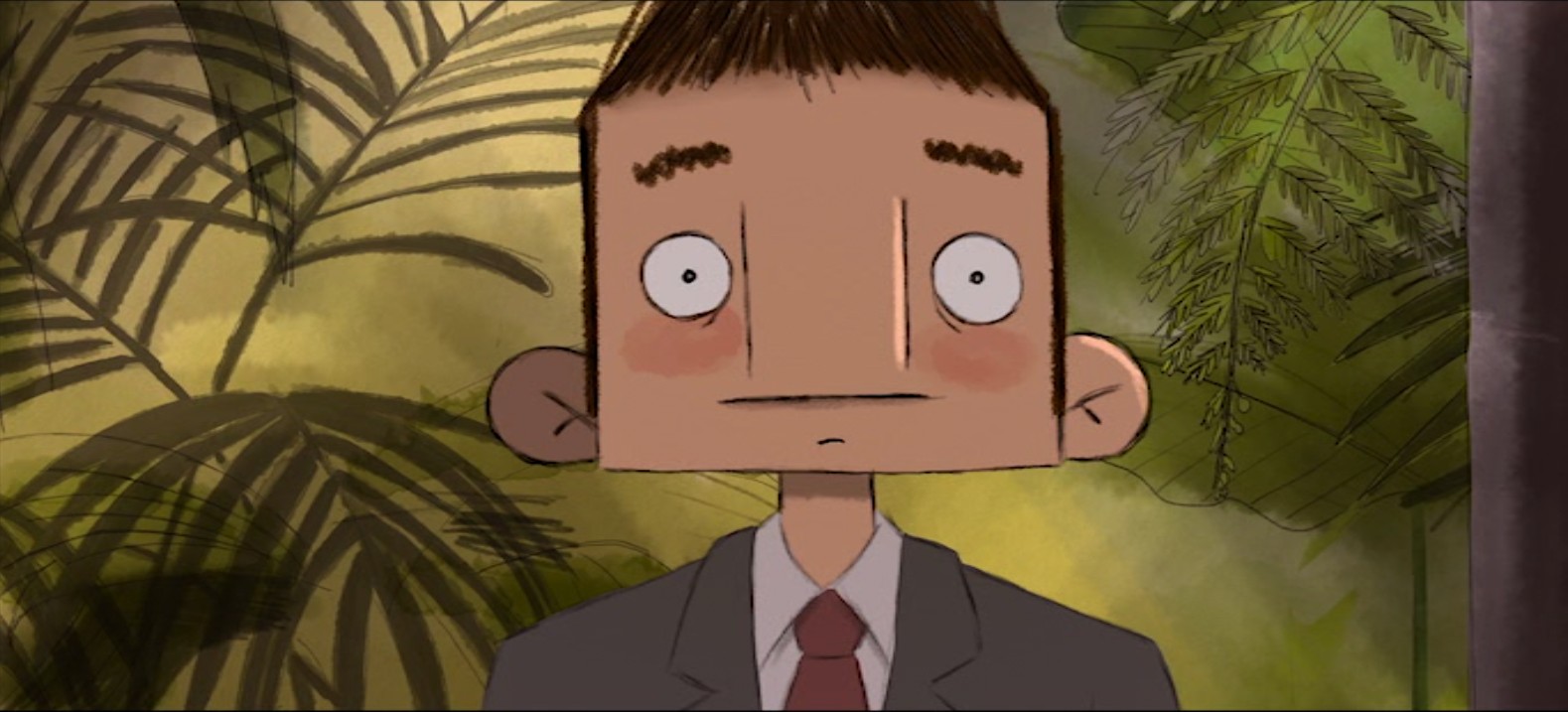
Christopher is a man on the autism spectrum, He loves his model Stuka dive bomber airplanes, but he has difficulties with social relationships. When is older brother invites him along to a party, a whole new adventure for him starts.
Christopher’s autism is shown by a homunculus inside his head who has to look up and memorize everything and thus easily gets an information overload, for example when too much is happening at the same time during the party. Christopher clearly is as sympathetic as he is social awkward, but I cannot help but admire the patience of his love interest Gwen, who has to suffer a lot through Christopher’s erratic behavior.
‘Mind My Mind’ is a nice insight in the mind of a person on the autism spectrum, but succeeds not entirely or convincingly in making the audience believe he can function easily in society.
The designs are pleasant, although I found the homunculus too sketchy a character. The animation meanwhile, is fair, and focuses on the characters’ emotions and relationships. Despite being a Dutch-Belgian co-production, the voices are in English, and thus the film can be enjoyed by a large audience.
Watch the trailer of ‘Mind My Mind’ yourself and tell me what you think:
‘Mind My Mind’ is available on DVD
Director: Chuck Jones
Release date: December 28, 1963
Stars: Road Runner & Wile E. Coyote
Rating: ★★★★
Review:
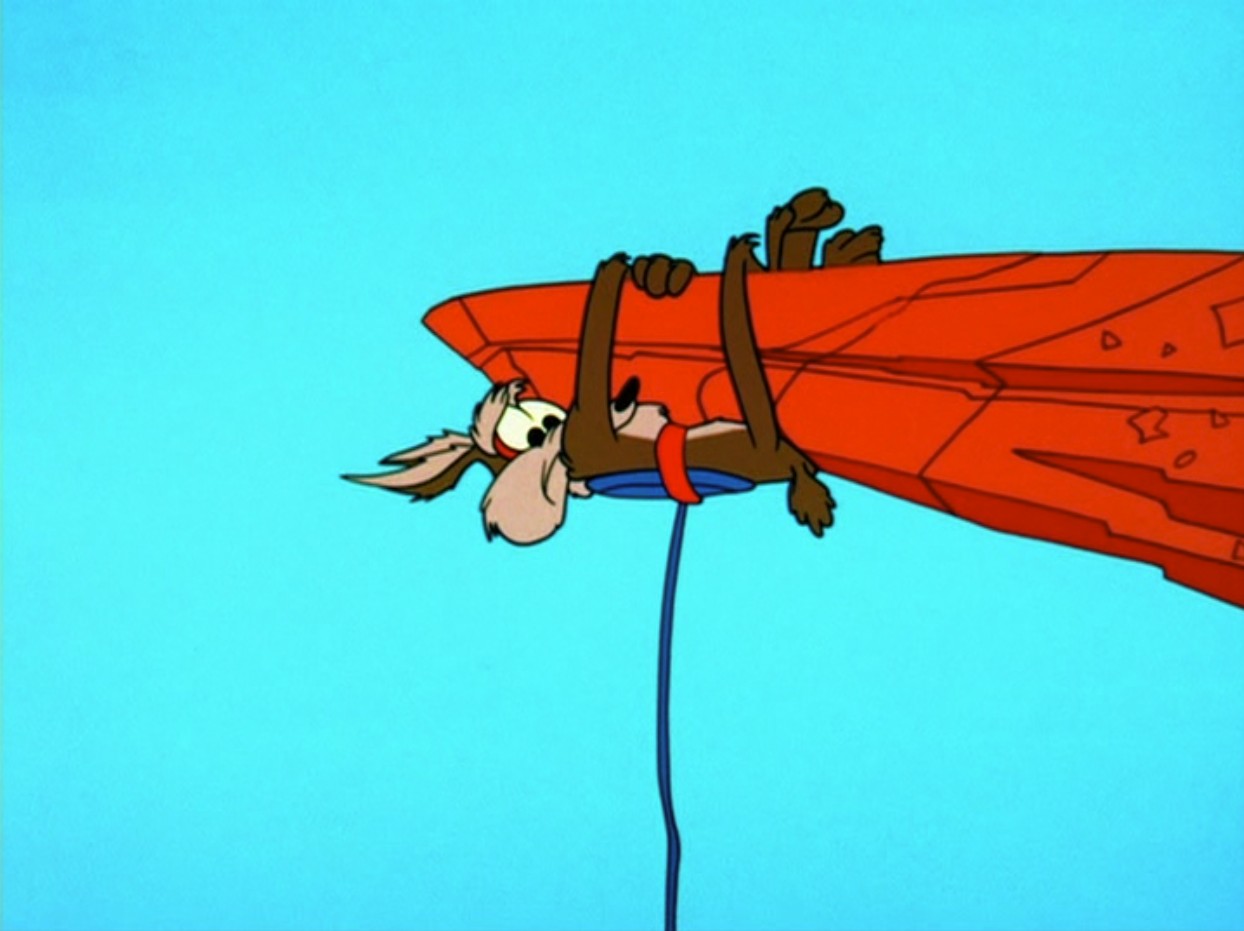
‘To Beep or not to Beep’ is a late, but fine entry in the Road Runner series, exemplifying Chuck Jones’ late, rather deft style.
The short is noteworthy for a string of gags that all use a large catapult, which of course, fails the coyote repeatedly. Apart from the catapult gags, the giant spring gag is a nice one. Note the extreme deformation of the coyote’s body when it gets caught in a telephone wire: the coyote’s eyes and feet stretch for several meters at that point.
The animation and background art are gorgeous throughout, and even Bill Lava’s music is apt.
Watch an excerpt from ‘To Beep or not to Beep’ yourself and tell me what you think:
‘To Beep or not to Beep’ is available on the DVD-set ‘Looney Tunes Golden Collection Volume Three’
Directors: Norman McLaren & Evelyn Lambart
Release date: 1965
Rating: ★★★★
Review:
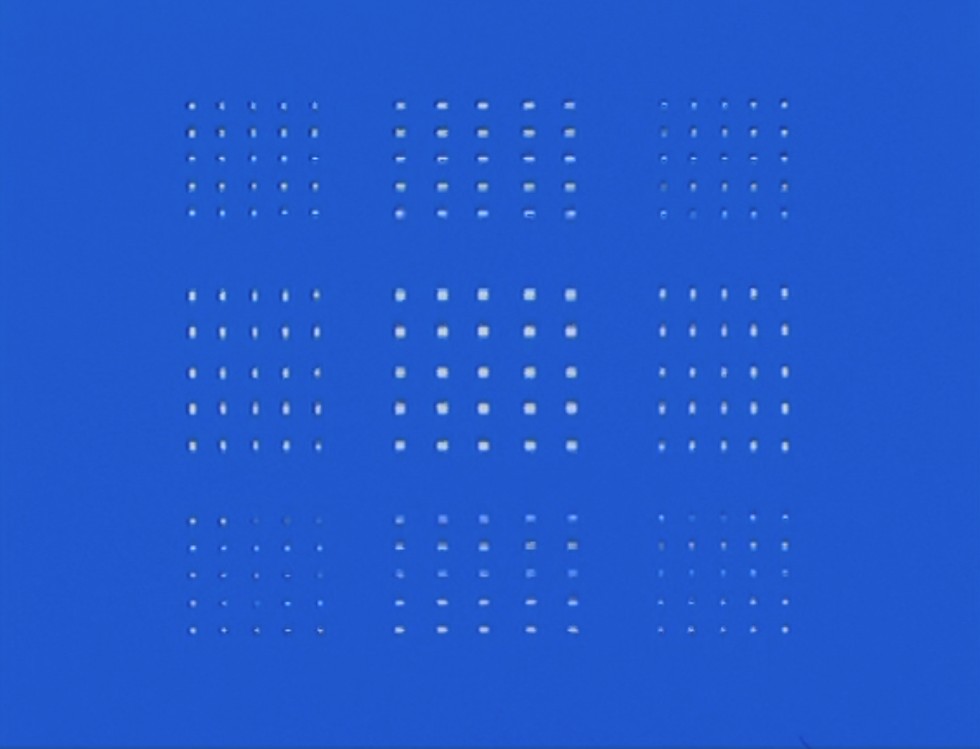
‘Mosaic’ starts with Norman McLaren himself entering an empty stage with a ball, while whistling. When he places the ball in empty air, it soon turns into a dot, which quickly splits into four dots, then nine, then sixteen and so on, until very complex patterns of dots fill the screen. The result is somewhat like a moving Piet Mondriaan painting, with the dots forming endless patterns, which change color over time.
It’s thanks to McLaren’s and Evelyn Lambart’s geniuses that this highly abstract film remains entertaining throughout, and seems to follow some inner logic. Indeed, McLaren himself said that ‘Mosaic’, like ‘Lines Vertical‘ and ‘Lines Horizontal‘ followed the structure of Hindu classical music, which also start with an easy pattern (a raga), which becomes increasingly complex and fast moving.
Watch ‘Mosaic’ yourself and tell me what you think:
‘Mosaic’ is available on the DVD-box ‘Norman McLaren – The Master’s Edition’
Director: Chuck Jones
Release date: April 27, 1963
Rating: ★★★★
Review:
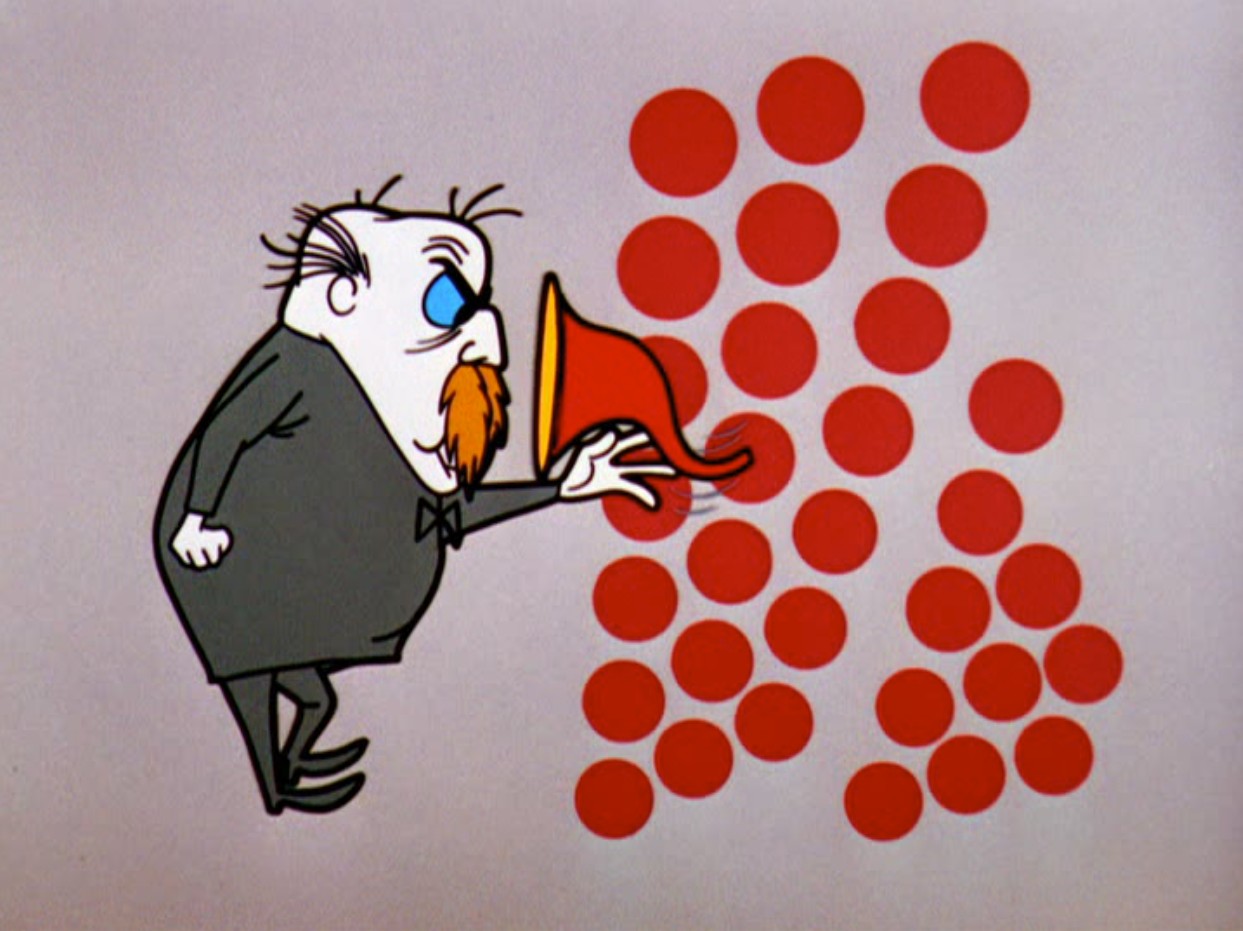
‘Now Hear This’ is a cartoon on sound. The film is one of the most original cartoons by a major studio of the 1960s, for its ultra-modern designs and idiosyncratic narrative. The film knows a stream-of-consciousness-like way of storytelling, exploiting an inner logic, but with only a dreamlike coherence.
In the film Chuck Jones and his crew only use monochrome backgrounds, with shapes, lines and typography emphasizing both the action and the emotional response. Only the three main characters (a devil, a deaf Briton and a small character dressed in pink) are drawn and animated traditionally, with the Briton being the audience’s connection to what happens on the screen.
Being a film on sound, sound effect man Tregg Brown goes berzerk in creating and combining the craziest sounds, from the decades-old ‘rubber band’ sound snippet to bizarre new sound effects accompanying lines, shapes and words. The result is as mesmerizing as it is rewarding in its originality. It’s striking that the studio could produce such an avant-garde film in its final days, which were mostly populated with much less inspired products.
Watch excerpts from ‘Now Hear This’ yourself and tell me what you think:
‘Now Hear This’ is available on the DVD-set ‘Looney Tunes Golden Collection Volume Six’
Director: Walerian Borowczyk
Release date: June 1963
Rating: ★★★★
Review:
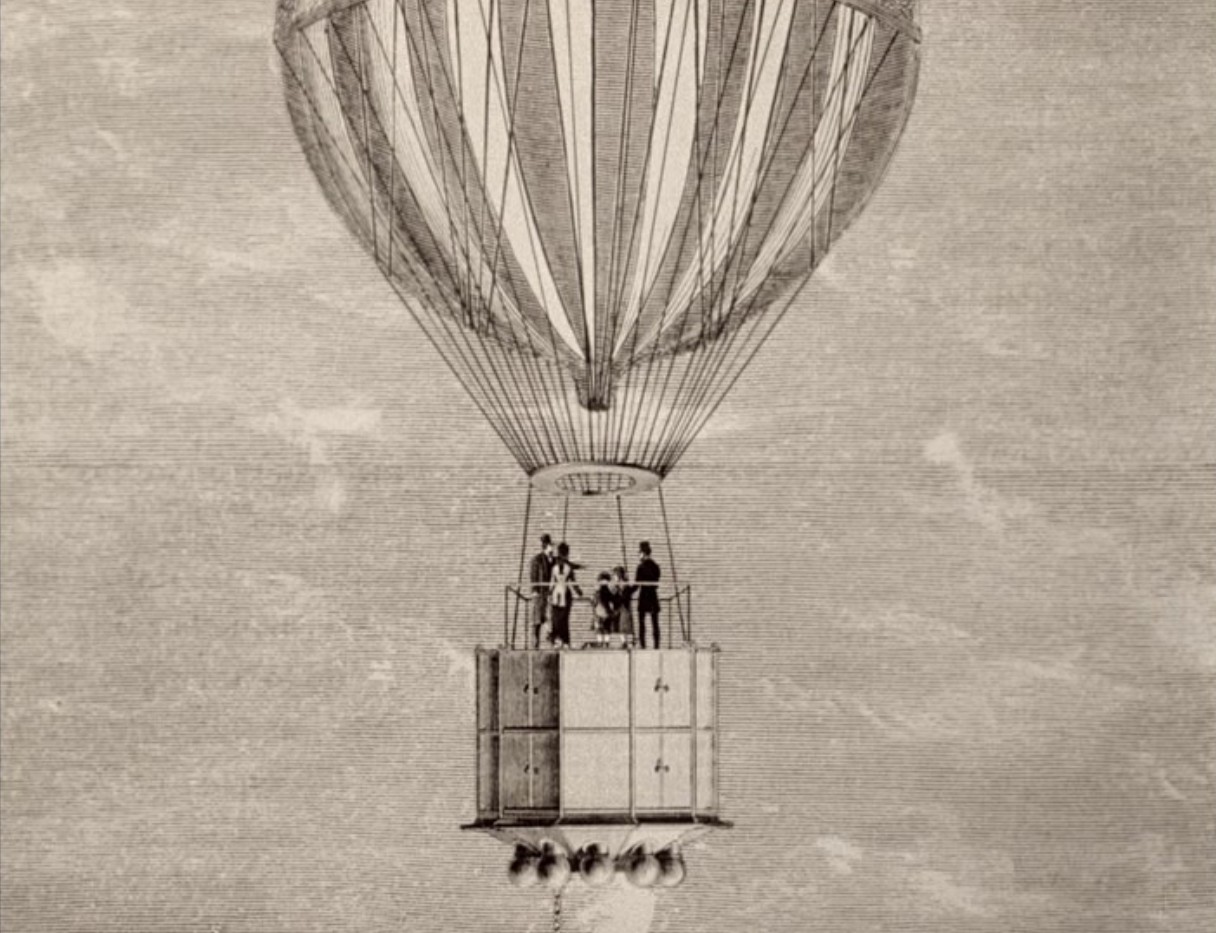
With ‘Encyclopédie de Grand-Maman’ Borowczyk continues the silly surrealism of ‘Les Astronautes‘ from 1959. Although we are promised 13 volumes, we only watch three words from the Encyclopédie: A is for automobiles, B for Balloons and C for Chemin de fer (Railways).
The film uses 19th century engravings to a great effect, especially the car race in ‘Automobiles’ is as inventive as it is entertaining. Borowczyk makes clever use of his source material, and the animation is greatly helped by the stark sound effects. These aspects make ‘Encyclopédie de Grand-Maman’ a fun film, if not more than that.
Watch ‘Encyclopédie de Grand-Maman en 13 Volumes’ yourself and tell me what you think:
‘Encyclopédie de Grand-Maman en 13 Volumes’ is available on the Blu-Ray/DVD set ‘Walerian Borowczyk: Short Films and Animation’
Director: Anatoly Karanovitch
Release date: 1963
Rating: ★★★★
Review:
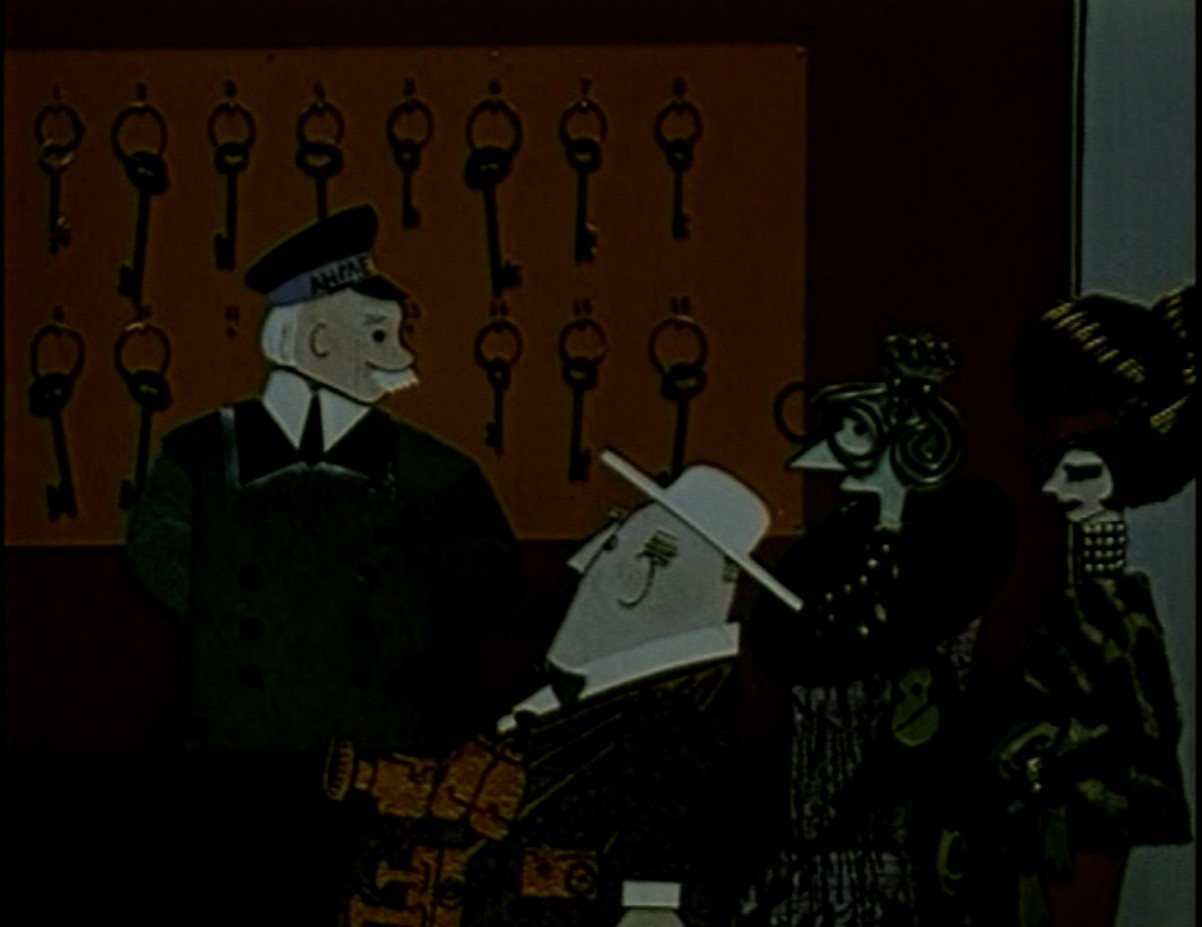
After Fyodor Khitruk gave Soviet animation a huge update with ‘Story of One Crime’, the animated Soviet propaganda shorts also became more modern and interesting to look at. A good example is ‘Mister Twister’ from 1963.
Based on the poem of the same name by Samuel Marshak (1887-1964) ‘Mister Twister’ is a story in rhyme about Mr. Cook (alias ‘Mister Twister’), an American millionaire who visits the Soviet Union on request of his daughter Susie. When he arrives in Leningrad, he refuses to sleep in the appointed hotel, because a black man sleeps there, too. The doorman of the hotel calls all his colleagues from other hotels to tell the millionaire they’re full. After a tiring day of searching and a night in the doorman’s office, the millionaire and his family are completely humbled. Now, Mr. Cook will rent a room, even though he will be surrounded by colored people, all visiting Leningrad because an international conference.
This cartoon uses both cel animation and cut-out techniques and is conceived as a children’s book coming alive. The animation (e.g. by a young Yuri Norstein) is crude and emblematic, but shows modern influences in its unnatural depictions of movement.
‘Mister Twister’ is one of no less than three animated Soviet propaganda films from 1963 aimed at American capitalism. Despite the rather poor animation, it’s the best of the three, because of the charmingly little story, and because its anti-racist message, which is of a much more lasting quality than say the glory of communism.
Watch ‘Mister Twister’ yourself and tell me what you think:
‘Mister Twister’ is available on the DVD set ‘Animated Soviet Propaganda’
Director: Ernest Pintoff
Release date: May 20, 1963
Rating: ★★★★
Review:
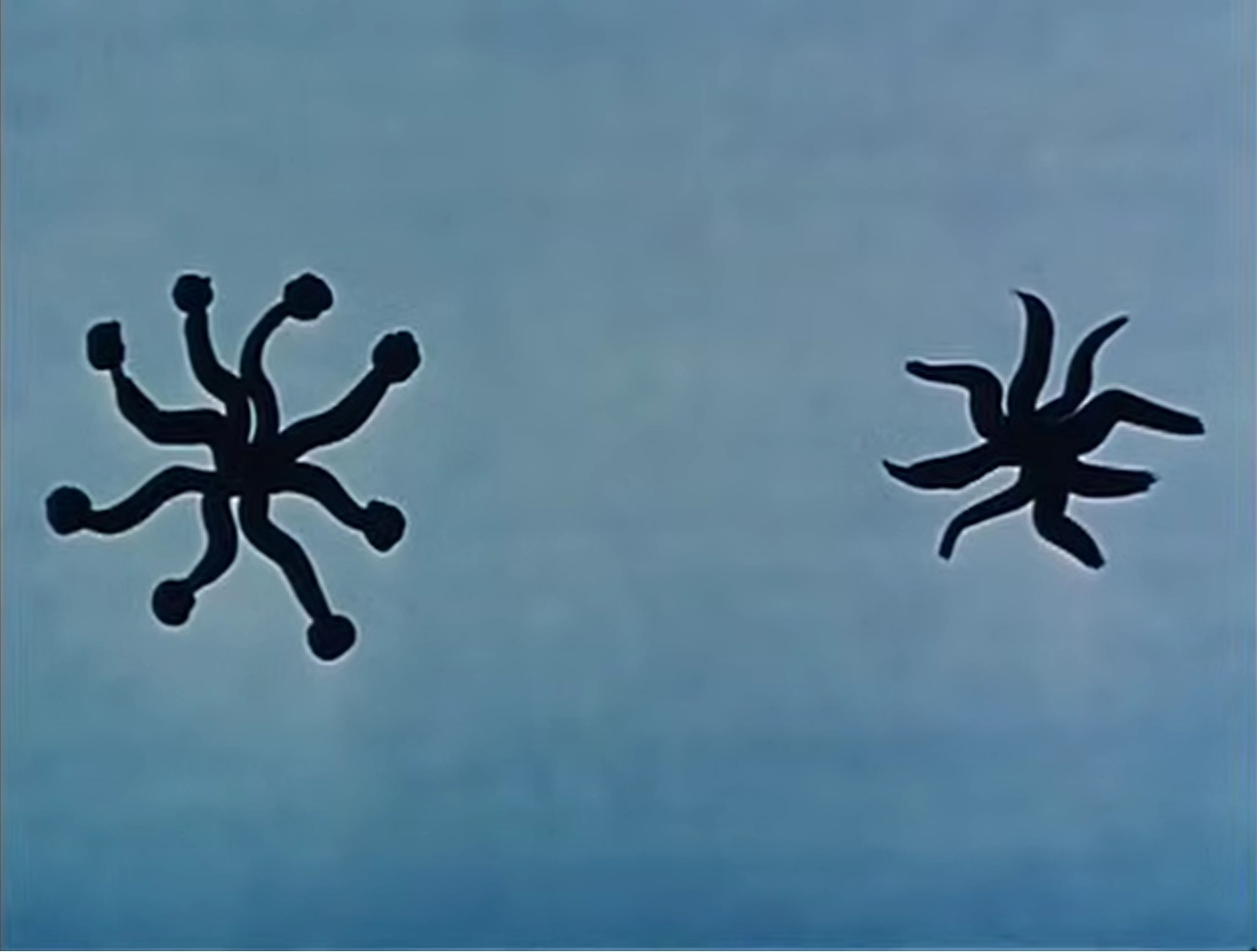
Conceived by Mel Brooks, and directed by UPA alumnus Ernest Pintoff, ‘The Critic’ is a short little unpretentious gem.
The film starts as an abstract animation film (designed and animated by Bob Heath), with several shapes appearing and moving to the baroque harpsichord music of Johann Sebastian Bach’s French Suite. But then suddenly a man starts commenting what he sees with us. The 71-year old Yiddish man of Russian decent certainly disapproves what he sees, but at the same time he seems immersed in the images on the screen, trying to make head and tale of the abstract forms.
Mel Brooks, who voices the critic, is in top form from the man’s first utterance “what the hell is this?” to his final verdict: “I don’t know much about psychoanalysis, but I’d say this is a dirty picture”. The animation seems to be a parody of the work of Norman McLaren of the time: the use of baroque music, choreography of shapes, monochrome background art. the sometimes organic forms, and the sense of narrative elements all point to that direction.Indeed, according to Wikipedia the short was inspired by a screening of a Norman McLaren film Mel Brooks attended, where he overheard a man mumbling to himself during the entire cartoon.
‘The Critic’ is an excellent bit of fun. More people must have thought so, because the short won the Academy Award for best animated short in 1964.
Watch ‘The Critic’ yourself and tell me what you think:
Directors: William Hanna & Joseph Barbera
Airing date: March 29, 1963
Stars: The Flintstones, Yogi Bear & Boo-Boo
Rating: ★★★★
Review:
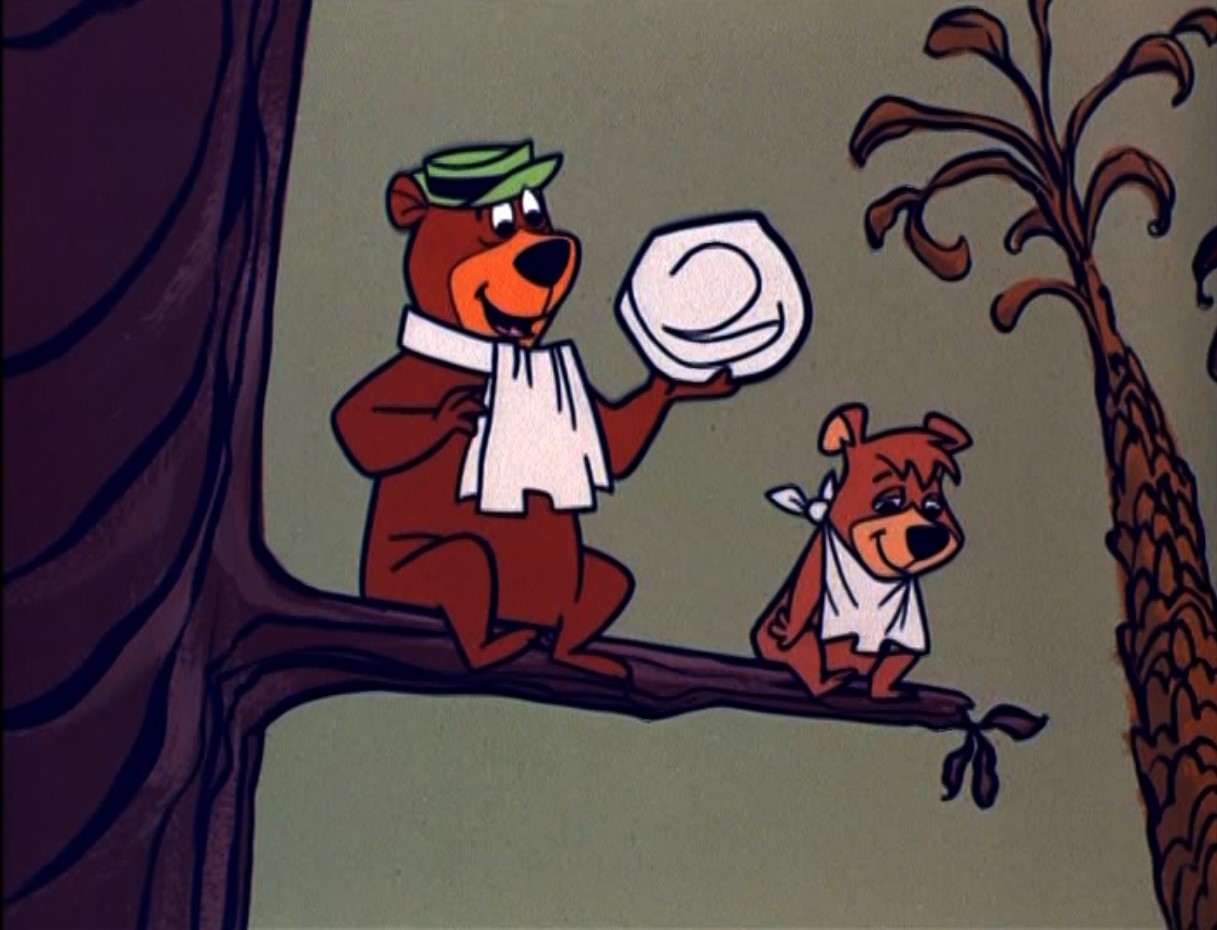
‘Swedish Visitors’ is the first episode since ‘The Surprise‘ that is not connected to (the coming of) young Pebbles. Instead, we follow Fred’s fruitless attempts to have some rest on his well-earned vacation.
The episode knows quite some plot twists, so I won’t reveal more, but the episode is noteworthy for Wilma’s dishonesty, a character trait mostly reserved for Fred, and it is a bit unsettling to see it in Fred’s normally so faithful wife.
‘Swedish Visitors’ also knows a great comedy routine at a bank, in which an unfortunate employee has to roll away three humongous stones to get into a vault. Yogi Bear and Boo-Boo also make a cameo appearance, but it’s the Swedes who make this episode special. Now, the very idea of ‘Swedes’ in prehistory is as preposterous as the yankee-hating colonel was in ‘Fred’s New Job‘, but one particular dumb one forms the direct inspiration for Cousin Svën in the Ren & Stimpy episode ‘Svën Høek’, with his repeated rendering of ‘he is Ole, you are Sven’, which was given to Svën as his opening line in the Ren & Stimpy episode.
Watch an excerpt from ‘Swedish Visitors’ yourself and tell me what you think:
This is The Flintstones Season Three episode 27
To the previous The Flintstones episode: The Big Move
To the next Flintstones episode: The Birthday Party
‘Swedish Visitors’ is available on the Blu-Ray ‘The Flintstones – The Complete Series’ and the DVD-box ‘The Flintstones Season 3’
Directors: William Hanna & Joseph Barbera
Airing date: December 14, 1962
Stars: The Flintstones
Rating: ★★★★
Review:
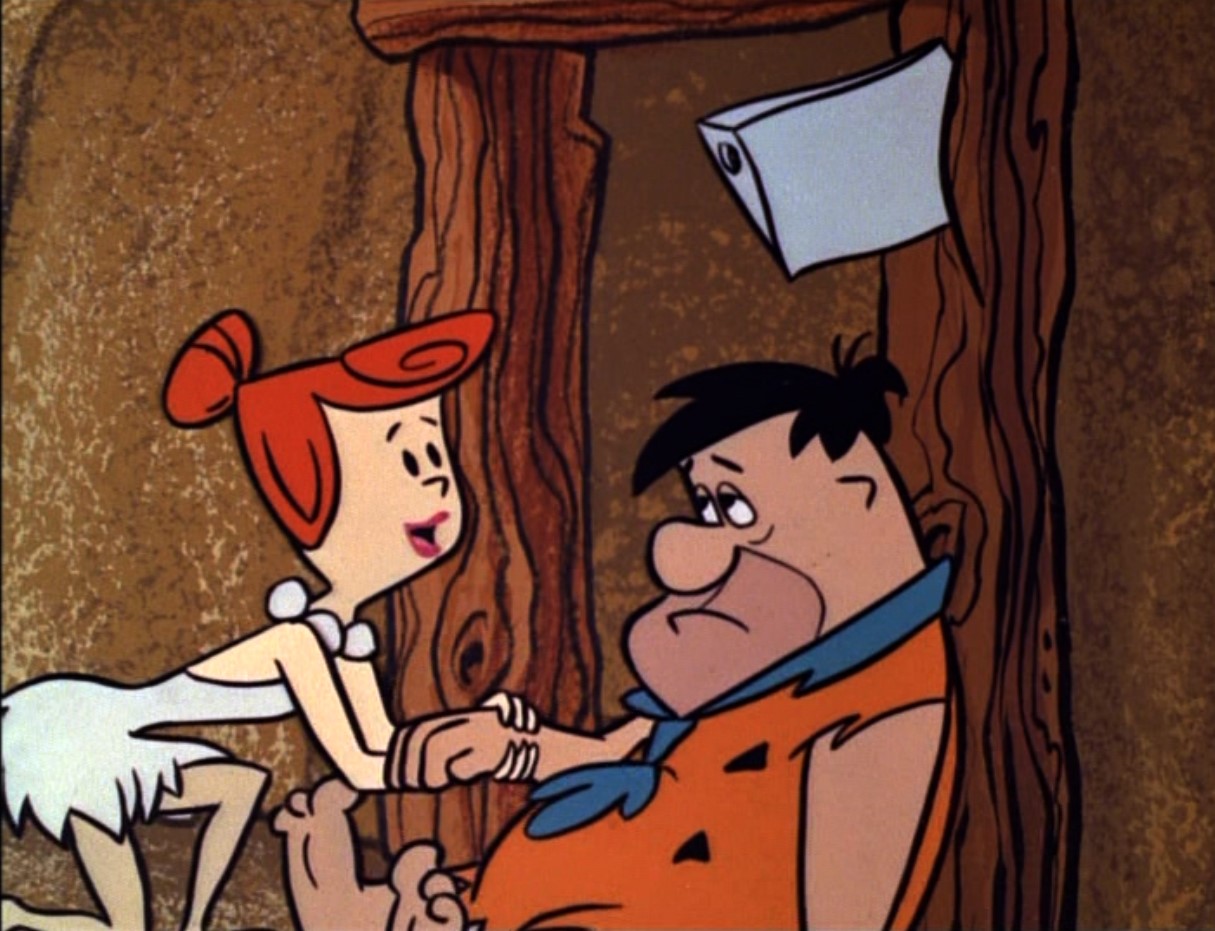
‘Dial “S” for Suspicion’ starts with Fred having applied for a job at the exclusive Stone Valley Inn. As Fred has lied about his degrees and his ability to speak Spanish, one can guess where the episode will head to, but the story takes a surprise turn, in which Fred gets suspicious about his wife to downright paranoid.
It’s almost unbelievable that this sophisticated comedy of errors comes from the same writers as the silly slapstick from ‘Nuthin’ but the Tooth’. When the different characters are played against each other, the Flintstones episodes are so much finer. Fred’s paranoia is enhanced by the score, which features some eerie organ music in several scenes.
The stone age gags are less inspired and consist of a monkey and a mammoth functioning as a shower, a long-billed bird as a can opener, and a particularly silly checkerboard turtle. The designs, too, are erratic, and in some scenes, Fred’s design is downright poor.
Watch an excerpt from ‘Dial “S” for Suspicion’ yourself and tell me what you think:
This is The Flintstones Season Three episode 14
To the previous The Flintstones episode: High School Fred
To the next Flintstones episode: Flashgun Freddie
‘Dial “S” for Suspicion’ is available on the Blu-Ray ‘The Flintstones – The Complete Series’ and the DVD-box ‘The Flintstones Season 3’
Director: Shinichiro Ushijima
Release date: July 24, 2018
Rating: ★★★★
Review:

‘I Want to Eat You Pancreas’ is the first of only two animated feature films by the rather obscure Studio VOLN, which at least I had never heard of before. Studio VOLN isn’t even a big player in the television anime world, with only four series produced thus far. Strangely enough the studio made both its feature films in 2018.
The title of this film, which is a literal translation of the Japanese one, is a contender of the strangest film title of all time award, but what it means is revealed soon enough. The film is based on a novel, and as Japanese animation films often go, there’s nothing that implies the need for animation (except, maybe, for the long spiritual finale).
The film is told by a seventeen year old anonymous schoolboy (his name is only revealed in the very end). He tells about his surprising friendship with a fellow classmate, a girl called Sakura Yamauchi. Sakura is an apt name this character, as Sakura means ‘cherry blossom’, which is a symbol of impermanence in Japan, while the Sakura of the film is already dying from a pancreatic disease at her tender age of seventeen.
Sakura is a bit too much of a pixie girl, and although we also follow her own emotions and anxieties, it’s the story teller’s transformation through her influence that is the film’s focus. At the film’s start the unnamed narrator is a phlegmatic loner, always buried in a book, but indifferent to others and unwilling to commit himself to any relationship. Obviously, the extravert Sakura is going to change all that.
Highlight of this journey is a trip by the two to another town. Part of this trip is told in an original way by still images with dialogue on top, but even better are the scenes in the hotel, which are full of erotic tension. The film’s finale, on the other hand, with its overlong diary sequence is overblown and threatens to harm the complete film. Nevertheless, don’t forget to wait after the end titles!
Throughout, the background art and lighting are both of an extraordinary beauty, making the film a pleasant watch. The character designs, animation and soundtrack on the other hand are very generic and leave much to be desired. In fact, often the animation doesn’t transcend that of the average anime television series. There’s a little computer animation, but this is only used functionally on background art, traffic, fireworks, and such.
Even if the film is not the most interesting one in terms of animation, the film is (for most of the time) well-told, and its emotional tale does move. By all means the film shows that feature animation can be so much more than family entertainment, a message that is still lost on the American studio system.
Watch the trailer for ‘I Want to Eat You Pancreas’ yourself and tell me what you think:
‘I Want to Eat You Pancreas’ is available on Blu-Ray and DVD
Director: Fyodor Khitruk
Release date: 1962
Rating: ★★★★
Review:
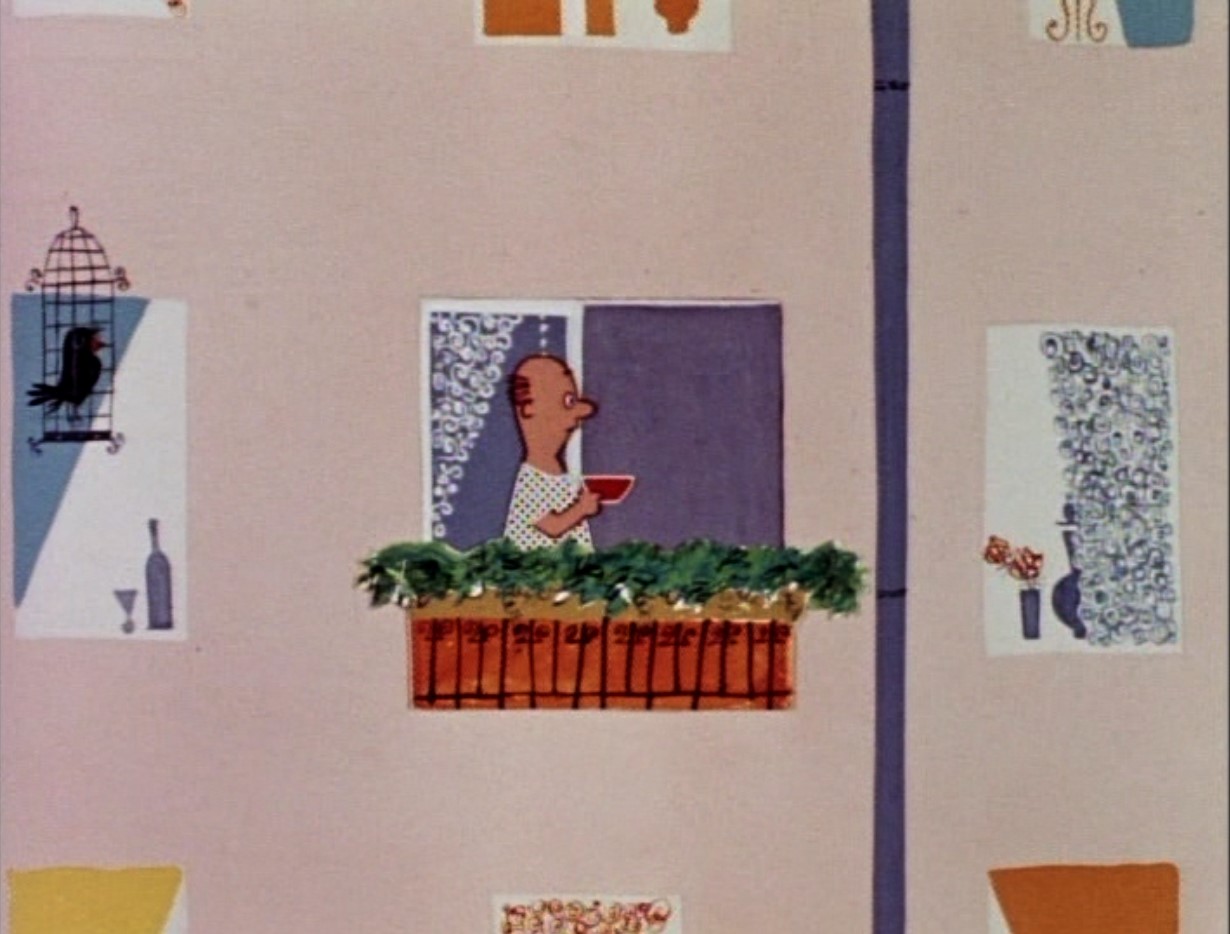
‘Story of One Crime’ was the first film directed by acclaimed film maker Fyodor Khitruk (1917-2012). Khitruk was one of the best comic talents in the Soviet era, as is already visible in this delightful early film.
The short starts with a man sneaking upon two talking ladies and hitting them with a large pan. At that point the narrator interrupts and takes us viewers 24 hours back. The rest of the film is told wordlessly, and shows the criminal, comrade Manin, to be a nice, gentle and hard working man. We watch him going to work, and working at the office.
All seems well, but as soon as he returns to his home, in an apartment block, the problems start. When he wants to rest on his balcony, he’s disturbed by ridiculously loud domino players playing in the courtyard. When he returns inside to watch some television, a neighbor turns on some loud jazz music, and later, when he tries to sleep, more neighbors deprive him of a good night’s rest in various ways. The film ends with a message to the viewers themselves, no doubt, more often than not living in such noisy apartments themselves.
Khitruk tells his tale with an understated sense of humor, and a relaxed, but effective sense of timing. The animation is limited, and far from fluent, but as Khitruk knows how to pose, very effective. The designs by Sergei A. Alimov, too, are a delight: the film is a rare example of Soviet cartoon modern design, and both characters and backgrounds are gorgeous throughout the film. They are partly made by snippets from magazines, and especially the neighbor’s gargantuan stereo installation is a great example of good cut and paste work.
With ‘Story of One Crime’ Khitruk took Soviet animation away from the classic fairy tale worlds of the 1950s into the modern age. The film contains some criticism on Soviet society, which is depicted as less than ideal, but the film was an enormous success, nonetheless.
With this short Khitruk immediately became one of the Soviet Union’s most important animation film makers, as he would prove, e.g. by delivering the world his delightful ‘Vinnie Puch’ (Winnie the Pooh) films of 1969-1972.
Watch ‘Story of One Crime” yourself and tell me what you think:
‘Story of one Crime’ is available on the DVD ‘Masters of Russian Animation Volume 1’
Director: Jan Lenica
Release date: 1961
Rating: ★★★★
Review:
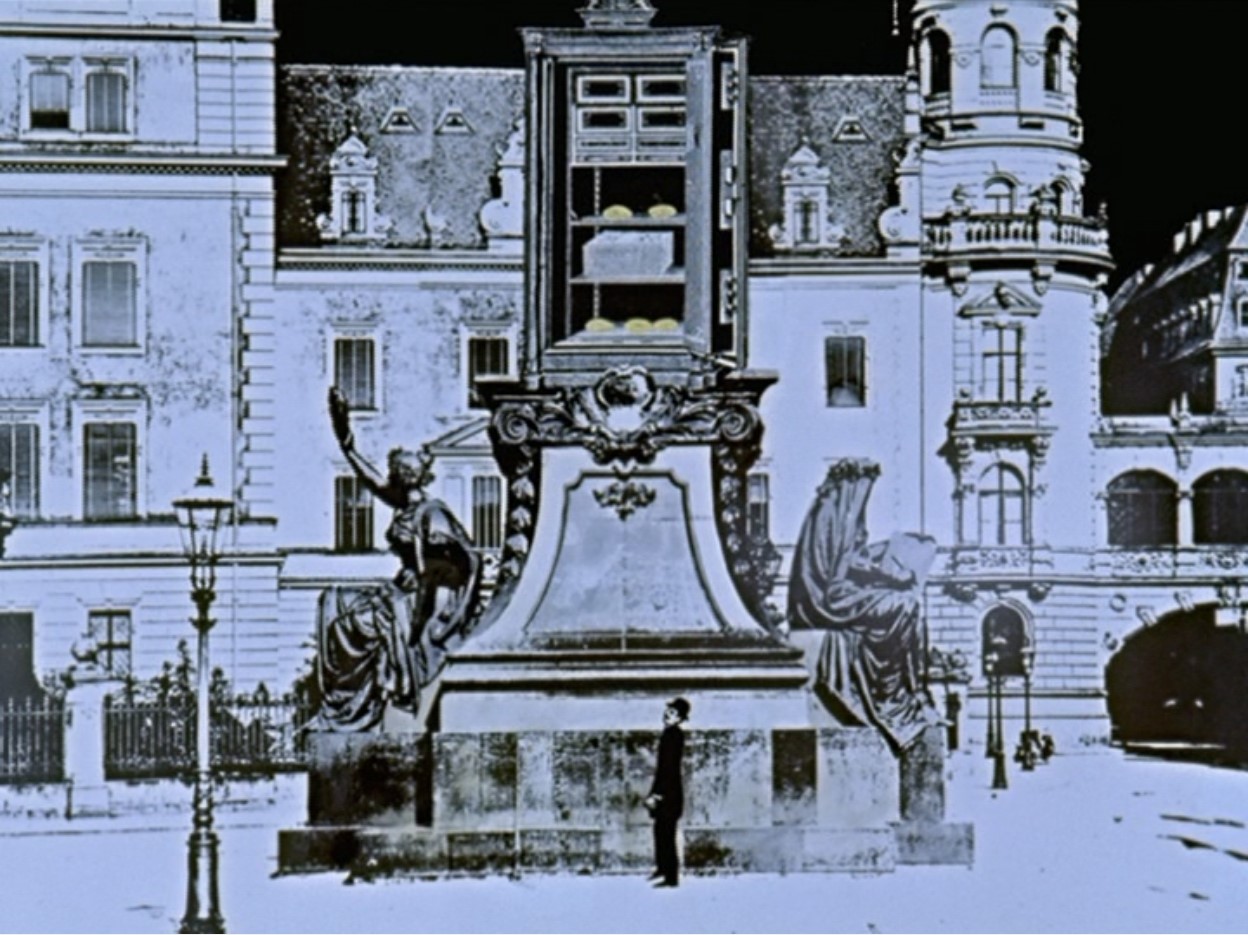
In ‘Labirynt’ a man flies into a seemingly abandoned city, only to find it to be a dangerous place, terrorized by strange creatures and machines, alike.
This is one of those rare animation films from Eastern Europe depicting what it’s like to live in an oppressive communist state. The film is highly surreal, featuring strange creatures, often mixes of animal and human parts, but I am still surprised the film got past the censors. For example, at one moment the man is captured by a bearded machine-man and thoroughly examined. At one key scene we watch is thoughts roaming freely inside his head, only to get barred by a strange contraption. The end, too, in which the man tries to escape the paranoid city is telling enough.
Jan Lenica’s world is based on partly colored old photographs and engravings. His animation is emblematic, but at one point we surely feel the man’s fear, as he tries to flee from his oppressors. The surrealist atmosphere is enhanced by Jan Radlicz’s sound design and by Włodzimierz Kotoński’s score.
Watch ‘Labirynt’ yourself and tell me what you think:
‘Labirynt’ is available on the DVD-set ‘Anthology of Polish Animated Film’
Director: John Lounsberry
Release date: December 20, 1974
Stars: Winnie the Pooh, Piglet, Tigger, Rabbit, Kanga, Roo & Christopher Robinson
Rating: ★★★★
Review:

The third of the Winnie the Pooh-featurettes is based on chapter seven and four from ‘The House at the Pooh Corner’ and both stories are centered around Tigger.
Now Tigger was from the start a wonderful character, superbly animated, and he shines again in his second appearance after ‘Winnie the Pooh and the Blustery Day’ from 1968. In both stories Tigger’s main adversary is the serious and rather sour Rabbit, who, too, is greatly animated, and the enormous difference in movement and expressions between the two characters is a great testimony of what character animation is all about, and of the extraordinary art of the nine old men.
As the two stories are very simple and straightforward, it’s best not to say much else about them, but in the second one Pooh himself is at his best when he discovers some mysterious tracks in the snow. There’s again a little playing with the book setting, even if it’s less than in the previous featurette.
The result is another delightful little film that will appeal to youngsters and adults, alike.
‘Winnie the Pooh and Tigger Too’ was planned as the last of the Winnie the Pooh featurettes, and in 1977 all three were combined into a feature (which had been Walt’s original plan, anyway) called ‘The Many Adventures of Winnie the Pooh’, which adds one last and moving little scene to end it all. Nevertheless, 1983 saw another Winnie the Pooh short ‘Winnie the Pooh and a Day for Eeyore’.
And even that was not the end of the Disney-Pooh-adventure, as in 1988 the television series ‘The New Adventures of Winnie the Pooh’ started, followed by a few television specials and several straight to video features. And of course, in more recent times, the Winnie the Pooh franchise has gotten an update with films like ‘The Tigger Movie’ (2000) and ‘Piglet’s Big Movie’ (2003). One would almost blame the Disney company for milking the Pooh franchise too much, especially when getting far away from the source material, but then the company surprised us with the absolutely delightful ‘Winnie the Pooh‘ from 2011.
Watch an excerpt from ‘Winnie the Pooh and Tigger Too’ yourself and tell me what you think:
‘Winnie the Pooh and Tigger Too’ is available on Blu-Ray and DVD as part of ‘The Many Adventures of Winnie the Pooh’
Director: Caroline Leaf
Release date: 1974
Rating: ★★★★
Review:

‘The Owl Who Married a Goose: An Eskimo Legend’ was the first film acclaimed animator Caroline Leaf made for the National Film Board of Canada.
Done entirely in sand animation (in fact, Caroline Leaf was one of the very first animations to explore this technique for an entire film) the short tells about an owl, who marries a goose, but cannot follow her life style, with disastrous results. The legend is told and sung by real inuit, who also provide the goose’s and owl’s voices. As their Inuktitut language remains untranslated, one is lost in what is said, but luckily Leaf’s charming animation tells it all.
With its simple designs, effective animation and original soundtrack ‘The Owl Who Married a Goose: An Eskimo Legend’ created quite a stir, and the film surely is one of the most Canadian the NFB ever made. After this film Leaf set off to a great career as one of the most interesting of independent animation film makers, creating such intriguing masterpieces like ‘The Street’ (1976) and ‘Two Sisters’ (1990).
Watch ‘The Owl Who Married a Goose: An Eskimo Legend’ yourself and tell me what you think:
‘The Owl Who Married a Goose: An Eskimo Legend’ is available on the DVD ‘Best of the Best – Especially for Kids!’
Director: Marcell Jankovics
Release date: May 27, 1977
Rating: ★★★★
Review:

‘The Struggle’ is as short as Jankovics’s previous film, ‘Sisyphus’ (1974), and again in black and white. This time Jankovics uses pencil on a white canvas to depict a sculptor sculpting a human figure. But then the sculpture itself starts sculpting back…
Jankovics’s design is very realistic, and his animation of the highest quality, but the film is less interesting to look at than ‘Sisyphus’ because this time Jankovics shows more than he suggests. Nevertheless, this is a clever little film that like ‘Sisyphus’ shows that Jankovics was one of the greatest and most interesting animators ever.
Watch ‘The Struggle’ yourself and tell me what you think:
‘The Struggle’ is available on the Blu-Ray of ‘Son of the White Mare’
Director: Marcell Jankovics
Release date: 1974
Rating: ★★★★
Review:

‘Sisyphus’ is a very short animation film, which is indeed about a man pushing a large rock up a steep hill.
The animation is done in black pen on white paper, and there’s no background art whatsoever. Most impressive is Jankovics’s animation: his command of the human form is formidable, and of the suggestion of muscles pushing up an enormous weight absolutely convincing. What’s even more wonderful is that the man is rendered in various variations of abstraction, from quite realistic to only suggestive splashes of ink. The soundtrack, with its very heavy breathing and growning, maybe a little too much, but this short is a wonderful example of the marvelous things animation can do.
Watch ‘Sisyphus’ yourself and tell me what you think:
‘Sisyphus’ is available on the Blu-Ray of ‘Son of the White Mare’
Director: Marcell Jankovics
Release date: 1968
Rating: ★★★★
Review:

‘Dreams on Wings’ is an advertising film, but a most beautiful at that.
All the animation is done in watercolor paintings in very bold colors. Moreover, there’s a lot of metamorphosis, with images hardly staying static for more than a few frames. In one sequence, for example, an image of a galloping centaur changes into an arrow, which changes into a jet, which morphs into an airplane, which form the words Air India, etc.
Also the countries Air India flies to are depicted in the most poetic fashion. For example, Switzerland is depicted by mountains made of chocolate, and Egypt by a camel with a pyramid hump. The colorful images never seize to amaze, and the fun is enhanced further by a lively soundtrack by János Gyulai Gaál.
‘Dreams on Wings’ is available on the Blu-Ray of ‘Son of the White Mare’


 Dr. Grob's Animation Review