Director: Zbginiew Rybczyński
Release date:
1974
Rating: 
★★★
Review:

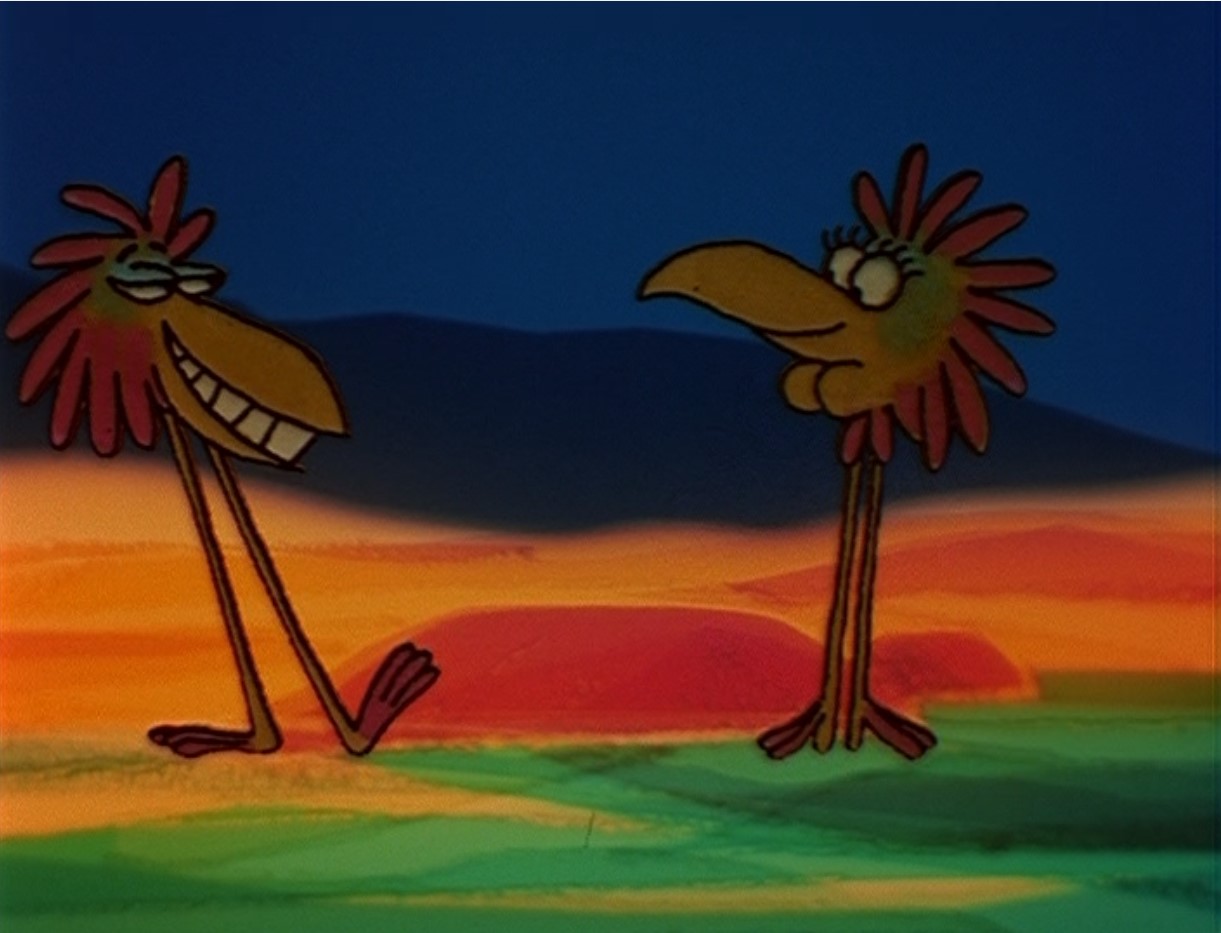
In ‘Soup’ avant-garde film maker Zbigniew Rybczyński shows his fondness of repetitive use of live action material to create startling new images.

Rybczyński would perfect this technique in 1980 with the Academy Award winning short ‘Tango’, but ‘Soup’ already is intriguing and hard to describe. Rybczyński has tinted his source material in stark, contrasting colors, with reds, greens, yellows and blues really popping out of the screen.

The images show the daily routines of a married couple, until it is suggested that the man dies in a train crash. At that point the film burns down. The daily routines are strangely juxtaposed to each other, and there are some very odd touches, like a fork taking a bite out of cheek.

The alienating effect is greatly enhanced by the soundtrack. For sound designer Mieczysław Janik and composer Eugeniusz Rudnik have provided a highly disturbing score full of ordinary sounds amplified to a grotesque effect. For example, when the man brushes his teeth, this rather sounds like a fork scratching on a plate.

I don’t think ‘Soup’ is for everyone, but this intriguing film shows both Rybczyński’s unique approach to film making and the sheer creativity that Communist Poland was in the graphic arts in the 1960s and 1970s.

Watch ‘Soup’ yourself and tell me what you think:

‘Soup’ is available on the DVD-set ‘Anthology of Polish Animated Film’

Director: Mirosław Kijowicz
Release date:
1971
Rating: 
★★★
Review:

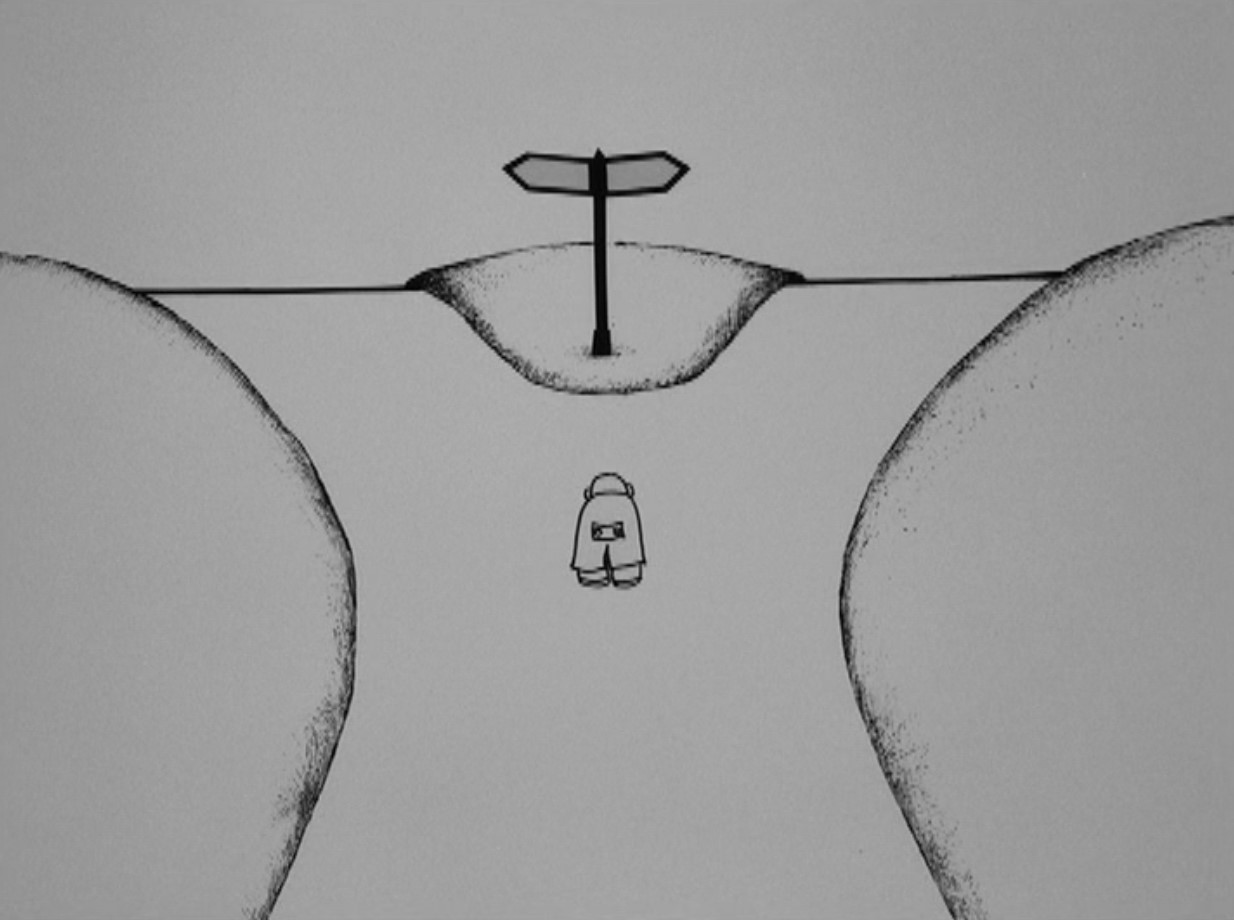
‘The Road’ is a simple little black and white film about a man walking a road, but then he faces a fork in the road.

According to IMDb this is a parable on how choices have consequences, and I can see something in that. Nevertheless the film may be a little too simple, making its message rather vague and puzzling. For example, we only see the man from the back, and only the second choice he has is clearly motivated, with help from a text balloon. Nevertheless, ‘The Road’ is a charming example of the experimental approach to animation in Poland.

Watch ‘The Road’ yourself and tell me what you think:

‘The Road’ is available on the DVD-set ‘Anthology of Polish Animated Film’

Director: Lee Mishkin
Release date:
November 8, 1974
Rating: 
★★★★½
Review:

This short video clip is an all favorite of mine, perfectly illustrating Roger Glover’s rather hippie-like hit song from his concept album for children ‘The Butterfly Ball and the Grasshopper’s Feast’, which in turn is based on a poem with the same title.

Both the original poem, the record were designed by Alan Aldridge, and so is Halas & Batchelor’s animation film, with charming results. Harold Whitaker has turned these images into charming animation very well, and Lee Mishkin does a good job transferring the lyrics to faithful, if often surprising images.

Young Ronnie James Dio’s voice is given to a minstrel frog, who walks to the Butterfly Ball itself, together with a number of a masked animals. Three drunken salamanders provide some comic relief, as does a fat toad at the ball itself. The slightly surreal images are a delight throughout and the clip is over before you know it. I wish the whole record was transferred into animation this way.

Watch ‘Butterfly Ball (Love Is All)’ yourself and tell me what you think:

‘Butterfly Ball (Love Is All)’ is available on the Blu-Ray ‘The Halas & Batchelor Short Film Collection’

Director: Phil Roman
Airing date:
April 9, 1974
Stars: Charlie Brown, Linus, Lucy, Marcie, Peppermint Patty, Sally, Schroeder, Snoopy, Woodstock
Rating: ★★★
Review:

The twelfth Peanuts special was another holiday special, this time celebrating Easter. As with all Peanuts specials the story evolves at a leisurely speed, this time mixing ca. three stories into very short cross-cutting scenes.

The first and most entertaining story is about Peppermint Patty trying to teach Marcie how to paint eggs, but this goes haywire, because Marcie has absolutely no clue on how to prepare the eggs. The second story is about Snoopy buying a birdhouse for Woodstock, who initially shivers in the cold rain. Then there’s a story arc in which Linus tells the gospel of the Easter Bunny, just like he did on the Great Pumpkin.

Several scenes take place in a department store, and some of them are charming, if totally independent of the main story material, like Peppermint Patty, Marcie and Snoopy dancing to some Christmas-themed music boxes. This gives the episode a rather disjointed, almost improvisatory feel.

Vince Guaraldi’s soundtrack is great throughout, giving Snoopy and Woodstock an especially groovy soul-jazz theme, while the Easter Beagle is accompanied by a jazzy version of Beethoven’s seventh symphony.

Watch ‘It’s the Easter Beagle, Charlie Brown’ yourself and tell me what you think:

It’s the Easter Beagle, Charlie Brown’ is available on the DVD-set ‘Peanuts 1970’s Collection Vol. 1’

Director: Phil Roman
Airing date:
February 1, 1974
Stars: Snoopy, Woodstock
Rating: ★★
Review:

‘It’s a Mystery, Charlie Brown’ is the first Peanuts special not to be directed by Bill Melendez. Instead, Phil Roman takes the director’s seat, after co-directing the previous episode, ‘A Charlie Brown Thanksgiving‘ with Melendez.

There’s little wrong with Roman’s directing, except for an odd staging here and there, but ‘It’s a Mystery, Charlie Brown’ is one of the weakest of the Peanuts episodes. Its story is incredibly straightforward, and lacks the little drama of the other episodes. This is mostly because the story is concentrated on Woodstock and Snoopy, instead of the children.

The episode starts with Woodstock trying to build a nest, and it’s this nest that drives the plot. The best parts of the episode deal with the power of imagination: Woodstock almost drowning in the bird bath and Woodstock riding an imaginary elevator. Also great is Snoopy as Woodstock’s attorney, issuing letters full of nonsensical Latin.

But the running gag in which Woodstock gets repeatedly wet falls rather flat, and one senses that more could have been made out of it. Also, the episode’s closing feels rather forced. In fact, the best aspect of the episode is its groovy soul-jazz music, which is a delight throughout the episode.

Watch ‘It’s a Mystery, Charlie Brown’ yourself and tell me what you think:

‘It’s a Mystery, Charlie Brown’ is available on the DVD-set ‘Peanuts 1970’s Collection Vol. 1’

Director: Joško Marušić
Release date:
1979
Rating: 
★★★
Review:

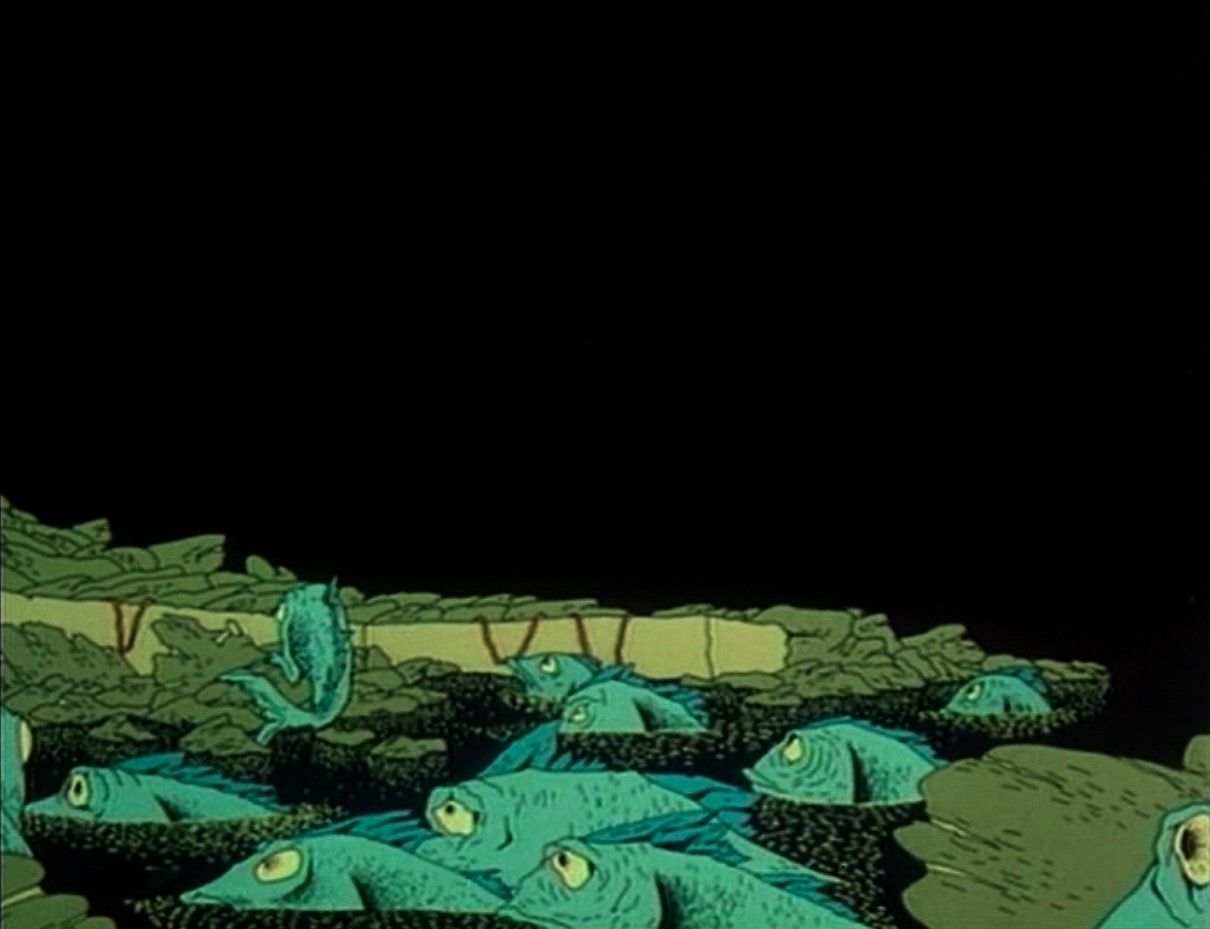
This dark and surreal film starts with fishing villagers saying goodbye to their men who go out fishing on the sea. But when they’re gone, the fish suddenly come to the shore…

‘Fisheye’ is animated very well and knows a sickly color palette with its pale yellows, greens and blues on a black canvas. There’s some great moving perspective animation of the fishing village. The film contains a grim atmosphere, but in the end is too one-dimensional to make a lasting impression. The abrupt and inconclusive ending doesn’t help.

Watch ‘Fisheye’ yourself and tell me what you think:

‘Fisheye’ is available on the DVD ‘The Best of Zagreb Film: Be Careful What You Wish For and The Classic Collection’

Director: Nedeljko Dragić
Release date:
1974
Rating: ★★★★★
Review:

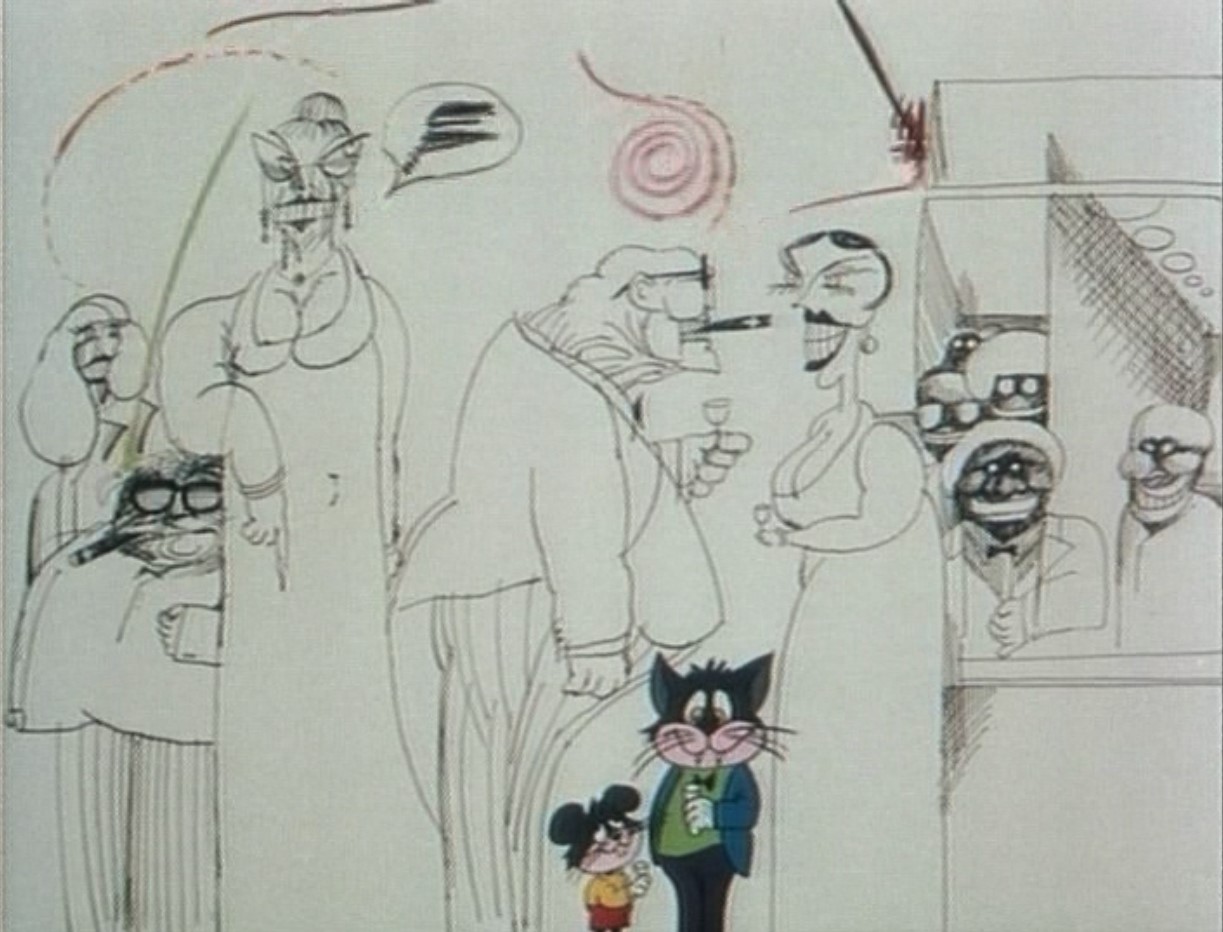
This animated short is very akin to the later ‘Satiemania’ by Zdenko Gašparović. The film features drawings and paintings on a white canvas, which change and morph in a stream-of-consciousness-like fashion.

The short starts with rather Saul Steinberg-like images of a man walking, while changing into all kinds of forms, figurative and abstract. The man then changes into a driver, while all the metamorphosis continues. This part contains some spectacular perspective and moving background animation.

The films then shifts to a party scene, in which a very cartoony mouse and cat form a running gag. From this point the film seems to say something about modern life and modern Western commercialism. As the film progresses, the images get more and more agitated, as if depicting the stressful life in the modern city. The film ends with another walking figure, showing a lonely man on an island inside.

‘Diary’ is a tour de force of imagination, and the images never cease to amaze. Nevertheless, the film’s purpose remains puzzling and leaves the viewer with more questions than answers.

Watch ‘Diary’ yourself and tell me what you think:

‘Diary’ is available on the DVD ‘The Best of Zagreb Film: Be Careful What You Wish For and The Classic Collection’

Director: Zlatko Plavinic
Release date:
1973
Rating:
 ★★
Review:

This is another very short gag cartoon from the Zagreb studio. In this short a man and a woman haggle for paid sex, or are they?

This cartoon features a monochrome ochre background, cartoonish designs, and dialogue in gibberish and loud nos. The single gag unfortunately is too lame for words.

‘Okay!’ is released on the DVD ‘The Best of Zagreb Film: Be Careful What You Wish For and The Classic Collection’

Director: Radivoje Gvozdanović
Release date:
1972
Rating: ★★★
Review:

This is a very short cartoon not clocking even one minute in which a man gets bunt at a stake. When the flames reach him he starts to pray…

This is a one gag cartoon that is over before you know it and a great example of the quirky humor that prevailed in the Zagreb Film studio.

Watch ‘Prayer’ yourself and tell me what you think:

‘Prayer’ is available on the DVD ‘The Best of Zagreb Film: Be Careful What You Wish For and The Classic Collection’

Director: Zlatko Grgić
Release date:
1971
Stars: Maxicat
Rating: ★★★
Review:

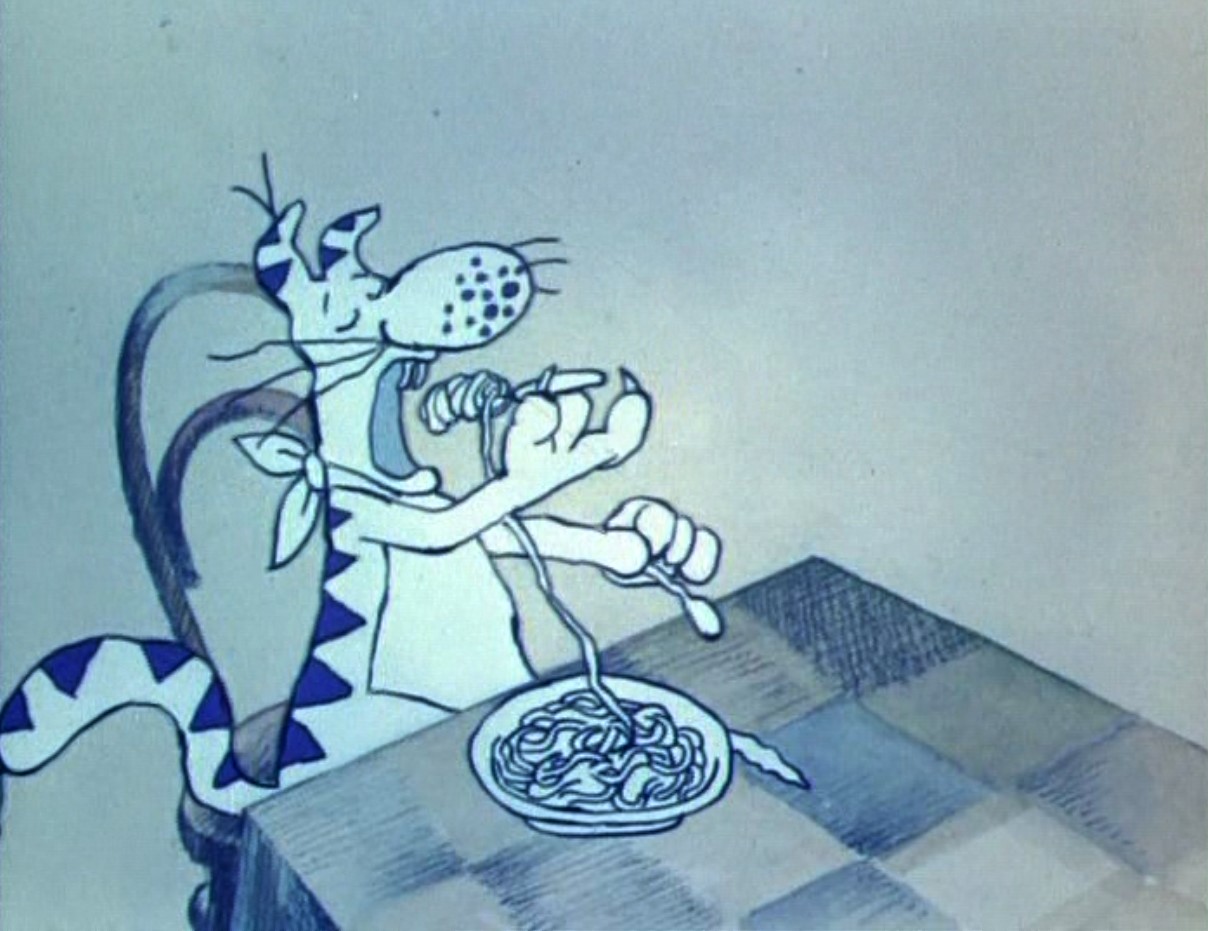
These are three very short episodes of the Maxicat series, which consisted of 24 episodes in total. These feature a very cartoony cat with a big nose experiencing Pink Panther-like adventures on a grey, featureless canvas.

In the first Maxicat finds a magical hat, in the second he eats spaghetti, and in the last he finds a flying broom. All three are short and classic gag cartoons with the dialogue-less action being accompanied by very jolly music. As these three episodes prove, Maxicat is an enjoyable series from the very creative Zagreb Film Studio from Yugoslavia.

Watch some Maxicat episodes yourself and tell me what you think:

These Maxicat episodes are available on the DVD ‘The Best of Zagreb Film: Be Careful What You Wish For and The Classic Collection’

Directors: Bill Melendez & Phil Roman
Airing date:
November 20, 1973
Stars: Charlie Brown, Franklin, Linus, Lucy, Marcie, Peppermint Patty, Sally, Snoopy, Woodstock
Rating: ★★★
Review:

‘A Charlie Brown Thanksgiving’, the tenth of the Peanuts television specials, is the third of the Charlie Brown holiday specials, this time devoted to Thanksgiving. As such it’s a little preachy, especially through Linus’s lines.

The episode’s main problem is caused by Peppermint Patty when she invites herself, Marcie and Franklin over to Charlie Brown’s house, when he’s not even supposed to be home. Luckily, Linus, Snoopy and Woodstock help out.

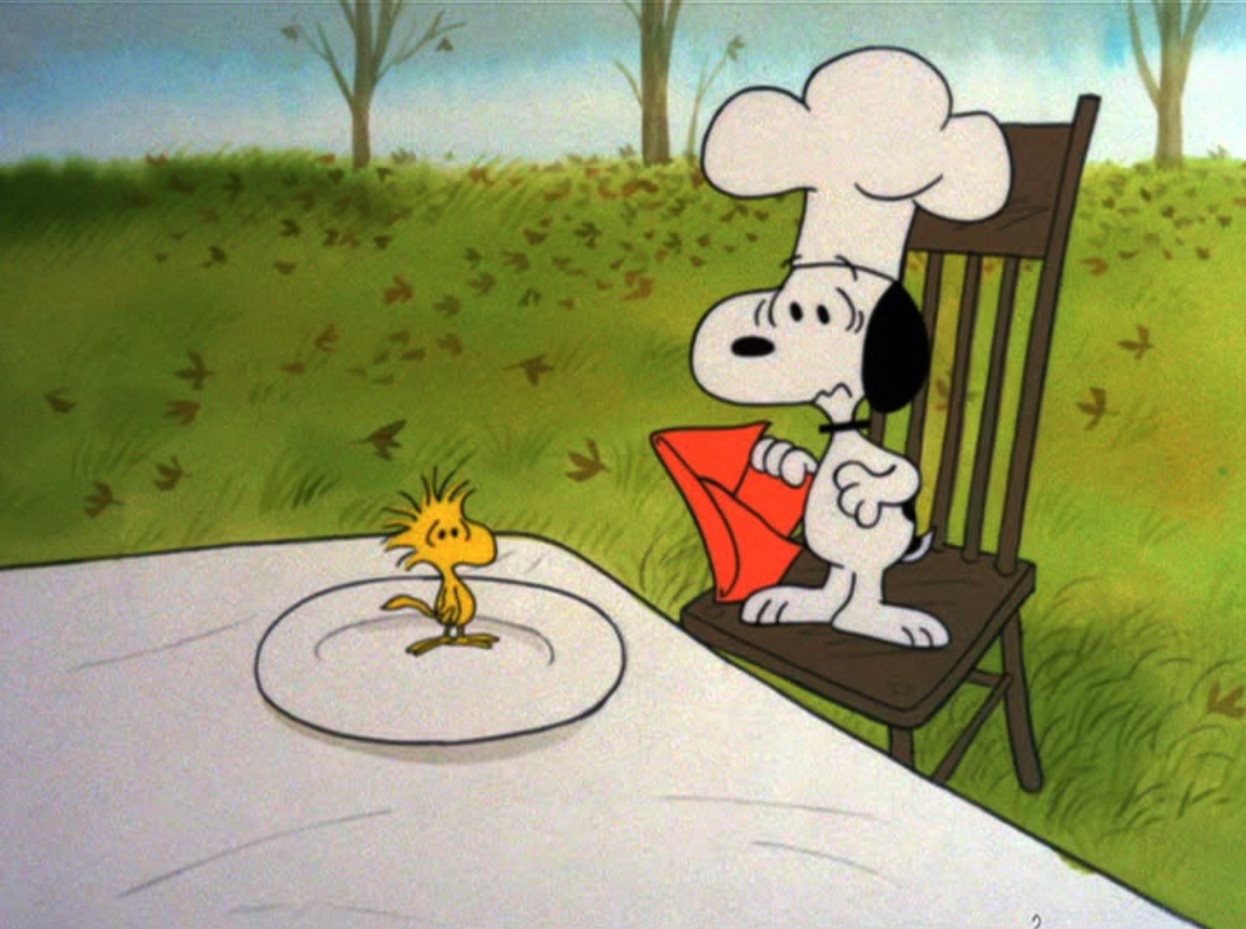
The episode’s highlight is the silent comedy of Snoopy and Woodstock setting up a dinner table in the yard. This part is accompanied by a charming soul song devoted to the little yellow bird. Actually, the background music is very charming throughout most of the episode, with Vince Guaraldi lively piano trio music, joined by Tom Harrell on trumpet and Chuck Bennett on trombone. Only when Snoopy and Woodstock are putting on Thanksgiving costumes, this is exchanged for some ugly electronic music.

As always with the Peanuts films, the pace is relaxed. The animation is fair, if not outstanding, and the characters charming, and faithful to Schulz’s original comic strip.

Watch an excerpt from ‘A Charlie Brown Thanksgiving’ yourself and tell me what you think:

‘A Charlie Brown Thanksgiving’ is available on the DVD-set ‘Peanuts 1970’s Collection Vol. 1’

Director: Marcell Jankovics
Release date:
May 27, 1977
Rating: 
★★★★
Review:

‘The Struggle’ is as short as Jankovics’s previous film, ‘Sisyphus’ (1974), and again in black and white. This time Jankovics uses pencil on a white canvas to depict a sculptor sculpting a human figure. But then the sculpture itself starts sculpting back…

Jankovics’s design is very realistic, and his animation of the highest quality, but the film is less interesting to look at than ‘Sisyphus’ because this time Jankovics shows more than he suggests. Nevertheless, this is a clever little film that like ‘Sisyphus’ shows that Jankovics was one of the greatest and most interesting animators ever.

Watch ‘The Struggle’ yourself and tell me what you think:

‘The Struggle’ is available on the Blu-Ray of ‘Son of the White Mare’

Director: Marcell Jankovics
Release date:
1974
Rating: 
★★★★
Review:

‘Sisyphus’ is a very short animation film, which is indeed about a man pushing a large rock up a steep hill.

The animation is done in black pen on white paper, and there’s no background art whatsoever. Most impressive is Jankovics’s animation: his command of the human form is formidable, and of the suggestion of muscles pushing up an enormous weight absolutely convincing. What’s even more wonderful is that the man is rendered in various variations of abstraction, from quite realistic to only suggestive splashes of ink. The soundtrack, with its very heavy breathing and growning, maybe a little too much, but this short is a wonderful example of the marvelous things animation can do.

Watch ‘Sisyphus’ yourself and tell me what you think:

‘Sisyphus’ is available on the Blu-Ray of ‘Son of the White Mare’

Director: Marcell Jankovics
Release date:
1968
Rating: 
★★★★
Review:

‘Dreams on Wings’ is an advertising film, but a most beautiful at that.

All the animation is done in watercolor paintings in very bold colors. Moreover, there’s a lot of metamorphosis, with images hardly staying static for more than a few frames. In one sequence, for example, an image of a galloping centaur changes into an arrow, which changes into a jet, which morphs into an airplane, which form the words Air India, etc.

Also the countries Air India flies to are depicted in the most poetic fashion. For example, Switzerland is depicted by mountains made of chocolate, and Egypt by a camel with a pyramid hump. The colorful images never seize to amaze, and the fun is enhanced further by a lively soundtrack by János Gyulai Gaál.

‘Dreams on Wings’ is available on the Blu-Ray of ‘Son of the White Mare’

Directors: John & Faith Hubley
Release date:
1973
Rating: 
★★★★
Review:

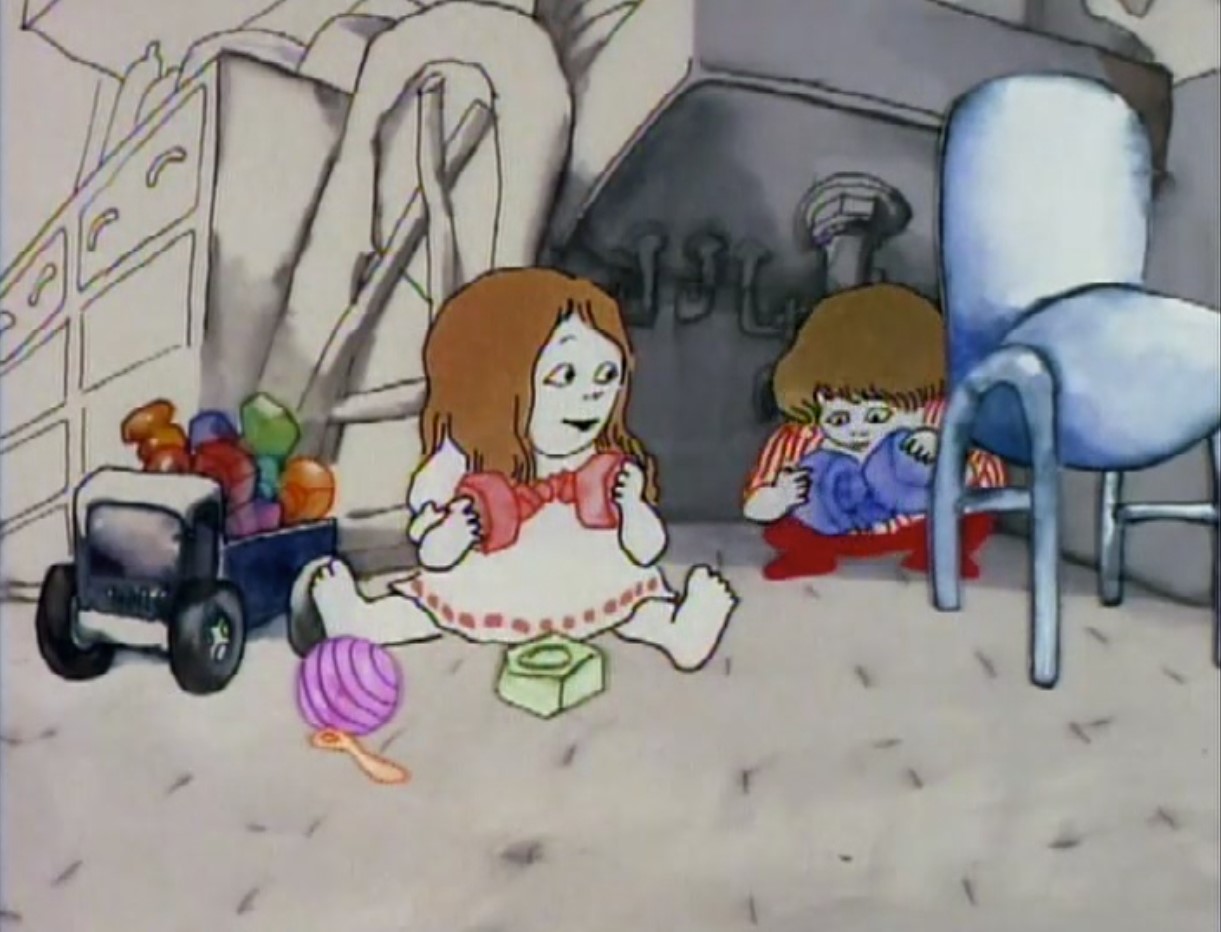
In ‘Cockaboody’ John and Faith Hubley returned to the techniques and world of ‘Moonbird‘ (1959). Once again they recorded the voices of their own children, this time the toddlers Emily and Georgia, while playing. The soundtrack is thus by design completely improvised and as children’s conversations go, all over the place.

John and Faith Hubley illustrate the dialogue with delightful drawings that augment the fantasy of the two girls. For example, when Georgia goes into a tantrum, it takes the form of a green tiger threatening her older sister. Or when Georgia utters the original word ‘cockaboody’, which gives the film its title, it’s transformed into a mysterious duck-like creature.

The watercolor background art convincingly depicts the Hubley’s house as one big place to play in. Throughout the film, we remain with the two little girls, for one little scene in which we see the mother’s reaction to the loud noises the two toddlers produce.

‘Cockaboody’ may be a rather random film, starting and ending nowhere, but in between we have a lovely ride together with the two children.

Watch ‘Cockaboody’ yourself and tell me what you think:

‘Cockaboody’ was released on the DVD ‘Selected Films of John and Faith Hubley 1956-1973’, which came with the March/April 2014 issue of magazine ‘The Believer’

Director: Fyodor Khitruk
Release date:
1973
Rating: 
★★★★
Review:

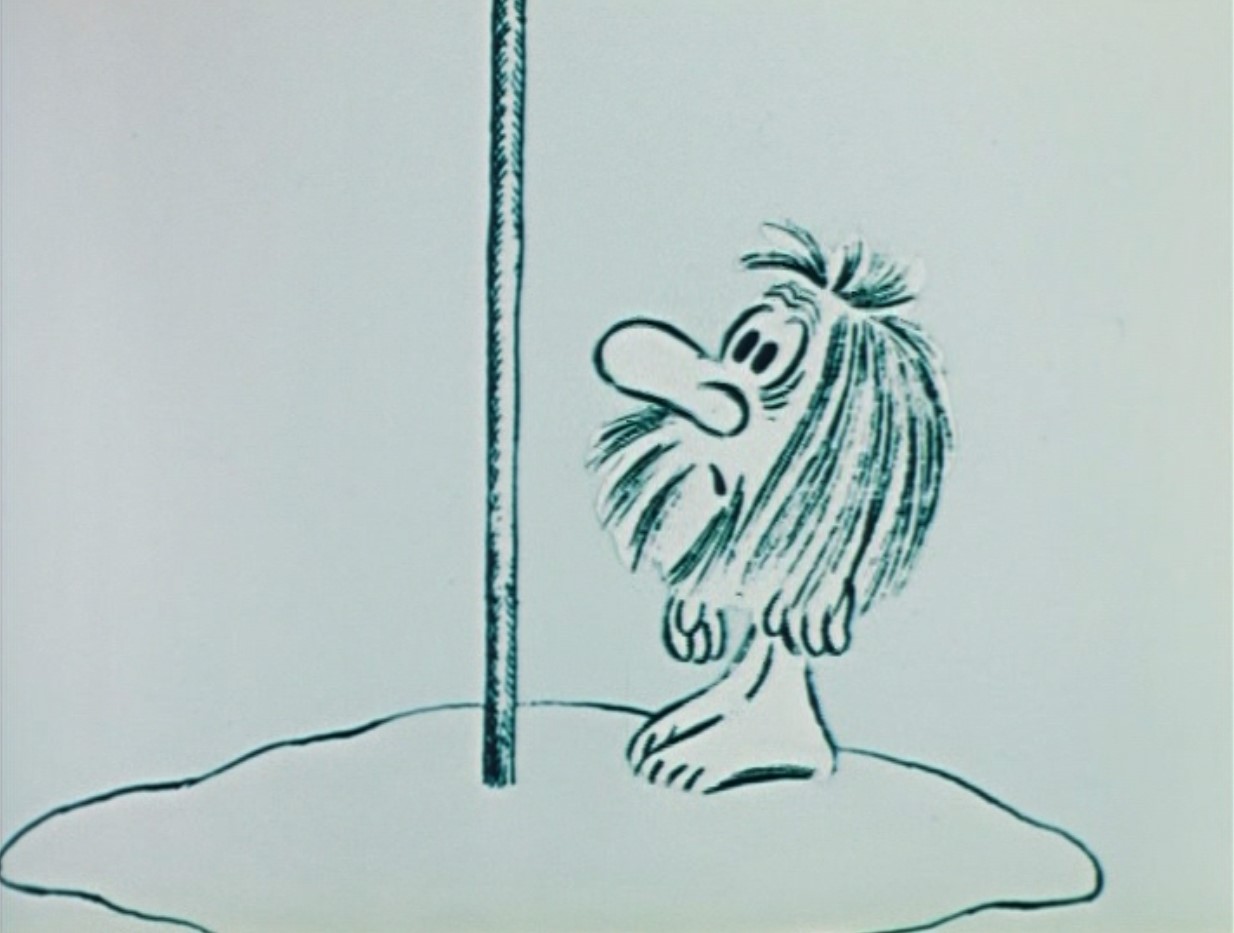
‘The Island’ is a short gag film in which a bearded castaway is stranded on a tiny island.

Khitruk explores this traditional cartoon setting, and brings it into new directions. The man longs to be rescued, but nobody helps him, though the ocean turns out to be very crowded, indeed. In fact, in the end, the man is far worse off than he was in the beginning.

Khitruk’s cell animation is effective, his designs are charming, and his timing is excellent. But the film is more than just a mere series of gags, as Khitruk satirizes man’s aggression, greed, emptiness and folly. It’s signifying that the only person helping the main protagonist, is one who has even less than the castaway he helps. Thus ‘Island’ is more than just a little gag film, it’s a humorous essay on the human condition, and it’s not an optimistic one.

Watch ‘The Island’ yourself and tell me what you think:

‘The Island’ is available on the DVD ‘Masters of Russian Animation Volume 2’

Director: Yuri Norstein
Release date:
1973
Rating: 
★★★★
Review:

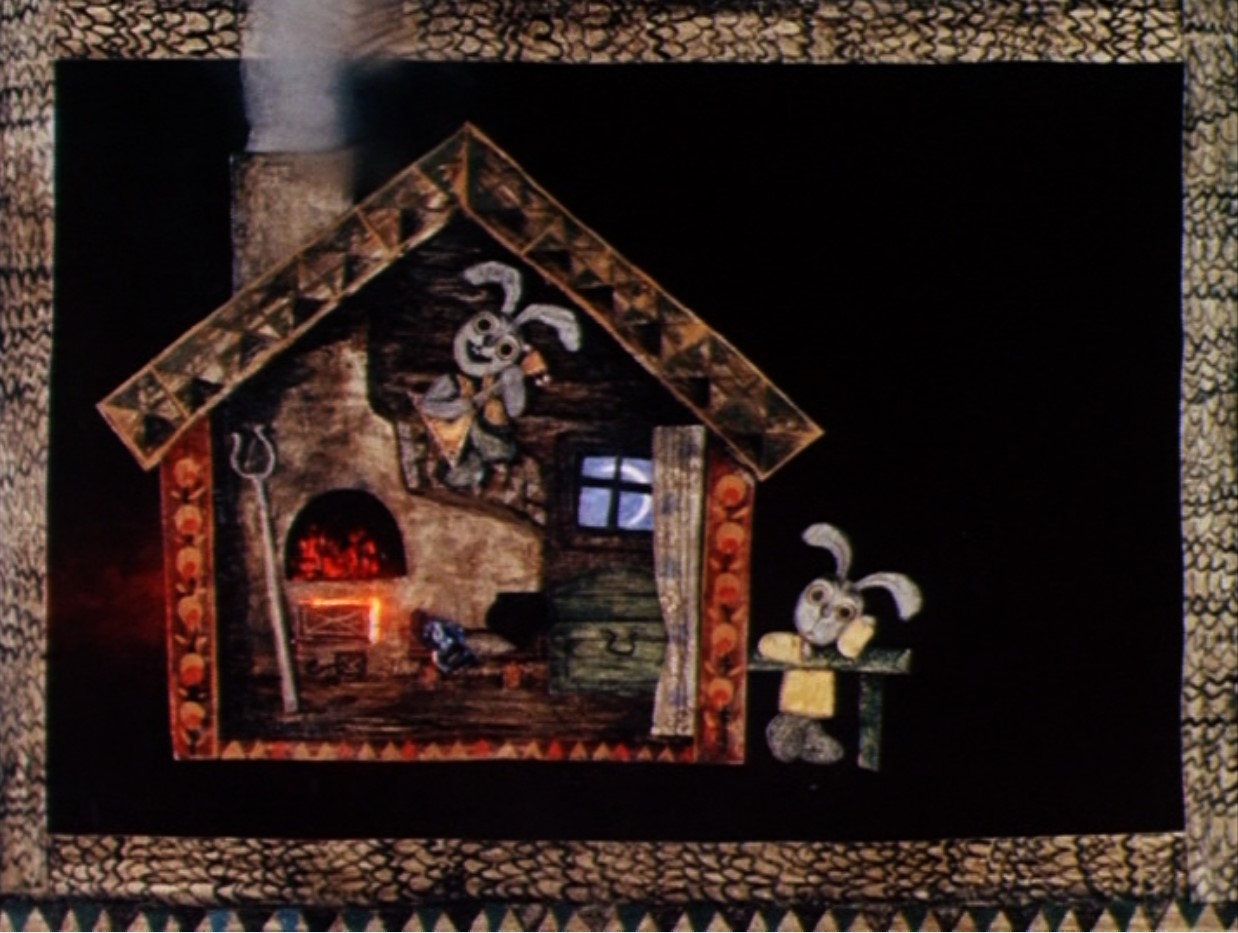
In ‘Fox and Rabbit’ (actually Fox and Hare) Norstein retells a Russian folktale in which a fox chases a rabbit out of his own house. A wolf, a bear and a bull all three promise the rabbit to help him regain his house, but when threatened by the fox they run off. Only a small rooster at least tries it.

The story is told by a voice-over, and is illustrated in a very charming semi-folkloristic style, which striking and colorful supposedly wooden frames framing the action, as if were looking at paintings. M. Meyerovich’s, rather Stravinsky-like music only adds to the folkloristic character. Norstein’s cut-out animation, meanwhile, is of the highest order, and full of little subtleties, signifying the different characters.

‘Fox and Rabbit’ may be less famous than the later ‘Hedgehog in the fog’ (1975) or ‘Tale of Tales‘ (1979), the film already shows Norstein’s extraordinary talent and charming animation style. Fyodor Khitruk thought highly of the film, and was completely surprised that such commonplace material (Soyuzmultfilm had made fable films for several decades) turned into such an original, idiosyncratic film.

Watch ‘Fox and Rabbit’ yourself and tell me what you think:

‘Fox and Rabbit’ is available on the DVD ‘Masters of Russian Animation Volume 2’

Director: Andrei Khrzhanovsky
Release date:
1973
Rating: 
★★★
Review:

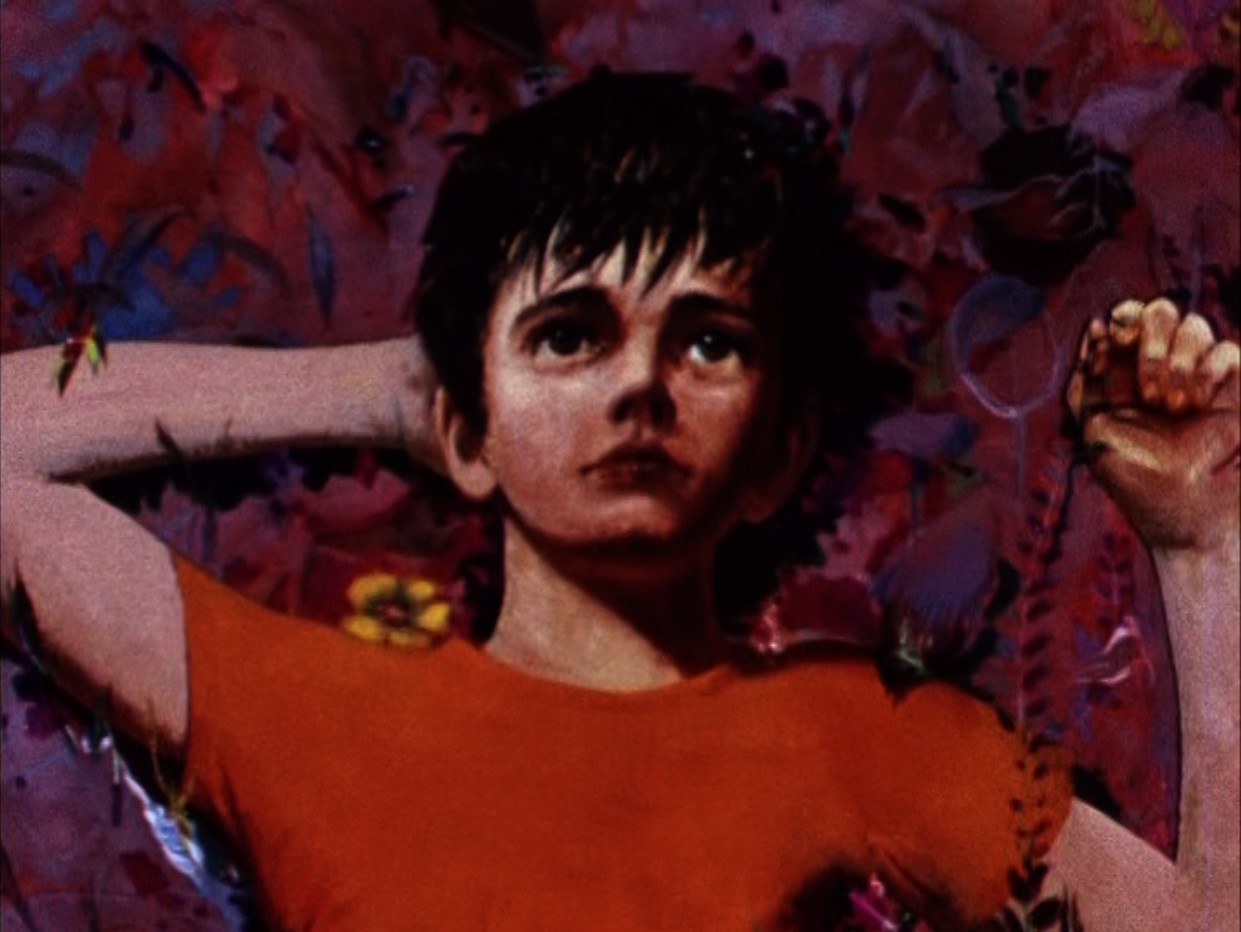
In ‘Butterfly’ a boy catches some butterflies, but after a nightmarish scene in which he himself is trapped, he releases them again.

The plot of ‘Butterfly’ is far from original, and rather predictive and boring, but Khrzhanovsky’s eclectic style is not. Part of the story is told in still oil paintings, but there’s also a little cell animation and cut-out animation.

The oil paintings are most interesting, with their rather high level of realism, and their painful contrast between colorful nature, and the dull, grey world of the modern city. Especially the scene inside the boy’s flat is most depressing, with only grey electronic robots to play with. Nevertheless, the most striking aspect of this film are not the animation nor the visuals, but the fascinating score by avant-garde composer Alfred Schnittke.

Watch ‘Butterfly’ yourself and tell me what you think:

‘Butterfly’ is available on the DVD ‘Masters of Russian Animation Volume 2’

Director: John Hubley
Release date:
1974
Rating: 
★★½
Review:

In ‘Voyage to Next’ mother Earth (voiced by Maureen Stapleton) and father Time (voiced by Dizzy Gillespie, who also provides the jazzy score) discuss humankind, and how its only hope is collaboration and sharing.

‘Voyage to Next’ is directed by John Hubley, but the pleasant designs of the two gods display the huge influence of Faith Hubley, who produced the film. The dialogue is improvised, and to be frank, rather rambling and disjointed, hampering the message. In fact, between an early conclusion that mankind is going nowhere and the final one that only collaboration will help little is happening in between.

‘Voyage to Next’ is very nice to look at, but little else, and one wishes the Hubleys for once would abandon their improvisational style for something more cohesive.

Watch ‘Voyage to Next’ yourself and tell me what you think:

‘Voyage to Next’ was released on the DVD ‘Art and Jazz in Animation’, which has been long out of print

Directors: John & Faith Hubley
Release date:
1972
Rating: 

Review:

‘Dig’ is a children’s film about geology and paleontology.

A New York boy called Adam is taking his bike and dog Bones to fetch some milk, but ends up with a Rock called Rocko, who talks with a New York accent, and who takes Adam and Bones into the earth’s crust to tell about e.g. stalactites, volcanoes, earthquakes and types of rocks. In the end the trio journeys through time, from the Precambrian through the Paleozoic, Mesozoic and Cenozoic eras.

‘Dig’ boasts charming animation and a funky score by Quincy Jones, but the four songs are rather tiresome, the pacing is very slow, and the educational value negligible. The information misses context, and the images are often too vague to illustrate the message well enough. In all, ‘Dig’ certainly is not one of John and Faith Hubley’s best.

Watch ‘Dig: A Journey into the Earth’ yourself and tell me what you think:

‘Dig: A Journey into the Earth’ was released on the DVD ‘Art and Jazz in Animation’, which has been long out of print

Enter your email address to follow this blog and receive notifications of new posts by email.

Join 915 other subscribers
Bookmark and Share

Categories