
You are currently browsing the tag archive for the ‘2020’ tag.
Directors: Tomm Moore & Ross Stewart
Release date: October 30, 2020
Rating: ★★★★★ ♕
Review:
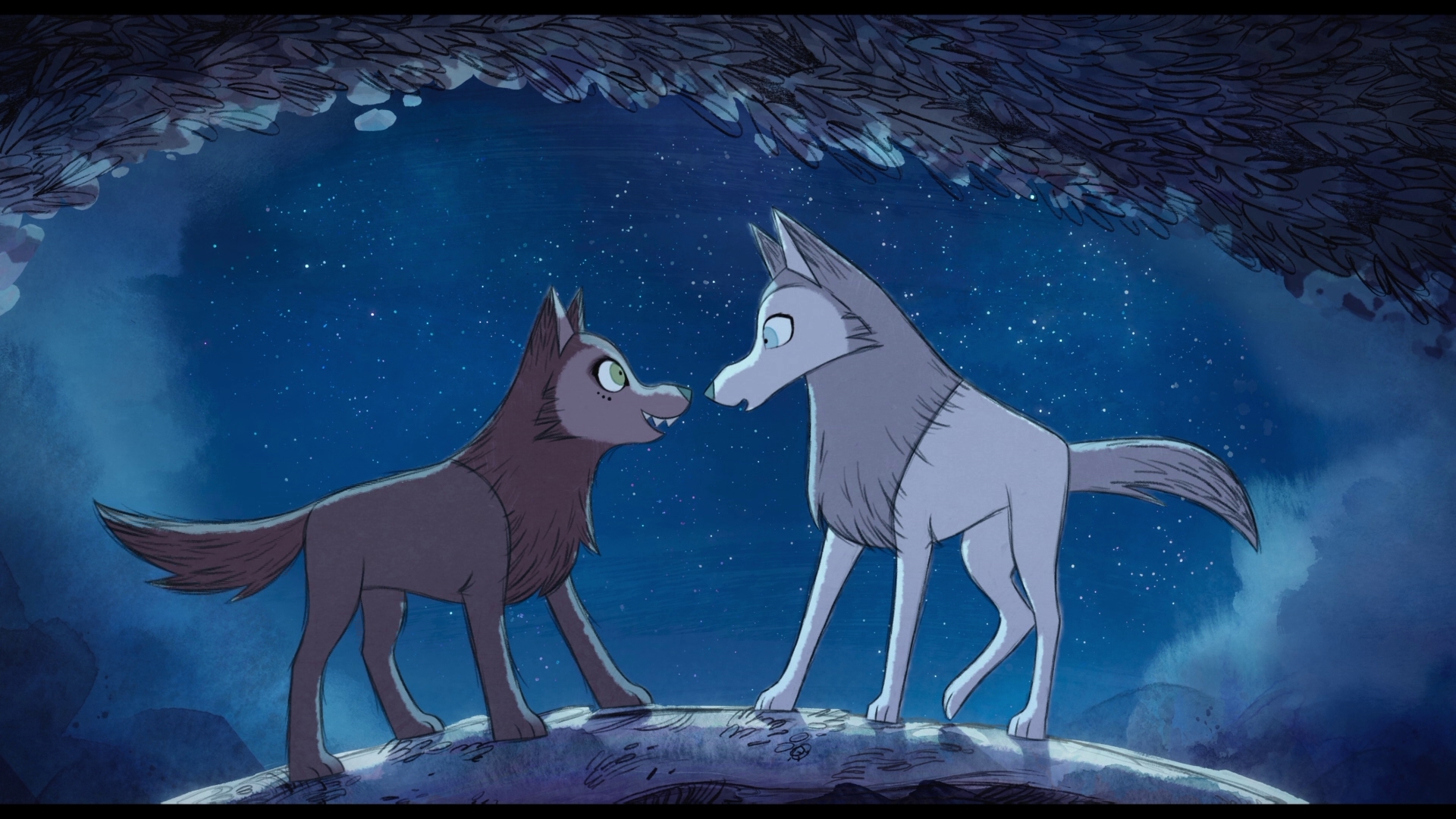
When these films were released, I doubt that many people were aware of that, but Irish studio Cartoon Saloon’s ‘The Secret of Kells’ (2009) and ‘Song of the Sea’ (2014) were part of an Irish folklore trilogy, which was rounded up in 2020 by ‘Wolfwalkers’.
All three films are indeed deeply rooted in Irish culture, and could not have been made elsewhere, but certainly ‘Song of the Sea’ and ‘Wolfwalkers’ also feature universal stories, ‘Song of the Sea’ one of loss and grief, ‘Wolfwalkers’ one of repression.
The idea of ‘Wolfwalkers’ is rooted in the fact that Ireland once used to be a forested country, with wolves roaming around. According to Wikipedia the last wolf in Ireland was killed in 1786, thus the species has long since been extinct on the island. The film goes further back, though, to the town of Kilkenny in 1649-1650, during Oliver Cromwell’s invasion of Ireland (who, without doubt, is the Lord Protector of the film, even though the film makers turn him into a fictional character, resulting in an alternate history ending).
In this town we follow English hunter Goodfellowe, who is deployed by the Lord Protector to hunt down the wolves of the forests surrounding the town, and his feisty daughter, Robyn, who befriends an even livelier mysterious forest girl called Mebh. In an interview on the Kaboom! Animation Festival director Tomm Moore told us they first thought of Robyn as a boy, but a girl fitted better, as she would feel the repressive times even more than a boy would do. And indeed, the film is not necessarily about repression of the Irish, but about repression in general, not in the least of women, with Robyn being forced into a gender role very unsuitable for her (or any other woman of the era, for that matter). It’s painful to see that Robyn’s own father ties the knots to in order to protect her (this story arc is reminiscent of ‘Finding Nemo’ – both films star over-protected fathers stifling their children). This makes ‘Wolfwalkers’ one of at least two great feminist animation films of 2020, the other one being ‘Calamity, une enfance de Martha Jane Cannary’ from France.
Apart from repression the film discusses deep topics like man vs. nature, Christianity vs. paganism, certainty vs. softness, man vs. woman, and single truth fanatism vs. a multi-voiced and more ambivalent reality, all packed in a perfectly told and family friendly adventure fantasy film. ‘Wolfwalkers’ is also vaguely reminiscent of Ghibli’s ‘Princess Mononoke’ from 1997: both films show the problems of man’s handling of nature, without regressing to a mere good and evil. Indeed, the Lord Protector as depicted, is less cruel than I presume the real Oliver Cromwell would have been (no one gets killed in the movie, for example), and his motivations are clearly explained. The film makes clear that the Lord Protector is not necessarily evil, but a fanatic, who is certain that he is on the right path.
As with the previous two Irish folklore films ‘Wolfwalkers’ is an absolutely delight to look at. The film uses very stylized designs and strong color arrangements, both in characters and in the background art. The rigid straightforwardness of the Lord Protector and the city is translated by the straight horizontals and verticals depicting the town, and even of many of its inhabitants. The film makers even show the town as a straight grid when seen in the distance, showing the town with a daringly complete lack of perspective. The grid-like is greatly contrasted by the curves of the forest, which symbolize freedom from the societal straitjackets of the city. The film becomes even more free, when showing the raw animation drawings of running wolves, with the digital pencil lines themselves becoming free from restriction. In this respect, this film is even more beautiful than the two earlier pictures – in fact every frame is a beauty, making this film one of the most beautiful animation films ever made.
The animation is of a high standard anyway: despite all the flat designs there’s a lot of perspective animation and there are even quite a lot of moving backgrounds, especially during the scent and running scenes. The character animation is subtle and often understated. For example, the character difference between Robyn and Mebh is shown by the different movements of the two characters, while Goodfellowe becomes less mobile when the repression ties him further and further.
In all, ‘Wolfwalkers’ is easily the best animation film of 2020, even outcompeting the strong Pixar film ‘Soul’, and must be ranked among the best animation films of all time. Strongly recommended.
Watch the trailer for ‘Wolfwalkers’ yourself and tell me what you think:
‘Wolfwalkers’ is available on the Blu-Ray or DVD set ‘Cartoon Saloon’s Irish Folklore Trilogy’
Director: Pete Docter
Release date: October 11, 2020
Rating: ★★★★★
Review:
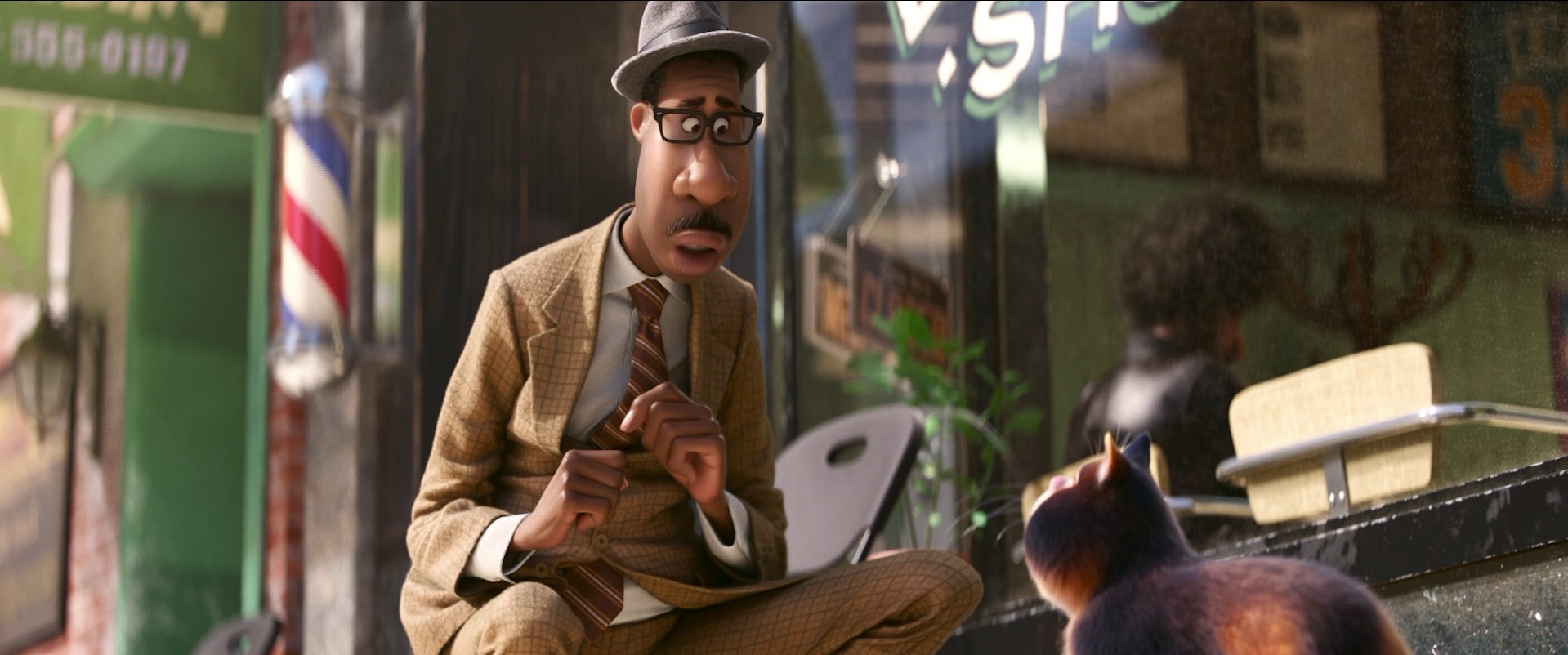
From the 2010s on Pixar’s output became very erratic. Excellent films became rarer, and too much of their output was just okay or even subpar. That said, the studio’s summits were still higher than anything in American studio animation around it, as ‘Soul’ for example proves.
What sets Pixar apart from all other American animation studios is its will to tackle more profound life questions, and not just the tired ‘importance of family’ trope that floods Disney films or the ‘believe in yourself’ message that has become the stale message of almost any American animation film around. No, ‘Soul’ ticks nothing less than the question of what it means to be alive and does so in a surprisingly subtle way, never laying the moral too thick.
‘Soul’ tells about Joe Gardner (a wonderful Jamie Foxx), an aspiring jazz pianist in New York, who finds himself teaching jazz to untalented school children and still depending on his mother, while he still longs for a breakthrough, despite being past his prime. Then opportunity knocks…
‘Soul’ is one of those extremely rare animation films starring African American people, and like the great predecessor in this respect, ‘The Princess and the Frog’ (2009), we see the black protagonist change into another shape for quite a while, because for a substantial part of the movie we watch ‘Joe Gardner’ wander ‘the great before’ in his spirit form. One almost starts to wonder if the American studios don’t dare to make their audiences watch black characters for too long. But luckily, we quite quickly return to New York and to its black community. I love how the film is about blacks without being about being black. The film also stars a very strong (and not totally sympathetic) female star saxophone player called Dorothea Williams, and jazz indeed plays an important part in the feature, even if the film isn’t about jazz, or music, at all.
For in ‘the great before’ Joe meets ‘22’, a soul terrified of life, and dodging being born for centuries. ‘22’ (greatly voiced by Tina Fey) simply refuses being born, and she isn’t able either, because she hasn’t found her spark, yet. It’s up to Joe to find it with her, otherwise he’ll never return to Earth.
The before-life scenes belong to the great world building sequences of any fantasy film. The new souls, for example, are guided by weird two-dimensional beings, all called ‘Jerry’, who look like they’ve walked away from a Picasso painting. There’s nothing of ‘this world is actually like contemporary America’, like that of ‘Monsters, Inc.’, ‘Cars’ or ‘Onward’. Even the colorful afterlife in ‘Coco’ looks rather mundane compared to this place, with its clear 1950s cartoon modern designs and strange surroundings.
‘Soul’ knows a wonderful plot with many surprise turns and unexpected twists and certainly entertains to the very end. The only very weak spot is Joe’s all too easy return to the other world in the end. This return was clearly needed for the plot, but the sequence feels forced and fails to convince, unfortunately breaking the suspense of disbelief. Nonetheless, the film certainly shows what it means to be alive, and there are sequences of great beauty and deep emotion, given to us in subtle doses and understated character animation. In all, ‘Soul’ belongs to the best animation film can offer, and it is arguably the first animated masterpiece of the new decade.
Watch the trailer for ‘Soul’ yourself and tell me what you think:
‘Soul’ is available on Blu-Ray and DVD
Director: Sean Charmatz
Release date: July 7, 2020
Stars: Tiny Diamond
Rating: ★
Review:
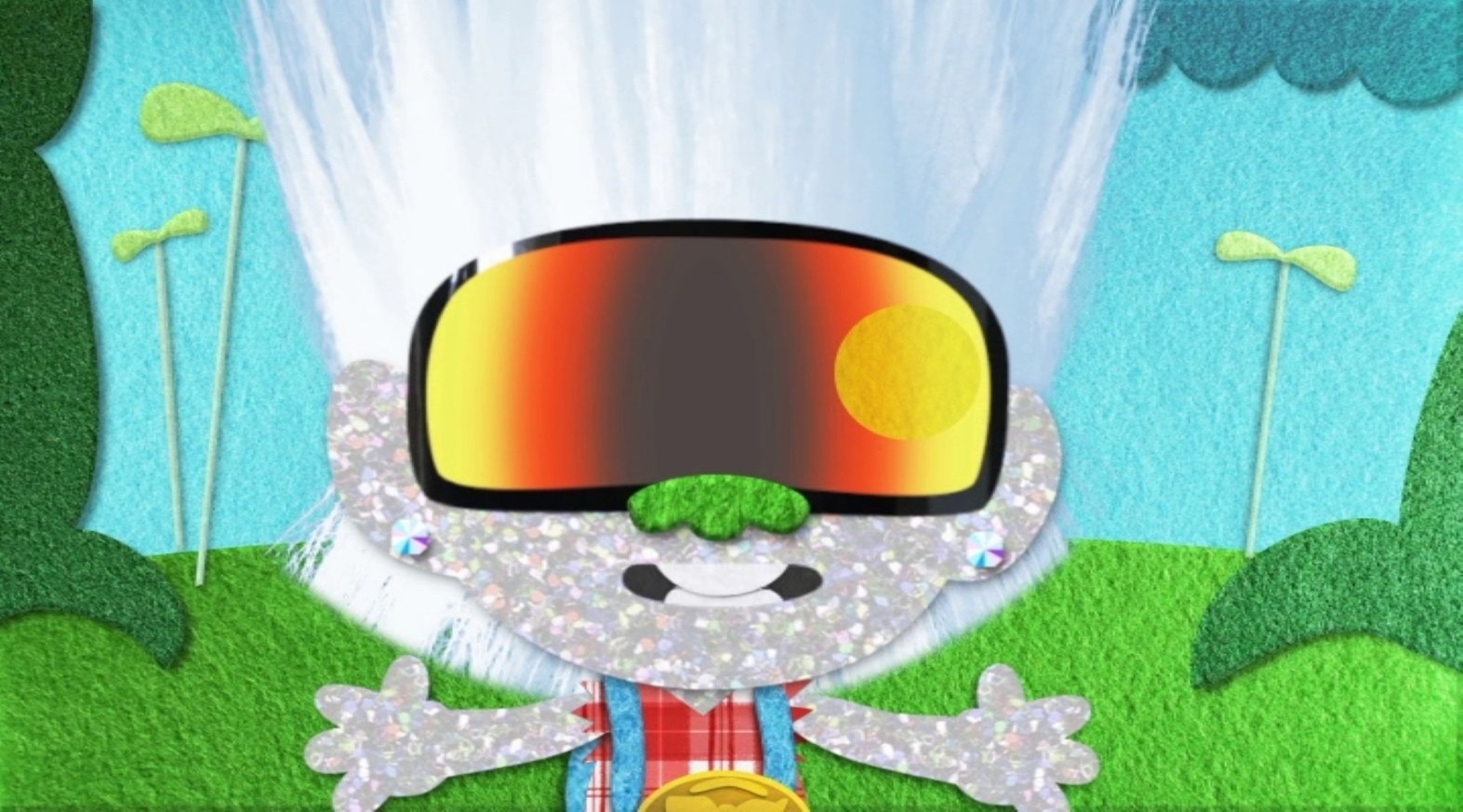
‘Tiny Diamond Goes Back to School’ is a bonus cartoon to the ‘Trolls World Tour‘ DVD. It revolves around Tiny Diamond, who was born to Guy Diamond in the feature film.
Voiced by Kenan Thompson, Tiny Diamond is indeed a tiny hip-hop troll with a deep mature voice. Now, Tiny Diamond already was pretty annoying in the feature film, and he is, too, in this short. In this short he thinks he needs a new stunning outfit to impress his friends at school, but he learns that they like hem for what he is, not what he wears.
One can see the morale of this short from miles away, and the cartoon isn’t very funny either, but I must say it is well-timed and rendered in a pleasant cut-out animation style, that is refreshing in the modern 3D computer animation world. Nonetheless, the short is as Superfluous as its forgettable.
Watch ‘Tiny Diamond Goes Back to School’ yourself and tell me what you think:
‘Tiny Diamond Goes Back to School’ is available on the Blu-Ray or DVD of ‘Trolls World Tour’
Director: Rémi Chayé
Release date: June 28, 2020
Rating: ★★★★★
Review:
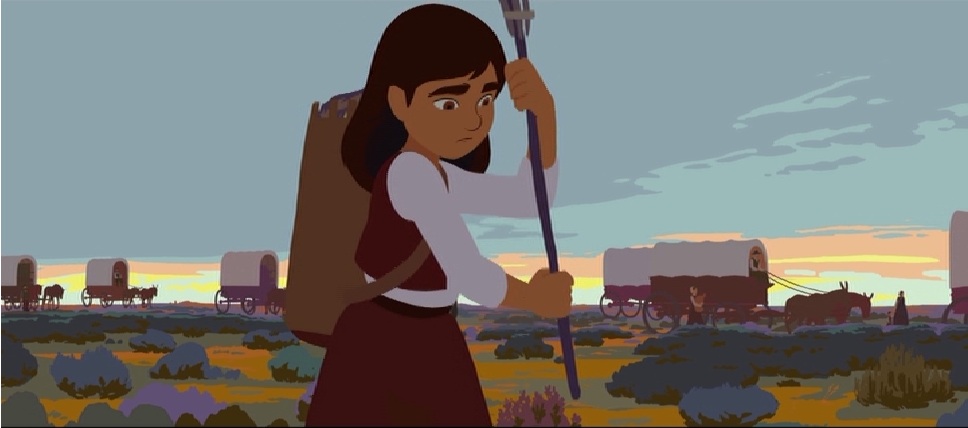
In 2015 Rémi Chayé surprised the animation world with his strong feature film ‘Tout en haut du monde’ (Long Way North), but his second feature, ‘Calamity, une enfance de Martha Jane Cannary’ arguably is even better.
Like the previous film ‘Calamity’ excels in an absolutely gorgeous digital background art, showing the prairies and mountains of the West in a plethora of colors, making each frame a delight to watch. But of course, this isn’t enough to sustain a feature film, and I am glad I can say that the story is also very good.
Like ‘Tout en haut du monde’ ‘Calamity’ stars a strong young female protagonist, and even more than in the previous film, ‘Calamity’ deals with the oppressive gender roles women were forced into, even if it didn’t suit their characters, ambitions and talents, at all. The film, of course, is based on real life enfant terrible Calamity Jane (1852-1903), but only vaguely so, and the film is called ‘A childhood’ and not ‘THE Childhood’, because the events depicted are mostly fictional and do not correspond to what we know about the historical Martha Jane Can(n)ary.
Nevertheless, with this film Chayé succeeds in making a subtle yet strong feminist statement. In fact, ‘Calamity’ is one of two strong European animation films from 2020 showing the historical plight of women, and how a masculine society kept them down for ages, for ‘Wolfwalkers’ by Cartoon Saloon tackles the same issues.
In the film we follow young Martha Jane (ca. 12-14 years old, I guess) accompanying her father and her two younger siblings on a caravan to Oregon. Her rather clumsy father is quite an outcast in the caravan, and Martha Jane is frequently mocked by Ethan, the son of the caravan’s leader, Mr. Abraham. When Martha Jane’s father breaks his ribs and must lay down in the wagon, and when goods get stolen from the caravan there’s an opportunity for Martha to break out of her role as an obedient girl, which she does with gusto, defying all counterforces she meets.
During the film Martha Jane poses as a boy called Marcus for a long time, and the only implausibility is when she gets chained to a real boy called Jonas. How she manages to maintain her disguise during these days baffles me. Otherwise, this is a strong coming of age film, which shows that women can be the equals of men, if they’re only allowed to.
Apart from gorgeous background art, the film includes appealing character designs, an effective, often surprisingly Japanese-like animation style and appropriate music. The result is one of the best feature films of 2020, on the same level as the more famous ‘Soul’ and ‘Wolfwalkers’.
Watch the trailer for ‘Calamity, a Childhood of Martha Jane Cannary’ yourself and tell me what you think:
‘Calamity, une enfance de Martha Jane Cannary (Calamity, a Childhood of Martha Jane Cannary)’ is available on Blu-Ray and DVD
Director: unknown
Airing date: May 27, 2020
Stars: Bugs Bunny, Elmer Fudd
Rating: ★★
Review:
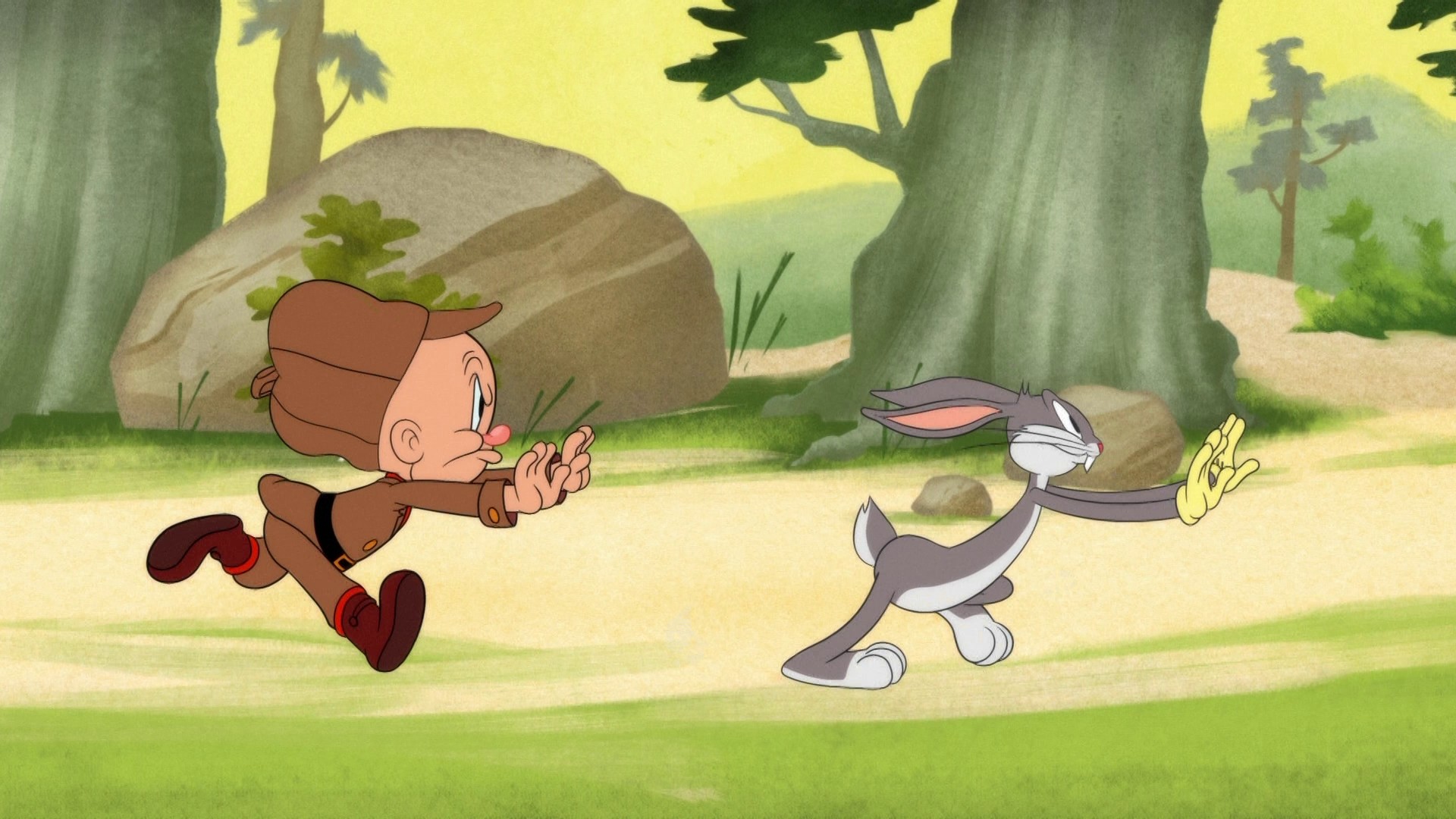
This a series of seven short filler gags that bridged two cartoons within an episode in the original ‘Looney Tunes Cartoons’ television series. All start with Elmer Fudd in his hunter costume chasing Bugs Bunny through the woods.
All the gags in this compilation feature holes: in the first Elmer Fudd uses a plunger to get Bugs Bunny out, in the second he loses his pants, in the third, he uses a carrot and a fishing rod, in the fourth there are more than one holes, in the fifth there’s short falling gag, in the sixth Elmer Fudd becomes small after emerging from one of the holes, and the seventh is a wack-the-rabbit gag.
If anything, these short gags show the original chase concept of the very first Bugs Bunny cartoon, ‘A Wild Hare‘ from 1941, can still be very much alive today, even if they’re not that funny when watched in sequence.
‘Hole Gags: Plunger, Fishing Pole, Bees, Mini Elmer’ is available on the Blu-Ray-set ‘Bugs Bunny 80th Anniversary Collection’
Director: Kenny Pittenger
Airing date: May 27, 2020
Stars: Bugs Bunny, Elmer Fudd
Rating: ★★★
Review:

‘Hare Restoration’ is the first part of the tenth episode of the Looney Tunes Cartoons television series of 2020-2024.
In this short Bugs Bunny wakes up in what turns out to be Elmer Fudd’s rabbit stew. He tricks himself out of the predicament by helping Elmer get more hair before Elmer’s date comes to dinner. This cartoon contains some particularly Ren & Stimpy like expressions on Elmer Fudd’s face.
Watch part 1 of ‘Hare Restoration’ yourself and tell me what you think:
‘Hare Restoration’ is available on the Blu-Ray-set ‘Bugs Bunny 80th Anniversary Collection’
Director: David Gemmill
Airing date: May 27, 2020
Stars: Bugs Bunny, Elmer Fudd
Rating: ★★★
Review:
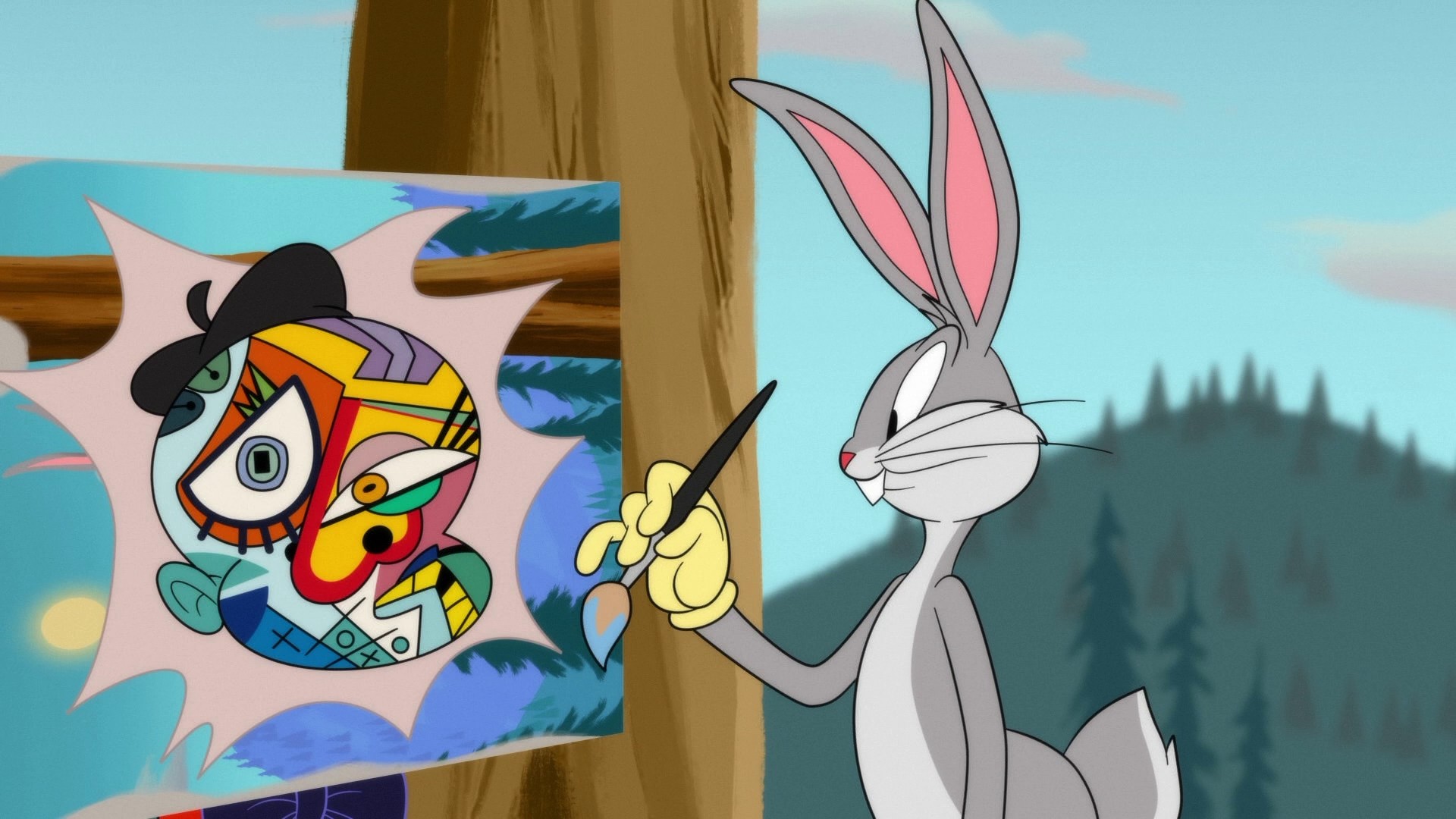
In this short Elmer Fudd wants to paint a picture in the woods, but when he blocks Bugs Bunny’s sunlight by sitting on the hare’s entrance, a classic chase cartoon start.
This cartoons contains both a classic death scene and a falling scene, harking all the way back to Bugs Bunny’s very first shorts (‘A Wild Hare‘ from 1940 and ‘The Heckling Hare‘ from 1941). But the best part is an original gag in which Bugs Bunny paints Elmer Fudd’s face with several pieces of art.
Watch the opening of ‘Vincent van Fudd’ yourself and tell me what you think:
‘Vincent van Fudd’ is available on the Blu-Ray-set ‘Bugs Bunny 80th Anniversary Collection’
Director: Kenny Pittenger
Airing date: May 27, 2020
Stars: Bugs Bunny, Elmer Fudd
Rating: ★★
Review:
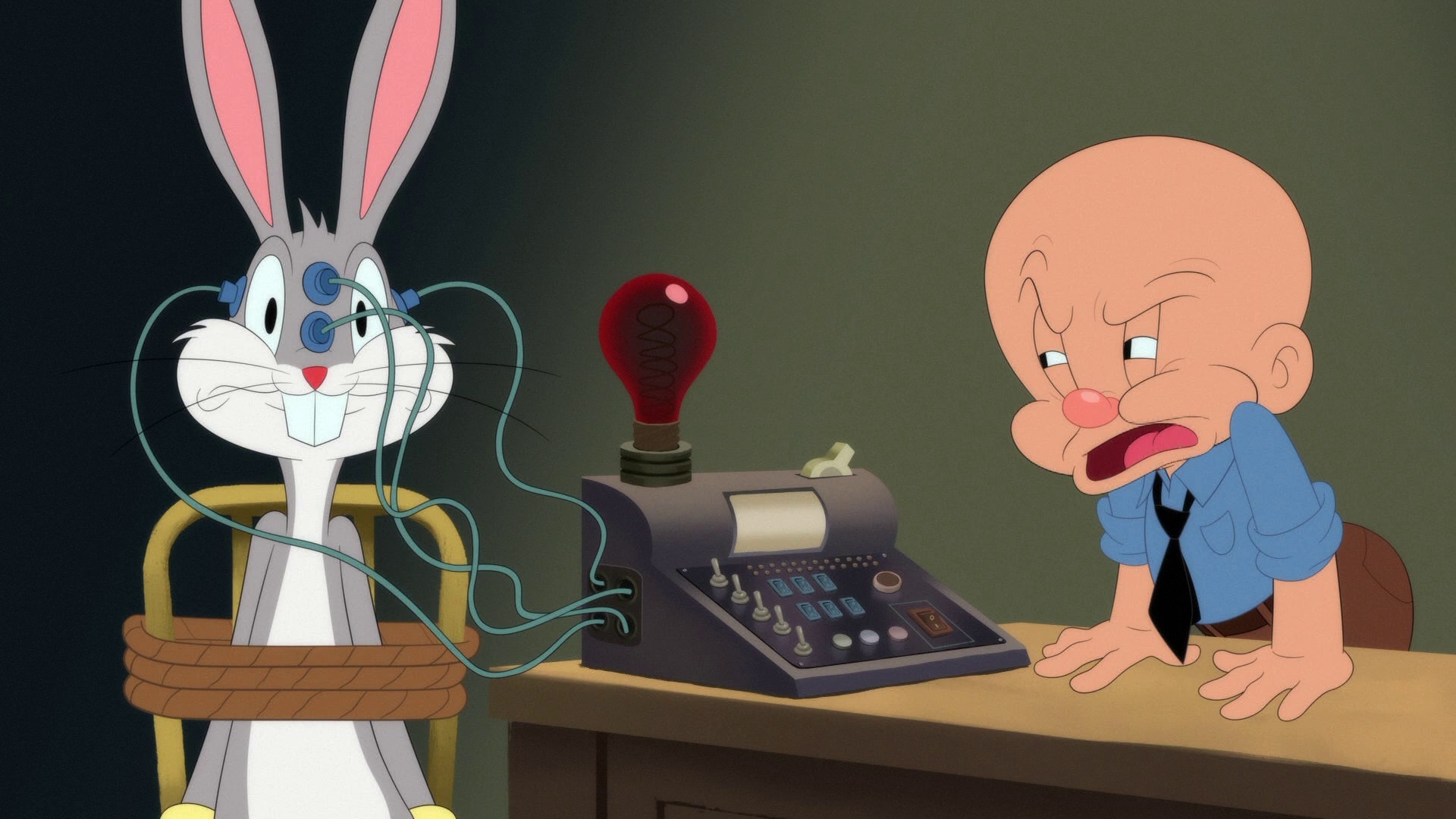
‘Grilled Rabbit’ is the first cartoon of the eight episode of the ‘Looney Tunes Cartoons’ series of 2020-2024. It’s a one scene short which immediately starts with Elmer Fudd interrogating Bugs for carrot theft.
This is one of the weaker cartoons of the first series, although Bugs Bunny playing good cop, bad cop on Elmer is a nice gag.
Watch part 1 of ‘Grilled Rabbit’ yourself and tell me what you think:
‘Grilled Rabbit’ is available on the Blu-Ray-set ‘Bugs Bunny 80th Anniversary Collection’
Director: unknown
Airing date: May 27, 2020
Stars: Bugs Bunny, Yosemite Sam
Rating: ★★★
Review:
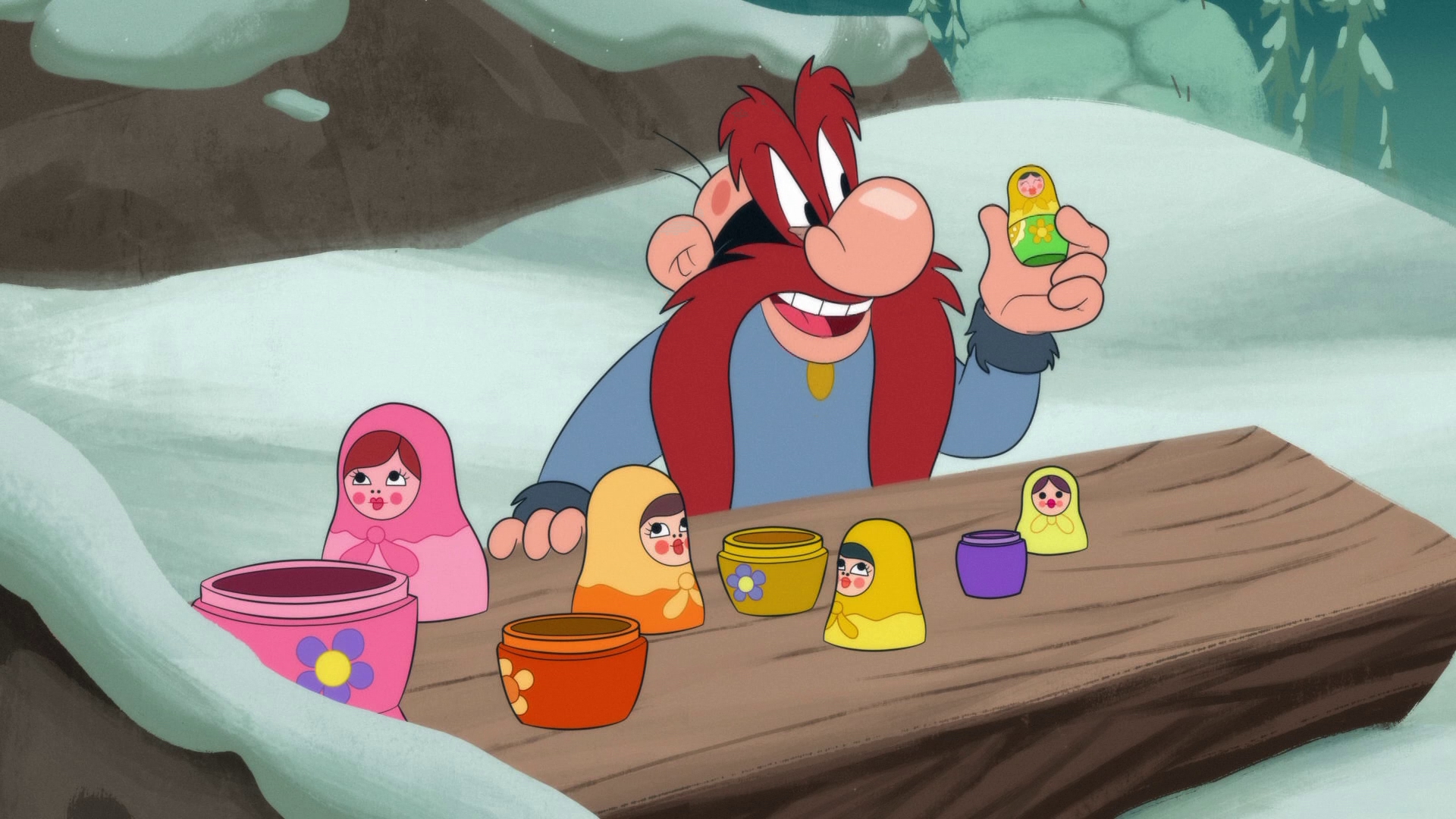
In the original Bugs Bunny cartoons Yosemite Sam could be found everywhere around the world and in history, and the Looney Tunes Cartoons series from 2020-2024 continue that tradition. Thus, we find Yosemite Sam in Siberia as ‘Siberian Sam’.
In the opening scene he tells the audience the importance of a fur hat in the Siberian cold, only to get his one stolen by a bird of prey within seconds. In his search for a new hat, his eye naturally falls on Bugs Bunny. The chase cartoon that follows also features a Siberian Tiger and, unfortunately, too much dialogue. In the best gag Bugs Bunny makes Sam believe he is going to watch some Russian ballet.
Watch ‘Siberian Sam’ yourself and tell me what you think:
‘Siberian Sam’ is available on the Blu-Ray-set ‘Bugs Bunny 80th Anniversary Collection’
Directors: David Gemmill & Michael Ruocco
Airing date: May 27, 2020
Stars: Bugs Bunny, Beaky Buzzard
Rating: ★★★
Review:
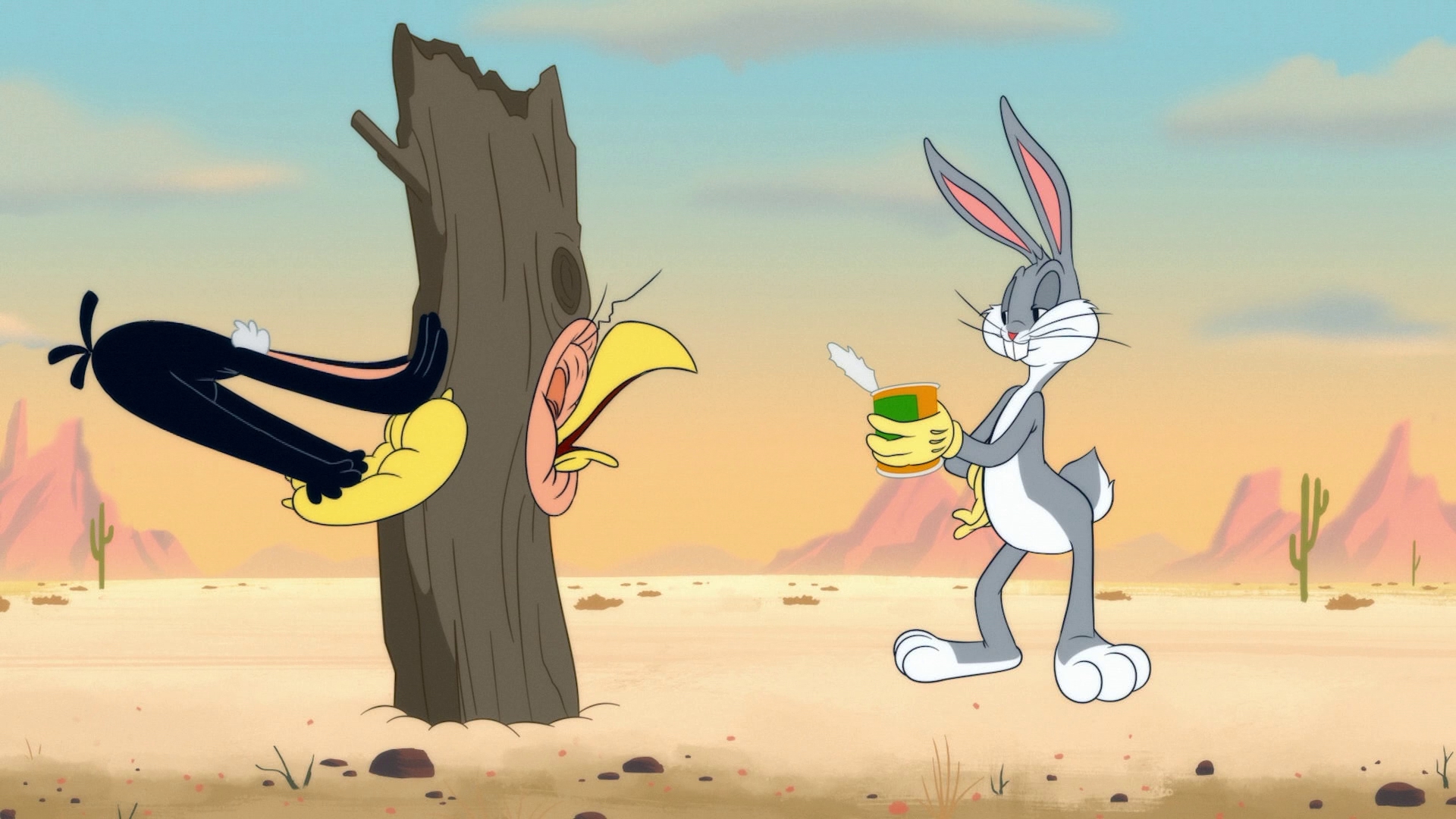
‘Buzzard School’ sees the return of Beaky Buzzard and his mother from ‘Bugs Bunny Gets the Boid’ (1942).
As in the original short, Beaky’s mother sends her son away to catch a rabbit for dinner, and Bugs “helps” the dumb bird by teaching him how to catch rabbits. Highlight of this short may be scene in which Beaky fights himself.
The design and animation of Beaky Buzzard are practically indistinguishable from the original ones in Clampett’s 1940s cartoons, making ‘Buzzard School’ an excellent example of the nostalgic homage quality of this 2020-2024 television series.
‘Buzzard School’ is available on the Blu-Ray-set ‘Bugs Bunny 80th Anniversary Collection’
Director: Ryan Kramer
Airing date: May 27, 2020
Stars: Bugs Bunny, Yosemite Sam
Rating: ★★½
Review:
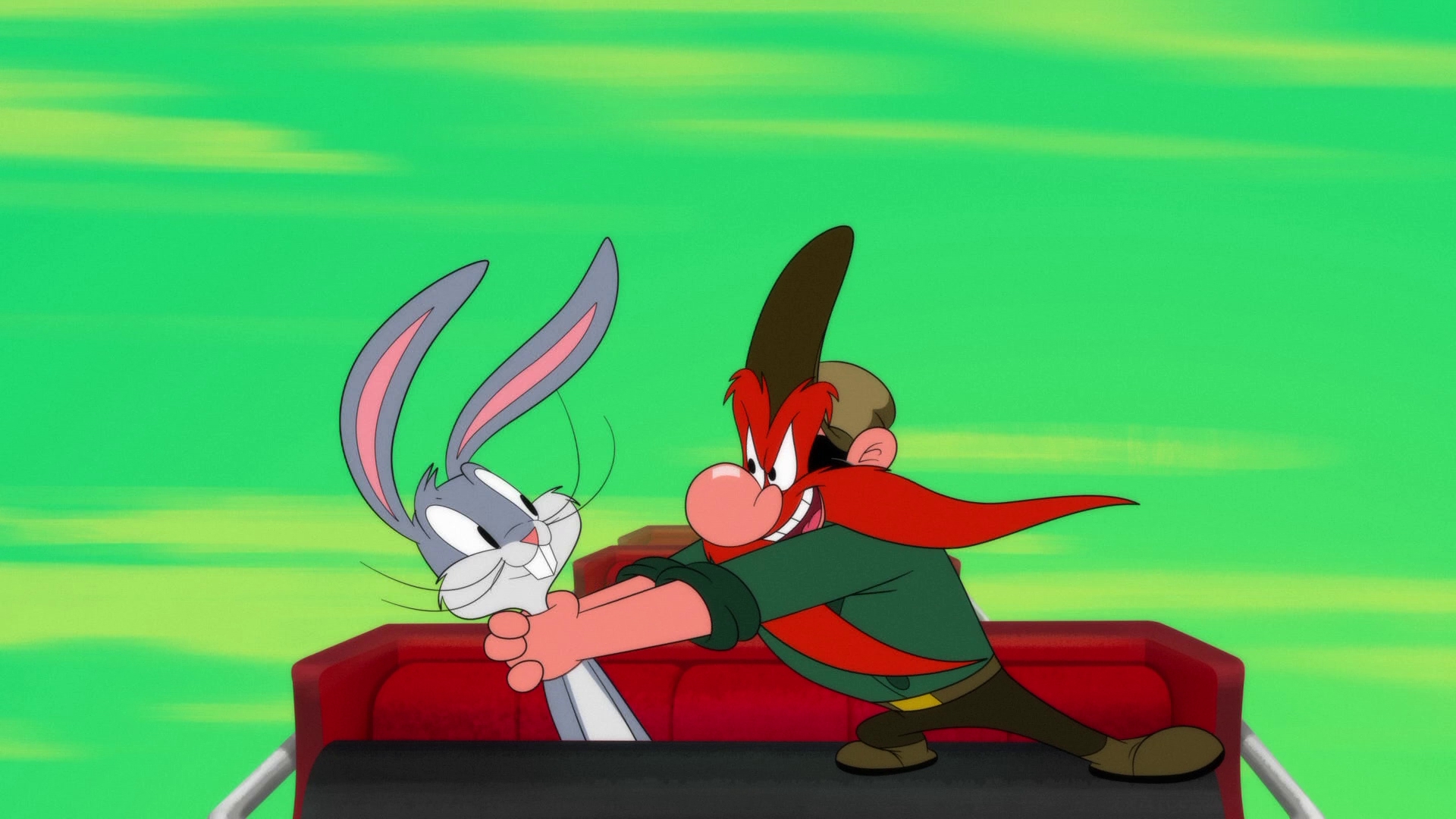
‘Pest Coaster’ is the first cartoon of the fifth episode of the new Looney Tunes Cartoons series from 2020-2024. This episode starts with Bugs Bunny classically travelling underground, now ending up at an amusement park. In this park he wants to ride the rollercoaster called ‘The Murderizer’. Unfortunately, this ride is operated by Yosemite Sam, who has made a lot of rules, one of which is ‘no rabbits allowed’.
What follows is a string of gags in which Bugs Bunny does ride the rollercoaster and Yosemite Sam tries to prevent that. At one point Bugs dresses up like a Veronica Lake-like woman, emphasizing the nostalgia modus of the series. More interesting than the antics is the rather Joan Miró-like background art.
‘Pest Coaster’ is available on the Blu-Ray-set ‘Bugs Bunny 80th Anniversary Collection’
Director: Ryan Kramer
Airing date: May 27, 2020
Stars: Bugs Bunny, Elmer Fudd
Rating: ★★★
Review:

‘Pool Bunny’ starts with Bugs crossing a scorching hot desert. The chase cartoon starts when the hare enters Elmer Fudd’s swimming pool, but Elmer kicks him out, prompting Bugs Bunny to say: “of course you realize this means… You know what”.
This short is both a nice new take on classic tropes as a homage to the old cartoons. Bugs Bunny is particularly cruel in this cartoon and his revenge on Elmer is sweet, and even includes a classic death scene.
Watch ‘Pool Bunny’ yourself and tell me what you think:
‘Pool Bunny’ is available on the Blu-Ray-set ‘Bugs Bunny 80th Anniversary Collection’
Director: Unknown
Airing date: May 27, 2020
Stars: Bugs Bunny, Gossamer
Rating: ★★½
Review:
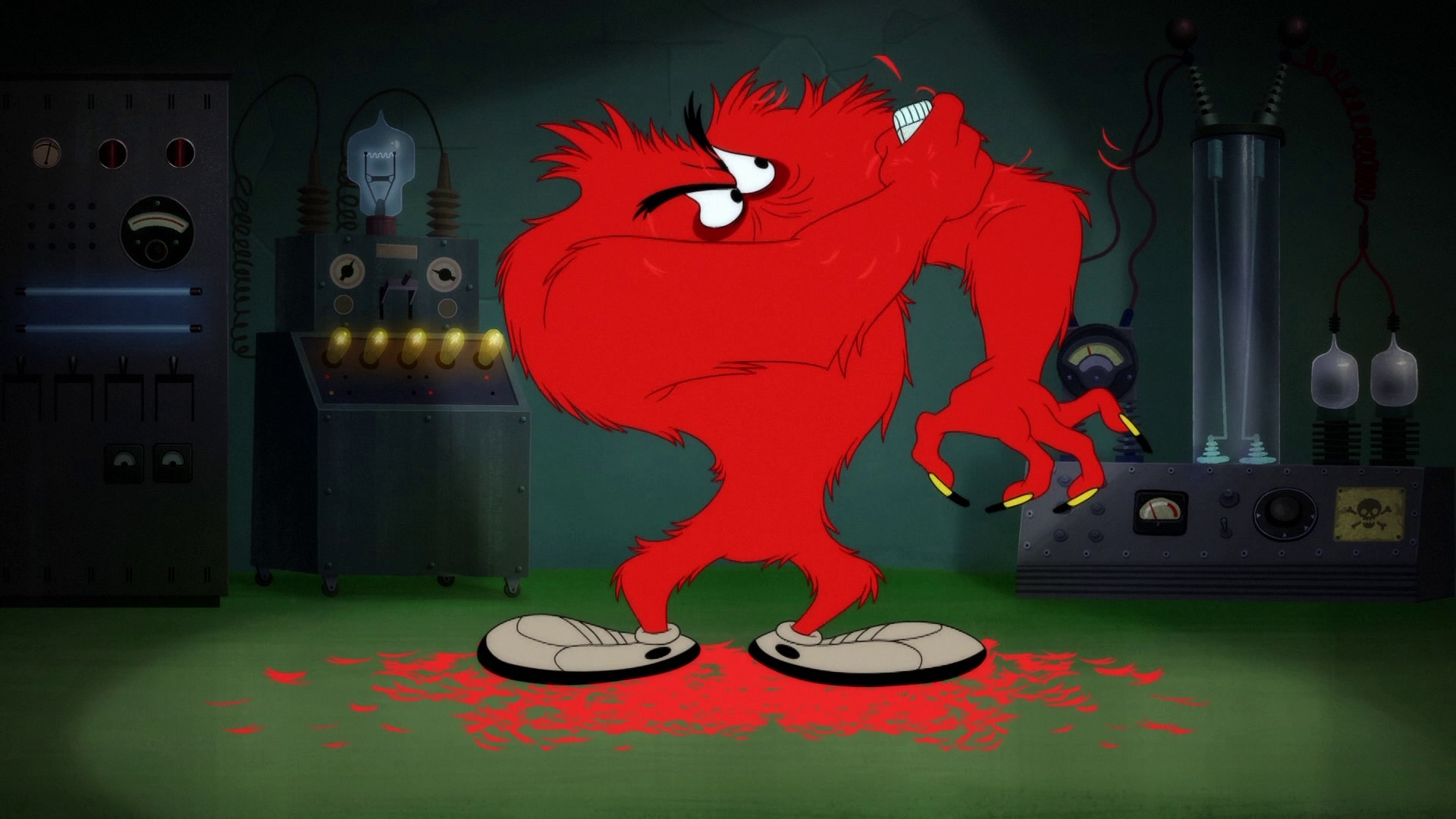
‘Big League Beast’ is the first cartoon of the second episode of ‘Looney Tunes Cartoons’ and in this short Bugs Bunny is reunited with the evil scientist and red monster with sneakers from ‘ Water, Water Every Hare‘ (1952).
This red monster was christened ‘Gossamer’ by Chuck Jones in 1980, and Bugs Bunny addresses the hairy fellow by this name. Unfortunately, the plot is rather weak (Bugs Bunny wants to see the big (baseball) game on the scientist’s television) and the gags are more of a homage to Jones’s classic shorts than adding anything new.
Watch the opening of ‘Big League Beast’ yourself and tell me what you think:
‘Big League Beast’ is available on the Blu-Ray-set ‘Bugs Bunny 80th Anniversary Collection’
Director: David Gemmill
Airing date: May 27, 2020
Stars: Bugs Bunny, Yosemite Sam
Rating: ★★★½
Review:

‘Looney Tunes Cartoons’ was a television series that ran from 2020 to 2024 and which was a surprising revival of the classic Warner Bros. Cartoons of the 1940s and 1950s, featuring the same stars and the same frantic classic animation of the originals, but with slightly more modern designs and animation influences from the Renaissance period, most obviously from ‘Ren and Stimpy’.
The third disc of the ‘Bugs Bunny 80th Anniversary Edition’ Blu-Ray set contains nine Bugs Bunny shorts from the first season of this series and these show the high quality of this revival series. At their worst the cartoons are mere homages, but at their best they reshuffle the classic characters into new situations with new gags.
‘Harm Wrestling’, for example, the third cartoon from the very first episode, takes Yosemite Sam back to his Western roots, where he claims to be the arm wrestling champion of ‘Tough City’. Then, of course, Bugs Bunny comes along. This short reuses some classic gags from the 1940s, but add new ones and some particularly Ren & Stimpy-like takes on Yosemite Sam. Bugs Bunny, meanwhile, looks most like his 1940s self, harking mostly back to the Robert McKimson design for the Bob Clampett unit.
Watch ‘Harm Wrestling’ yourself and tell me what you think:
‘Harm Wrestling’ is available on the Blu-Ray-set ‘Bugs Bunny 80th Anniversary Collection’
Director: Walt Dohm
Release date: April 10, 2020
Rating: ★★
Review:
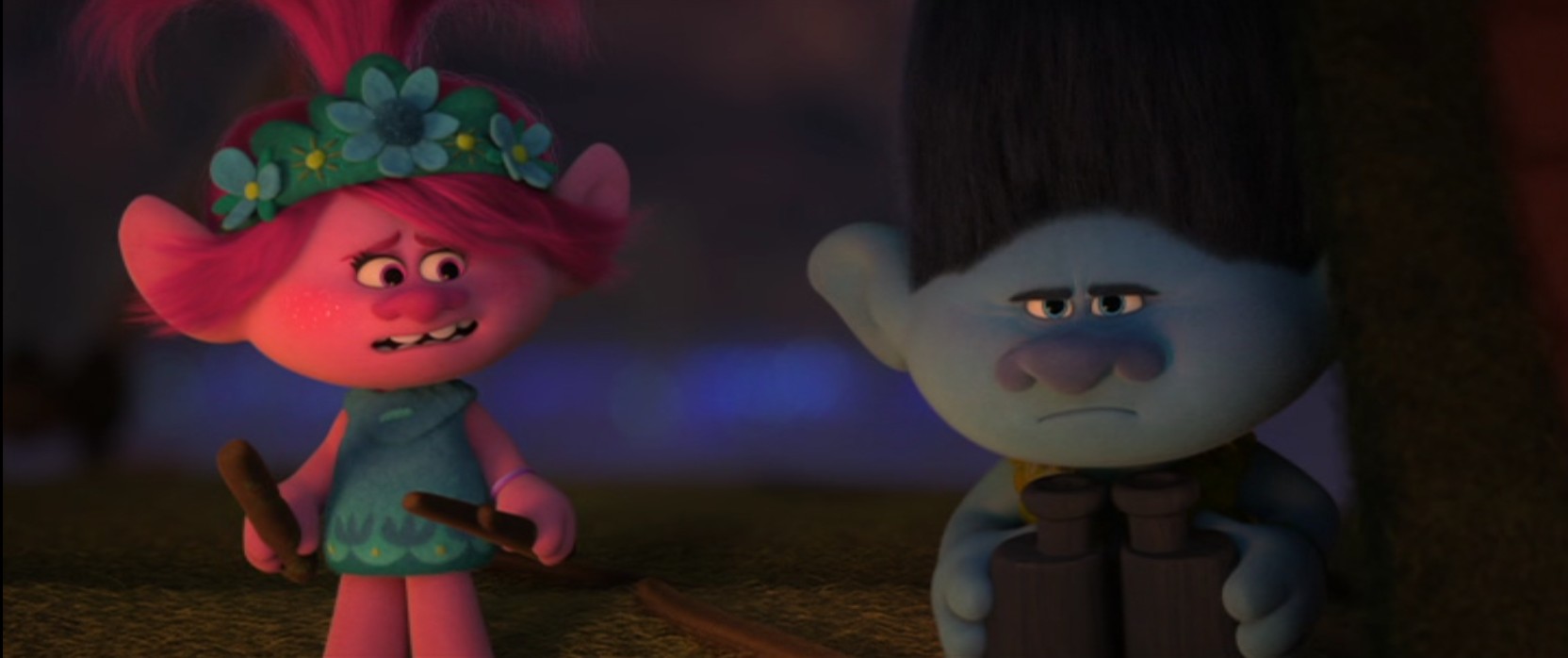
Dreamworks’ 2016 Film ‘Trolls’ was a bit of a surprise, given the fact that it was based on a pretty ugly Danish toy line from the 1950s. Despite its lackluster origins, the film was an unforeseen outburst of color, textures and music, even spawning a major hit (‘Can’t Stop the Feeling!’) for Justin Timberlake, who voiced Branch, one of the main characters.
‘Trolls’ nevertheless was nothing remarkable storywise, but compared to its successor, ‘Trolls World Tour’ still by far the more interesting movie. ‘Trolls World Tour’ is even more colorful and more tactile than its predecessor, but its plot is disappointingly lazy, conventional, and frustratingly inconsistent (more of which, later).
There are even two obligate breakup scenes, neither of which makes sense, and the film’s obvious morale is even explained to us by Poppy at the very end. What do they think at Dreamworks? That their public consists of complete morons? Even a six-year-old could have distilled the message from the story. There’s a pinky promise, which is introduced with much bravado, but which remains inconsequential, after all. At one point Branch convinces the villains to side with him, but we don’t even see how he manages to do that.
These are just a few examples of an annoying lack of storytelling skills demonstrated in the movie.
In fact, problems already start with the film’s premise: ‘Trolls World Tour’ throws the world building of the original movie completely overboard to install a new one, in which there are five more troll kingdoms, all based on a major music genre. Given the wide range of music that exists in the world, the idea of a mere six kingdoms is absurd to begin with, but soon becomes apparent that this world building is not only incomplete, it’s highly inconsistent.
Of all genres imaginable, especially jazz is painfully lacking, only represented by one character exemplifying ‘smooth jazz’, while all world genres are diminished to three sets of isolated characters, representing K-pop, reggaeton, and… yodeling. Now, as a Dutchman, I was pleasantly surprised that the yodeling featured came from the hard rocking seventies hit ‘Hocus Pocus’ by Dutch group Focus, but otherwise, frankly, it makes no sense. Why do these characters lack a kingdom of their own? Why did they become bounty hunters (for that’s what they are)? What of all other genres imaginable? Where are those trolls?
The major genres in the other kingdoms hardly fare better than jazz however: classical music is represented by 18th- 19th century orchestral music only, funk and hiphop are merged as if it were one genre, and the dance depicted is of the poppiest sort imaginable. Rock, meanwhile, looks mostly like an evil metal kingdom, led by a punky princess, whose story ark (she has no real friends) is both forced and neglected. I liked country land, led by a Kelly Clarkson voiced character, most, especially because the textile background art was most apparent in this world.
For this background art is the real star of the movie: all troll landscapes are made of textiles, even the water at the edge of a pond has a frayed edge. While yawning at all the obligate antics of the characters, these background images kept me smiling and in admiration throughout the picture.
But of course, background art cannot save a film with such a weak story as ‘Trolls World Tour’ has, and the end result simply is subpar. It’s a shame, for obviously, a lot of talent has been wasted on this picture, not least the great music stars like Anderson .Paak, George Clinton, Mary J. Blige, and Ozzy Osbourne who have lent their voice to this lackluster product. And let’s not forget the animation talent. For example, when Poppy realizes she might not have been a good queen after all, this is a piece of excellent character animation, but we don’t care, nonetheless, because the emotion is forced into the plot, and has no logical place in the narrative. ‘Trolls World Tour’ is full of such moments and can best be quickly forgotten.
Watch the trailer for ‘Trolls World Tour’ yourself and tell me what you think:
‘Trolls World Tour’ is available on Blu-Ray and DVD
Director: Dan Scanlon
Release date: February 21, 2020
Rating: ★★★
Review:

‘Onward’, Pixar’s 22nd feature film, was the first of a series of four originals after a decade of sequels (the 2010s saw seven sequels compared to a mere four originals), making the 2020s a more interesting decade than the 2010s were. Unfortunately, Pixar’s return to original stories didn’t necessarily mean their films got better. ‘Onward’, at least, is not a bad film, but it never becomes great, either. The movie just lingers in mediocrity, relying too heavily on tried formulas and cliches.
‘Onward’ takes place in a fantasy world populated by elves, unicorns, centaurs, fauns, manticores and so on. But like the human-less worlds of ‘Monsters Inc.’, ‘Cars’ or to a lesser extent the later ‘Elemental’ the makers haven’t made any effort to make this world a really original one, turning it into just another lazy version of suburbia America. The whole idea of ‘Onward’ is that it used to be a magical place, until technology took over, making this world as bland and devoid of magic as ours.
In this world we follow teenager elf Ian, who’s designed as your average clumsy insecure teenager, a sort of Linguini from ‘Ratatouille’ (2007), but blue and with pointed ears. Ian also is one of those protagonists that all too often recur in animation films: one that has lost a parent (see also e.g. ‘Kung Fu Panda’ (2008), ‘The Good Dinosaur‘ (2015) and ‘Abominable’ from 2019). On his birthday Ian makes some resolutions to become a better person, but they are all thwarted, until his mother gives him and his quirky elder brother Barley a gift from their deceased father…
What follows is a truly dangerous quest in which the two brothers must team up to restore their father for just one day. This they do accompanied by their dad’s two legs, for that’s all what Ian managed to retrieve from the spirit world in the first place. Barley’s extensive knowledge of magic, which he got from playing a role game “based on reality” is a great help during their quest. Unfortunately for Barley, despite all his knowledge of magic, he hasn’t got the magic skill, but Ian has.
With their quest the two brothers not only restore magic to their world, Ian also comes to realize that his older brother is not only an annoying looney to be ashamed of, but much more to him. And yet, a more interesting and more original yet sadly underdeveloped character than either two brothers, is Ian’s and Barley’s mother, who comes into action and who dares to take risks to save her boys.
The brothers’ magical quest stands in huge contrast with the mundane world they live in, and the studio never really manages to wed these two worlds. In the end, the whole concept of a fantasy world turned mundane remains a forced and unconvincing one, and that one gift from a random father could restore magic to the entire world is anything but believable, even within the fantasy context.
Moreover, as said, the film relies too much on tropes to tell its stories. The magic in ‘Onward’ feels like a direct copy from the Harry Potter’-films with its use of spells. There is the obligate breakup scene, one that is particularly painful, because by that time Ian should have known better. And then there’s a curse, which actually stands in the way of a plot that should concentrate on the relationship between the two brothers, which the film mostly does, but to which, to me at least, the whole magic idea seems superfluous and unnecessary.
Of course, the power of animation is that it can show impossible things like elves and manticores, but for once, I believe that the film would be more courageous if it would tell the story of two real brothers living in American suburbia, bonding together after the death of their father. For this is the essence of the film, meaning that the fantasy part, despite driving the plot, is mostly fluff. Despite the final resurrection of the father being a beautiful moment in the movie, the film just doesn’t manage to pluck one emotional string like ‘Monsters, Inc.’ (2001), ‘Wall-E’ (2008), ‘Up’ (2009) or ‘Coco’ could. Pixar certainly could do better, something they would luckily prove with their next feature, ‘Soul‘.
Watch the trailer for ‘Onward’ yourself and tell me what you think:
‘Onward’ is available on Blu-Ray and DVD
Director: Ilze Burkovska Jacobsen
Release Date: June 15, 2020
Rating: ★★★½
Review:
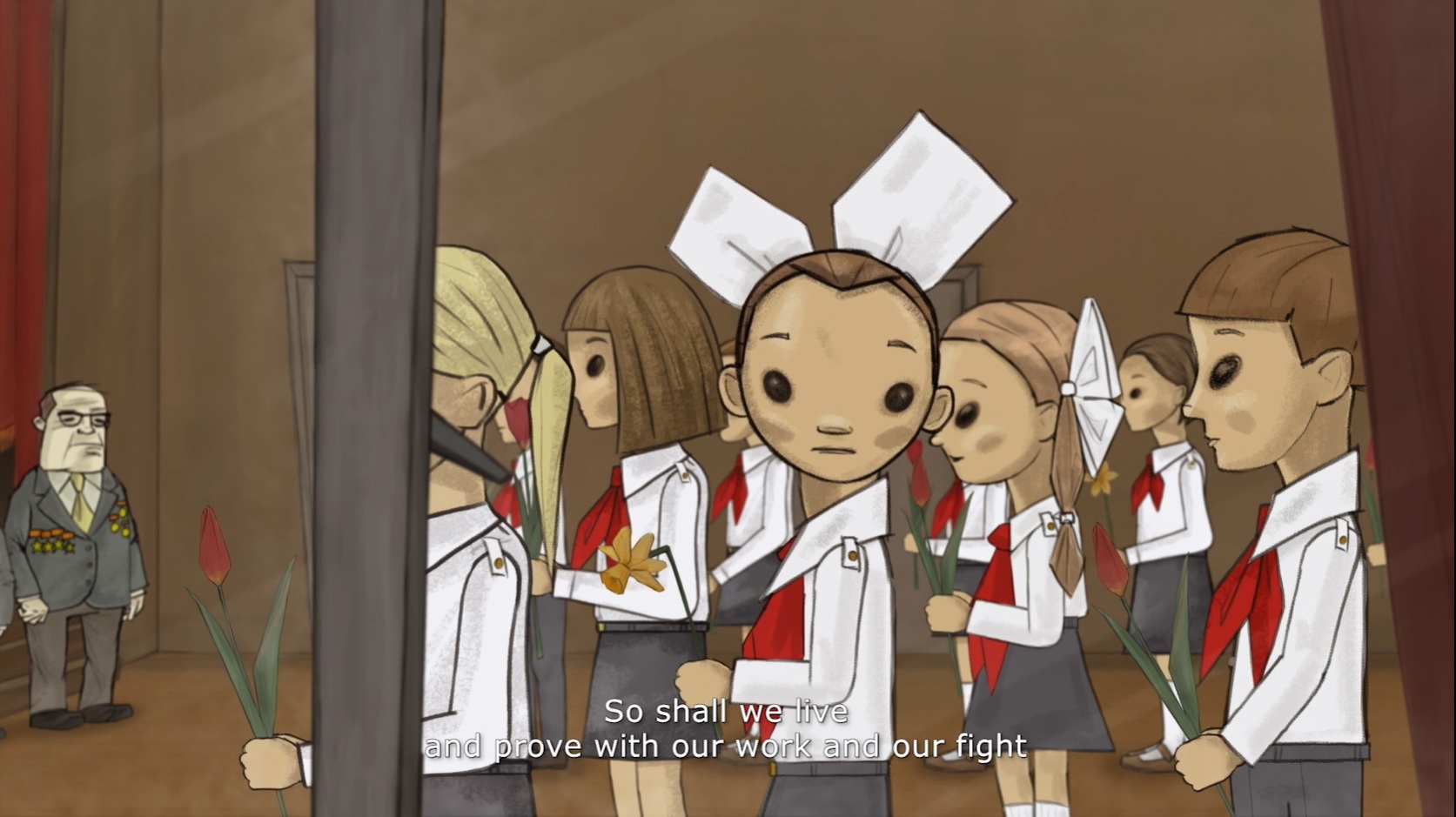
The Dutch online Kaboom Animation Festival was not only about shorts, it also presented thirteen feature films, of which I have seen five, the first being ‘My Favorite War’.
‘My Favorite War’ is an animated documentary and autobiography. In this feature film director Ilze Burkovska Jacobsen tells about her youth in Latvia when it was still part of the Soviet Union, “the self-proclaimed happiest country in the world” as she tells us at the beginning of the film. We follow little girl Ilze from 1974 until the singing revolution of the late 1980s, which resulted in Latvia’s independence of the Soviet Union in 1991.
Burkovska Jacobsen brings daily life in the communist, totalitarian regime back to life, which not only does look hopelessly old-fashioned when compared to contemporary Western Europe, but which also is strikingly preoccupied, even obsessed with its heroic past. Practically everything in Ilze’s life revolves somehow in defending the great Soviet Union against fascism, like the Soviets had successfully done during World War II (the favorite war of the title). In fact, much of Ilze’s life is devoted to a bleak and pointless preparation for a war that never comes.
Ilze lives near a site in which Nazi Germany managed to keep an isolated fastness until the general capitulation, called the Courland pocket, which Burkovska Jacobsen calls the Courland Cauldron, and near a Soviet army training site, and both localities make a marked impression on her daily education and social life. As if the Soviet Union wanted to make their inhabitants relive World War II constantly and persistently. Likewise, Burkovska Jacobsen’s tale often shifts back to the 1940s to tell what happened in the Courland pocket.
Even more tension comes from the contrast between Ilze’s father, a member of the communist party, and her grandfather, a so-called enemy of the state and a Siberia camp survivor. For example, to protect her grandfather and her mother, Ilze strives to become the best member of the communist party…
‘My Favorite War’ is a very sympathetic and welcome film, and tells very well how it is to live under an oppressive regime. Tales like this cannot be told enough, for they show us the values of freedom and democracy. But this does not mean that ‘My Favorite War’ is without its flaws: the film makes interesting use of collage techniques, but the designs are a little inconsistent, and could have done with bolder artistic choices. Worse, the cut-out animation is rather stiff, and at times downright amateurish, hampering the story. The dialogue, too, is dreadfully stiff, and too often fails to come to life, at all. Thus the characters on the screen remain wooden puppets, missing an opportunity to penetrate one’s heart. The best animation is when Ilze kicks the bucket of garbage she has to take outside. This is a rare moment of effective little realism in a tale of otherwise rather grand gestures.
In fact, the symbolic parts are the best. Especially entertaining is the sequence in which Ilze visualizes why her town is deprived from butter, supposedly because it’s saved for the Great War to come. And the film’s most harrowing tale, that of Ilze’s friend Ilga, is in fact told in live action, by the present Ilga herself. In the end one cannot escape the feeling that Burkovska Jacobsen has been relatively lucky to have lived in the twilight days of the Soviet Union, and to have experienced the thaw of Perestroika and the freedom following the singing revolution. But it comes to no surprise that the film ends as a pamphlet against all oppressors, for Burkovska Jacobsen knows well enough what she’s talking about.
Watch the trailer of ‘My Favorite War’ and tell me what you think:
‘My Favorite War’ is not yet released on home media
The Dutch Kaboom animation festival is over, but I’ll round up my reviews of the shorts in competition, ending with number six, which turned out to be the most satisfying of the seven programs on independent shorts.

Lèvres bleues (Blue Lips)
Philippe Hamelin
Canada, 2020
★★
A certain Steve tells about one night with his boyfriend. His tale is accompanied by dreamy computer generated images, showing parts of Steve and his boyfriend, interlaced with images of a canary and of Steve’s motor bike. Many of the images are shown in slow motion, and as there’s hardly any action, they are close to film stills. Steve’s tale is a sweet one, but the animated illustrations are rather boring and lifeless, and one gets distracted by images of Steve’s extraordinarily hairy body.

Praćka (Washing Machine)
Alexandra Májová
Czech Republic, 2020
★★★★★
‘Washing Machine’ is a fun little short about a man’s unconventional relationship to his washing machine. Májová uses the simplest designs and shapes on monochrome backgrounds to a great effect. Her animation and timing are spot on and even manage to turn a washing machine into an erotic element.

Jestem tutaj (I’m Here)
Julia Orlik
Poland, 2019
★★★★★ ♕
In ‘I’m Here’ we watch the last days of a dying elderly woman. Orlik explores stop-motion, using puppets of the upmost realism, not seen since the work of Suzie Templeton (e.g. ‘Dog’ of 2001). The dying woman is completely convincing and one of the most real personas I’ve seen in any stop-motion film. The story is told in many very short scenes, all taken from a single point of view, always focusing on the wrinkled lady, who isn’t able to either speak or move anymore. To watch her mostly silent distress is painful enough, but often more drama takes place in the background, as her father and daughter struggle to take care of the terminal patient.
Of the 55 shorts in competition ‘I’m Here’ was the only one that really moved me. When the title words were spoken I burst out in tears. Thus the more surprising that this film about dying was made by a student still in art school. ‘I’m Here’ won the Kaboom student award, and I say it is well deserved, because I’d crown this film the most impressive of the complete festival.

Black Snot & Golden Squares
Irina Rubina
Germany, 2020
★★★
‘Black Snot & Golden Squares’ lasts only one minute and promises us that one day we can hug again. The message is packaged in enjoyable 2D computer animation of Bauhaus-like semi-abstract images of blues, grays, yellows and blacks.

The Great Malaise
Catherine Lepage
Canada, 2018
★★★★★
In ‘The Great Malaise’ we hear a woman describing herself as for a personal ad. Her descriptions are accompanied by illustrative animations in a variety of styles and techniques, one even more original than the other. But halfway the visual metaphors get extra meaning. ‘The Great Malaise’ is a very graphic and highly original film showing the dangers of perfectionism. The film is as authentic as it is funny, and must be counted among the best of the shorts in competition programs.

Average Happiness
Maja Gehrig
Switzerland, 2018
★★★★½
‘Average Happiness’ starts with a Powerpoint presentation on statistics. Soon the graphs start to lead their own life, and the screen gets filled with diagrams, pie charts, bar charts etc. to form some very complex imagery, resembling cities and forests. Gehrig even manages to make graphs sensual. The abstract but mesmerizing mayhem is greatly enhanced by the weird soundtrack by Joy Frempong, and excellent sound design by Peter Bräker. ‘Average Happiness’ won the audience award for best short in competition, no mere feat for an abstract film!

Ja i moja gruba dupa (My Fat Arse and I)
Yelyzaveta Pysmak
Poland, 2020
★★★★½
‘My Fat Arse and I’ is a surreal and rather weird short on dieting. The short starts with the female protagonist not being able to put on her pants. This triggers a heavy diet, but the woman still sees herself as fat. On a dreamy visit to the land of walking butts she manages to beat “the God of the skinny bitches”with help of her fat image in the mirror. Pysmak explores a very rough, sketchy underground style, a modest color palette of blacks on yellow and green, and a rather rudimentary animation style. Pysmak is by no means a great animator, but her images are original and inventive, and her film, which also makes a nod to computer games, is a great joy to watch.

11:11
Alexander Dupuis
United States, 2020
★★★★
11:11 is a computer animated video clip full of ever changing, shiny and glowing abstract shapes, which form very apt images to the electronic R&B music by Raina and Jake Sokolov-Gonzalez.

My Exercise
Atsushi Wada
Japan, 2019
★★★½
‘My Exercise’ is a short comic film, lasting only two and a half minutes, in which a boy is doing exercises with help of his dog. Wada exploits his typical surreal style against a monochrome lemon background. The film is delightfully absurd, but even in these short and simple scenes Wada shows to be an excellent animator.

Hot Flash
Thea Hollatz
Canada, 2018
★★★★
This program of shorts features a lot of animation by female animators, and it’s clear that they can tackle subjects that will never be picked up by men. Thus, ‘Hot Flash’ covers a topic that I’ve never seen before in film, animated or otherwise: the menopause. In this comedy short Ace Naissmith, a weather presenter, experiences hot flashes, which hinder her greatly at her work. Not only is the subject matter highly original (which itself is weird as ca. half of humanity will experience this…), but Hollatz tells her tale very well, too. This means that men like me can relate to Ace’s plight, too. Hollatz exploits a very pleasing cartoon style, with an appealing color design. Her animation is top notch, too, and shows a great sense of comic timing.
Director: Guillaume Lorin
Release Date: 24 October 2020
Rating: ★★★★
Review:

I’m trying to cover as many films as possible from the Dutch Kaboom Animation Festival, which is completely online this year. It’s simply impossible to cover everything, as the festival shows more than 300 films, requiring several days of non-stop watching. One of the programs focuses on the French animation studio Folimage, which is known for its high quality animation films for children, like ‘Une vie de chat’ (A Cat in Paris, 2010) and ‘Phantom Boy‘ (2015). Part of this program is a new children’s film from 2020 called ‘Vanille’.
‘Vanille’ is a charming little children’s film, lasting half an hour, about Vanille, a little girl from Paris who’s sent off by her father on holiday to her aunt on the Caribbean island Guadeloupe, much against her will. Vanille has many difficulties adapting to the friendly but new environment, and she is pretty homesick. But then something magical happens, involving a so-called Soukounian, a magical creature from Creole folklore.
‘Vanille’ explores very charming human designs and sets. These are combined with live action background footage of the tropical island, and the drawings and real life pictures blend surprisingly well, despite the European cartoon style of the drawings. The story remains with Vanille and her emotions, but also shows some subtle human interaction in the background, lost on the little girl. ‘Vanille’ tells something about embracing one’s roots (a theme that revolves around Vanille’s hair), but above all it’s an exciting adventure for kids. The story of ‘Vanille’ may be a bit weird, the film is a delightful little piece for children and adults alike.
Watch a teaser for ‘Vanille’ and tell me what you think:
This will be my second-to-last review of the Shorts in Competition of the Dutch Kaboom Animation Festival, which is completely online this year, allowing you to watch the festival from your home, wherever you are. Please do so, for you can watch some very good animation films here, as well as, let’s face it, less compelling ones. Let’s find out how the fifth program fares!

Orgiastic Hyper-Plastic
Paul Bush
Denmark, UK, 2020
★★★★★
Paul Bush combines stop-motion and 2D computer animation techniques to produce a surprisingly colorful visual ballet out of ordinary plastic objects, like discarded bottles, and ditto bottle caps, lighters and combs. There’s no narration, but the images are no less than mesmerizing and accompanied by intriguing music and sounds by Andy Cowler. To me this is the most interesting film of the (Human) Nature program, and one of the best in the competition, overall. Highly recommended.

Polka-Dot Boy
Sarina Nihei
France, 2020
★★★½
‘Polka-Dot Boy’ is an intriguing traditionally animated film with hand-painted frames. The scenes are very surreal and hard to decipher, but apparently Polka-Dot Boy has some weird disease that causes polka-dots on his arms. Even worse, he gets some unwelcome attention from certain members of a religious cult. I can’t make head or tail of this film, which ends all too abruptly, but I cannot deny that Nihei’s tale is a captivating one.

Popcorn
Rafael Sommerhalder
Switzerland, 2020
★★★★
‘Popcorn’ is by far the shortest entry in the competition, lasting only 15 seconds. It doesn’t even appear to be animated. In these 15 seconds we watch a very original way of popping corn.

Candy Can
Anton Octavian
Romania, 2020
★★★
‘Candy Can’ follows a ca,. fourteen years old boy who seems to live in a slum near a garbage dump. He dreams of being a soccer player, and there’s a girl he’s clearly in love with, but otherwise it’s hard to make head or tale of this film. Nevertheless, I must say that Octavian exploits a very interesting, idiosyncratic style, strange perspectives, and attractive watercolor background art. Moreover he manages to tell his tale without dialogue. There’s a sad story looming somewhere in this film, and I wished Octavian’s images were less hard to follow.

Überfrog
Tuomas Kurtakko
Finland, 2020
★★
In ‘Überfrog’ a frog chases a dragonfly into a magical land. The tale of ‘Überfrog’ is on the shallow side, and seems only to be a frame on which Kurtakko can showcase his command of CGI. For ‘Überfrog’ is apparently the only animation film in the competition to exploit photo-realistic animation, and Kurtakko admittedly knows his trade. Unfortunately, the film feels as empty as a show reel. Much ado about nothing.

Freeze Frame
Soetkin Verstegen
Belgium, Germany, 2018
★★★
‘Freeze Frame’ is an artful black and white stop-motion film depicting ice pickers and animals trapped in ice. It’s not entirely clear wether this is a narrative film or not, but the cinematography is interesting and the sound design, by Andrea Mantignoni and Michal Krajczok very fitting, adding greatly to the film’s mysterious atmosphere.

Något att minnas (Something to Remember)
Niki Lindroth von Bahr
Sweden, 2018
★★½
‘Something to Remember’ is a curious stop-motion film in six scenes. In each scene an animal character, introduced in the scene before, sings a verse of a Swedish song. This short is well-made, with beautiful, intricate sets, but what’s the point? The film leaves me completely puzzled why it was made.

Flying Squirrels and the Pyrotechnician
Momoka Kato
Japan, 2020
★★★½
‘Flying Squirrels and the Pyrotechnician’ looks like an amateur version of anime, with garish designs, hand-colored frames and rudimentary animation. But in some respects Kato goes back to the roots of Japanese animation, albeit in color. He even exploits his own benshi, a traditional storyteller doing all the voices. Even the subject matter somehow reflects Japanese animated cinema of the 1920s. Some flying squirrels challenge the greatest pyrotechnician of the world, a little girl with an unmistakable anime design. Kato’s film certainly is no masterpiece of animation, but his short is funny and delightfully tongue-in-cheek.

Plantarium
Tomek Ducki
Poland, 2020
★★★★
‘Plantarium’ is a moody short about a man caring a garden inside a cave below the ground. One day he discovers a baby growing in one of his flower pots…
‘Plantarium’ is animated in emblematic but effective stop-motion. Ducki’s character design is intriguing, as the man and baby are seemingly made of wrinkled paper. Much better even is his lighting, which give the sets a mysterious, glowing atmosphere. At the end there’s also some traditional 2D animation.

Cage Match
Bryan Lee
US, 2019
★★★★½
A businessman finds himself trapped inside an elevator full of hostile warriors. ‘Cage Match’ is as bizarre as it is funny. Animated with ballpoint both the designs and the soundtrack are distinctly Japanese, with all the Japanese voices done by Brandon McNeil. The result is quirky, but irresistible nonsense.


 Dr. Grob's Animation Review